

Xiaomi Smart Band 11 vs Band 10: Is the upgrade worth it?
Xiaomi Smart Band 11 does not mess too much with what already worked, but the upgrades are more useful than the spec sheet first suggests. The screen is brighter, the body is thinner, sleep HRV finally arrives and Xiaomi has improved the health sensor, while battery life remains at up to 21 days.
If you already have a Smart Band 10, this is not an automatic upgrade. But if you are choosing between the two today, the newer model is pretty clearly the one to get unless the older band is substantially cheaper.
The design barely changes, but the Band 11 gets thinner
Put Smart Band 11 and Smart Band 10 next to each other and there is not much to separate them at first glance. Xiaomi has stuck with the same elongated 1.72-inch AMOLED format rather than making the screen larger again, which is probably the right decision after the jump from 1.62 inches on Band 9.
The big change is peak brightness. It rises from 1,500 nits on Smart Band 10 to 2,000 nits on Smart Band 11.
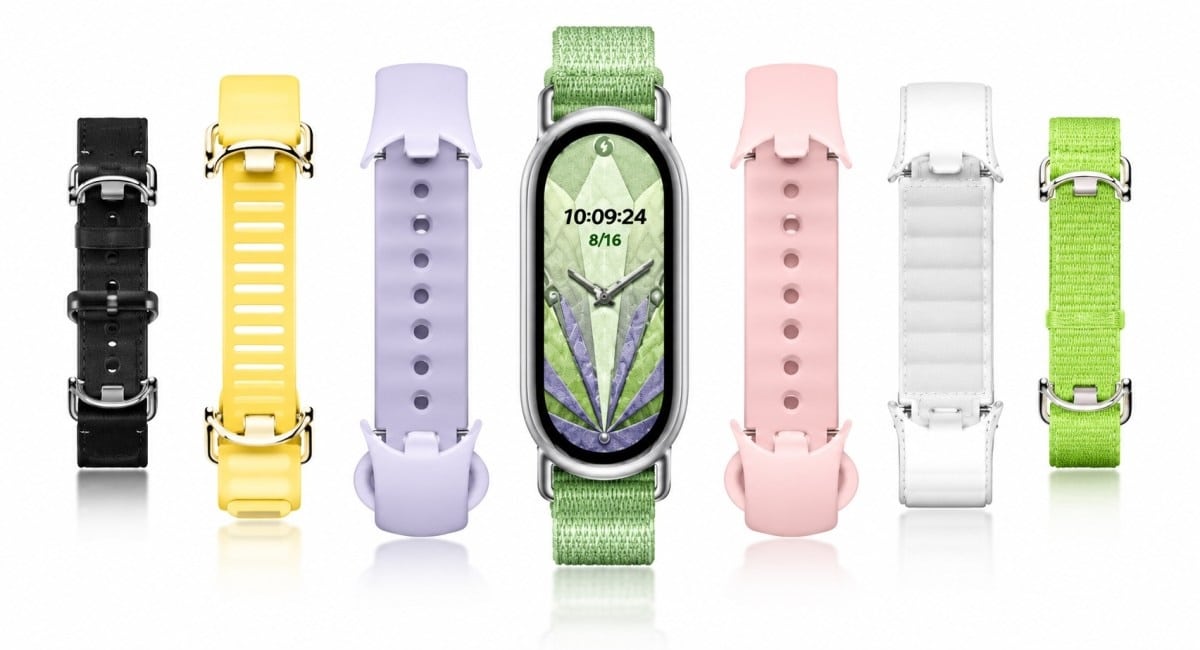
The actual body has also become slimmer. Smart Band 11 is 9.99 mm thick and starts at 15.58 grams, compared with 10.95 mm and 15.95 grams for the standard Smart Band 10.
That weight difference is basically irrelevant, but losing almost a millimetre of thickness is more useful. These bands are already tiny, and having one sit a little flatter should help during sleep and generally make it disappear on the wrist.
Xiaomi has also expanded the choice of finishes. Alongside the regular version and Ceramic Edition, Smart Band 11 now gets an All-metal Edition with a unibody aluminium construction, giving the range a slightly more watch-like option.
I spent quite a bit of time with the previous generation in my Xiaomi Smart Band 10 review, and its size was never really a problem. So the design changes here are refinement rather than something you will immediately notice from across the room.

Main specs comparison
Sleep HRV is the upgrade most people will notice
There are some interesting changes on the health side. Smart Band 11 adds HRV tracking during sleep, filling one of the more obvious gaps in the previous model.
That omission stood out when I reviewed Band 10 because Xiaomi was already tracking heart rate, stress, SpO2 and a fairly detailed set of sleep metrics. HRV gives the software another useful signal for looking at recovery and how your readings change relative to your normal baseline.
Xiaomi is also pairing that with AI-based sleep interpretation and recommendations. That is more interesting than simply dropping an HRV number into Mi Fitness, although how useful it becomes will depend on what Xiaomi actually does with the data over several weeks.
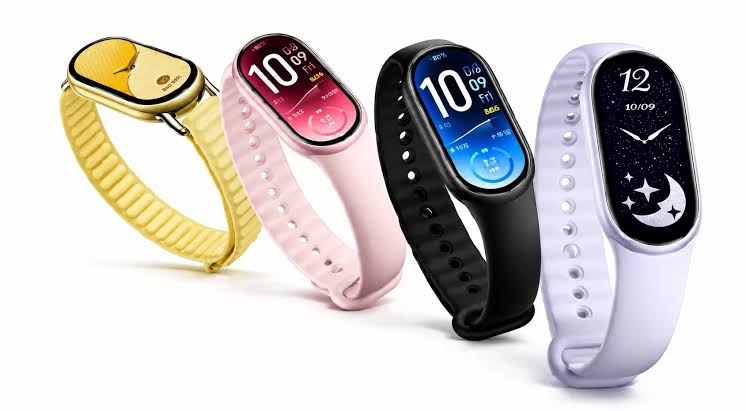
The optical sensor itself has been upgraded too. Xiaomi says Smart Band 11 uses a higher-precision sensor for heart rate and blood oxygen readings, although there are still no ECG, skin-temperature or EDA sensors on the standard model.
Band 10 already performed surprisingly well for me during exercise. In my testing against a Garmin and chest strap, average and maximum heart-rate readings were consistently very close, so the new sensor has a decent starting point rather than fixing something that was obviously bad.
Fitness tracking is mostly familiar
You still get more than 150 sports modes, 5 ATM water resistance, heart-rate broadcasting and the usual mix of activity, stress, sleep and blood-oxygen tracking. Xiaomi has not suddenly turned the regular Smart Band into a miniature sports watch.
The biggest omission is still built-in GPS. Both Smart Band 11 and Smart Band 10 rely on connected GPS from your phone, so anyone who wants to leave the phone behind and record an outdoor route will need to move up to something like the Smart Band Pro line.
For most people buying this type of fitness band, that probably makes sense. Built-in GPS adds cost and power consumption, while plenty of users carry a phone anyway.
HyperOS 4 brings some less obvious changes
Smart Band 11 launches with Xiaomi HyperOS 4, and this is where some of the quieter differences appear. Xiaomi is pushing deeper integration with its wider ecosystem, including Xiaomi Home controls and better interaction with other Xiaomi devices.
There is also stronger support for Apple users. Xiaomi advertises dual-device notifications involving Android and iPhone, plus Apple Shortcuts integration, which makes the Band 11 a little less tied to Xiaomi’s own ecosystem than you might expect.
That is not necessarily a reason to upgrade on its own, but it does make the new model more flexible. Smart Band 10 already worked with Android and iOS, while Band 11 appears to be putting more effort into what happens once you actually pair it with an iPhone.
The NFC version also continues as a separate model, with payments, access cards and other features depending heavily on region. Xiaomi’s Chinese feature list is much broader than what normally makes it to international models, so I would not buy one based on Chinese NFC features unless Xiaomi confirms support in your market.
Battery life basically does not move
Xiaomi has kept the same 233 mAh battery capacity used by Smart Band 10. The headline battery claim also stays at up to 21 days, while charging takes around an hour.
That might look disappointing until you consider the brighter display and thinner body. Xiaomi has managed to increase peak brightness by a third and shave almost a millimetre from the casing without giving up the long battery life that remains one of the main reasons to buy a Smart Band.
With Band 10, I found battery drain modest even with frequent heart-rate sampling, sleep tracking and workouts enabled. Xiaomi’s maximum figures are obviously based on lighter usage, but this is still a very different charging experience from a smartwatch that needs attention every couple of days.
There is no obvious reason to upgrade for battery life alone. The two generations are effectively tied here.
This is a fairly classic Xiaomi Smart Band update. Nothing has been ripped up and started again, but enough things have changed to make the newer model a little better.
The 2,000-nit display is easier to justify than another increase in screen size, the slimmer case is welcome and sleep HRV fixes one of Band 10’s more annoying omissions. The upgraded optical sensor and HyperOS 4 changes add a bit more on top, while Xiaomi has kept the same 21-day battery claim.
If you already own Smart Band 10, I would probably stay put unless HRV matters to you or you specifically want the brighter, thinner model. Band 10 remains an excellent cheap tracker, and none of the Band 11 additions fundamentally changes what the device can do.
For everyone else, Smart Band 11 is the obvious choice if pricing is close. The improvements are modest individually, but together they make it the more complete version of Xiaomi’s familiar fitness band formula.
Don’t miss the latest from Gadgets & Wearables
Subscribe to our monthly newsletter and check out our YouTube channel.
You can also follow Gadgets & Wearables on Google News and add us as a preferred source in Google Search.

