

Honor Watch 6 review: Plenty to like, especially if battery life comes first

The Honor Watch 6 gets a lot right. It is actually one of the better-looking watches I have tested, the AMOLED screen is excellent and its health and fitness tracking covers the essentials without making the app difficult to navigate.
It is easy to live with too. The interface is quick, calls and notifications work well and the 46.5mm case fits comfortably even on my small wrist. Battery life is also one of its strong points.
Running accuracy was better than expected, with distance, heart rate and cadence coming very close to a Garmin worn on my other wrist. GPS can take longer to connect, and the software still has a few rough edges, including occasional iPhone connection problems.
The Watch 6 does not have a proper third-party app store or the training depth of a Garmin, but that will not bother everyone. For someone who wants a good-looking watch, a bright screen, useful health tracking and long battery life, it offers a strong everyday package.
View Honor Watch 6 on Honor’s website.
Jump to
Design and comfort
The Honor Watch 6 is a big watch, but it does not feel especially bulky on the wrist. The 46.5mm case sounds huge on paper, yet the relatively slim 10.8mm body helps keep it under control.
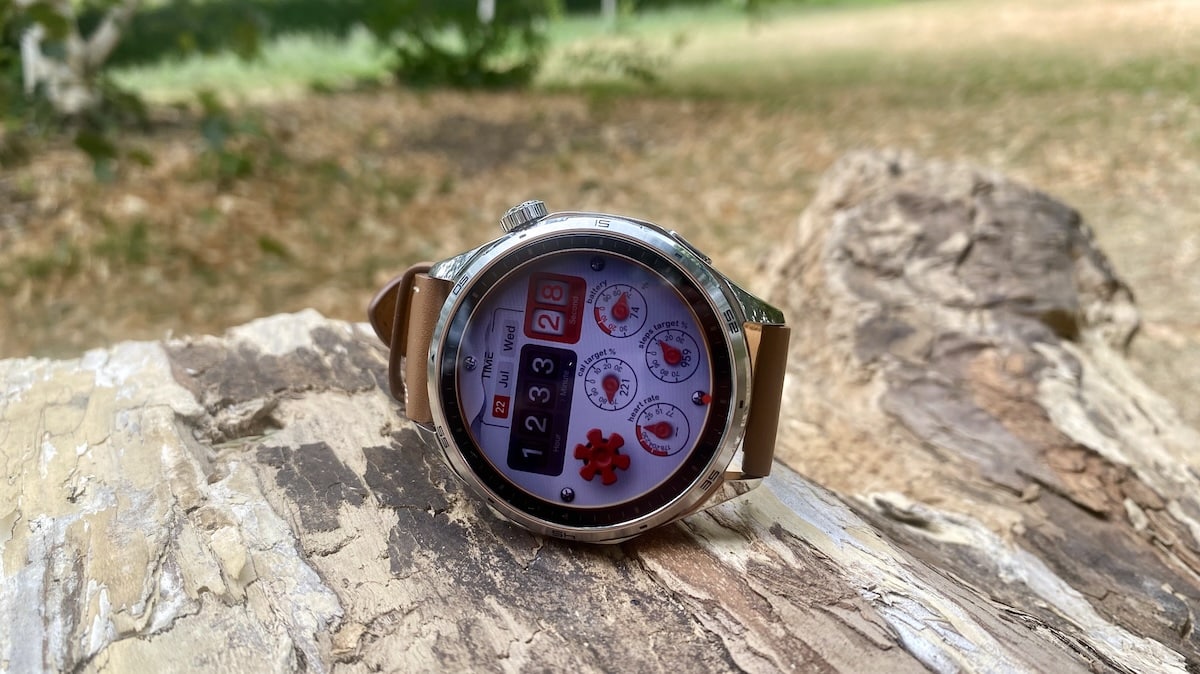
Honor sells it in two versions. Shadow Black comes with a black fluoroelastomer strap, while Twilight Brown pairs a silver case with a brown leather strap. I have the Twilight Brown model, and it is one of the better-looking watches I have worn recently. The silver case and brown strap work well together.

Using it is straightforward. The rotating crown lets you move quickly through menus, while the flat button underneath takes you straight into workouts. Both respond instantly, and the touchscreen feels just as quick. I never found myself waiting for the interface to catch up.
The 1.46-inch AMOLED screen is another strong point. It is bright, sharp and easy to read outside thanks to a peak 3000 nits of brightness. I normally need glasses, but I could still check my running stats mid-run without them. The large display helps, but Honor also makes good use of the space.
The screen also stays cleaner than most. Some watches pick up fingerprints almost as soon as you touch them, but that has not been much of an issue here. It sounds like a small thing, but it helps the watch keep its good looks.
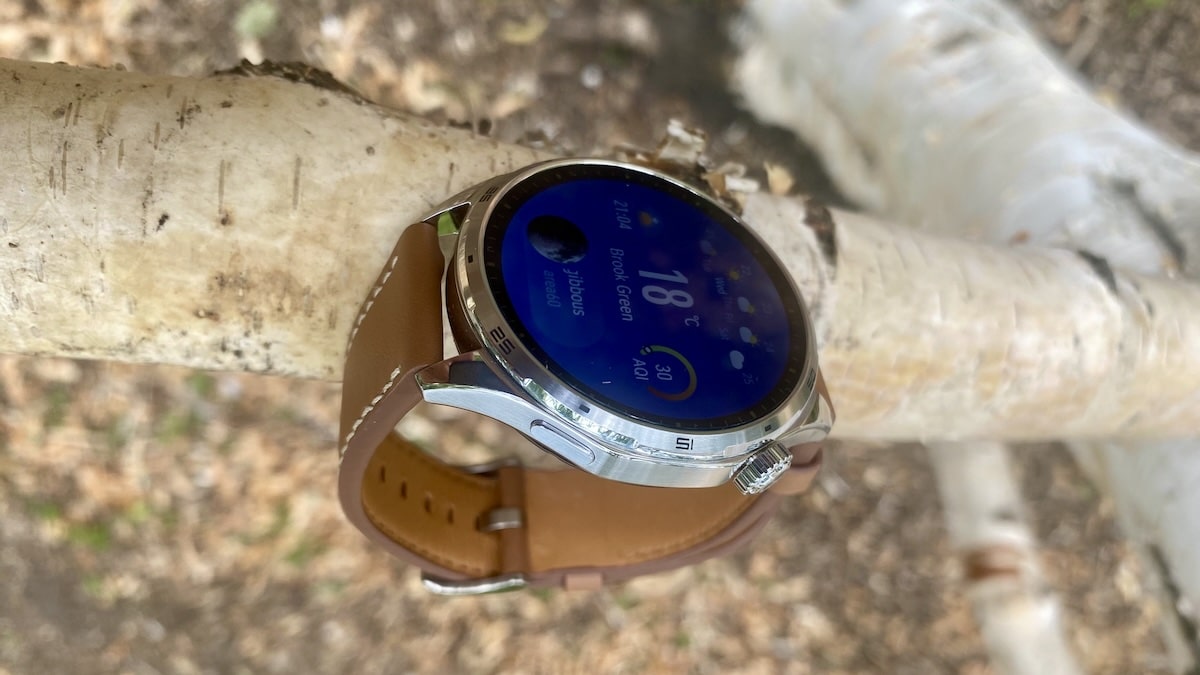
The leather strap is soft enough for all-day and overnight wear, although I am not convinced it feels quite as high-end as the rest of the watch. I tighten it for runs so the watch stays put, although silicone is the better option for running and swimming. The quick-release pins make changing straps easy.
Worth noting – there is only one case size, but I would not automatically rule it out if you have a smaller wrist. It works fine on mine, and the slim profile keeps it from feeling awkward. Overall, the Watch 6 has been comfortable to wear and is easily one of the nicer-looking models I have tested lately.
Under the hood
Under the hood, Honor has focused on the parts that affect everyday use. But it’s not trying to turn the Watch 6 into a miniature phone.
The dual-band GPS is important for anyone planning to use the watch for running or cycling. It supports both L1 and L5 frequencies, along with GPS, Galileo, GLONASS, BeiDou, QZSS and NavIC. That gives it the right tools for dealing with tree cover, tall buildings and other places where cheaper GPS setups often start to wander.
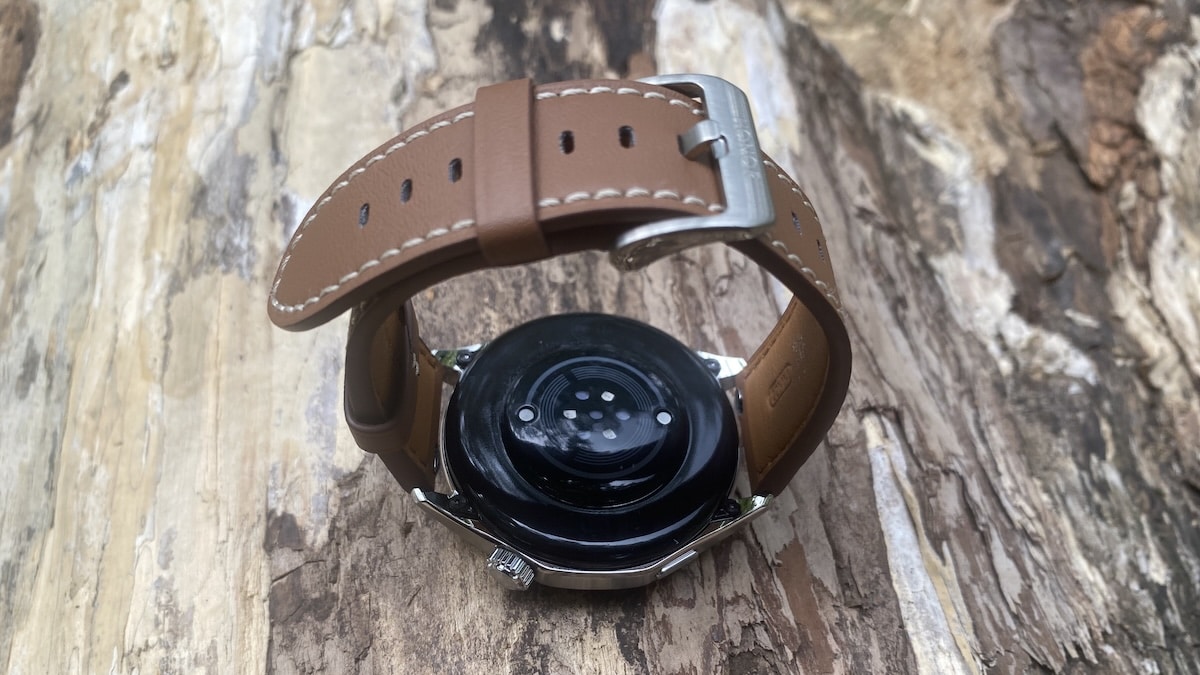
Honor does not reveal the processor or memory, but the watch never feels underpowered. Menus open quickly, scrolling is smooth and moving between widgets or workout screens does not bring any obvious hesitation. That matters more here than a processor name most buyers would never recognise.
The sensor lineup covers optical heart rate, blood oxygen, movement, direction, altitude and ambient light. These feed into the usual mix of sleep, stress, activity and workout tracking. There is no ECG or temperature sensor, so the Watch 6 does not try to compete with more expensive health-focused models on every front.
You also get a microphone and speaker for Bluetooth calls, NFC, Bluetooth 5.4 and 4GB of storage. Music can be stored locally, but there is no streaming support or proper third-party app store. Android and iPhone compatibility is broad, although features such as payments and notification replies can still vary by region and handset.
Battery life
Battery life is one of the main reasons to consider the Honor Watch 6. Honor has managed to squeeze a 980mAh battery into a relatively slim case, which gives the watch far more breathing room than most mainstream smartwatches.
The headline figure is up to 35 days, but that comes from Honor’s stripped-back long-endurance mode. The more relevant claim is up to 17 days with standard use, while continuous outdoor GPS tracking is rated at up to 42 hours. As always, features such as the always-on display, continuous health monitoring, calls and regular GPS workouts will pull that figure down.
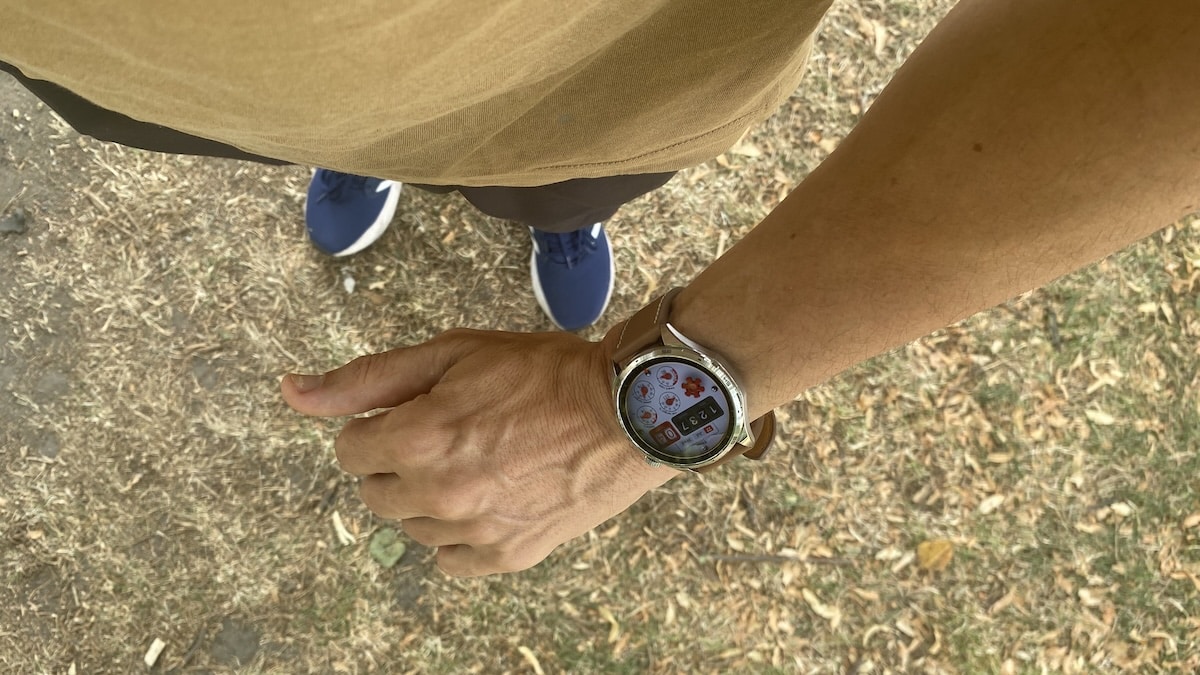
I have been using the watch with all the bells and whistles switched on, along with regular notifications and workout tracking. It has been 10 days since my initial charge and the watch is still going strong. So the battery claims seem reasonable.
What is clear is that the Watch 6 does not create the usual battery anxiety. You can wear it overnight, track several workouts and leave the charger behind for a trip without watching the percentage every few hours.
Health and fitness features
Honor covers the basics well. Heart rate, blood oxygen, stress, HRV, steps and sleep are all tracked, and there is a quick health scan when you want several readings in one go. You also get a morning report that pulls together the previous day and night without making you dig through the app.
The Honor Health app is easy to get around. The main Health screen gives you a quick look at your latest numbers, and tapping on any of them opens the longer-term view. You can switch between daily, weekly, monthly and yearly data.


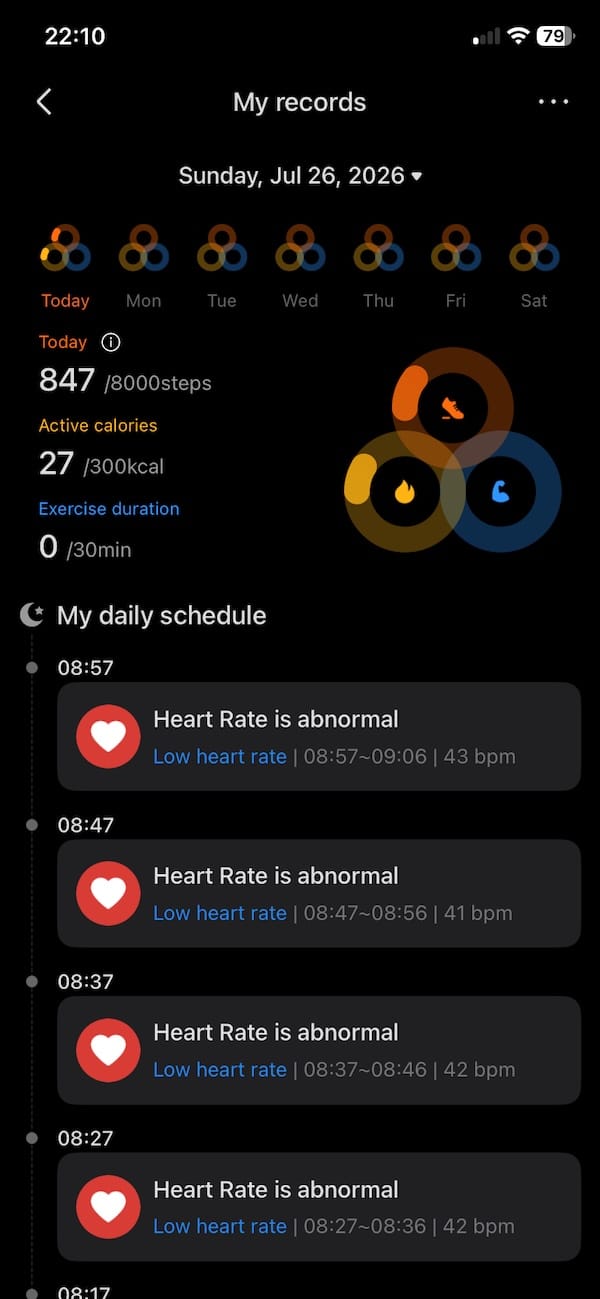


Accuracy has been reasonable in my testing. Nothing jumped out as obviously wrong, and the results were consistent enough for keeping an eye on general trends. Other reviewers have had more mixed results, particularly with the step counter, which sometimes ran high.
The watch also turns some of that data into broader fitness estimates. My VO2 max came out at 45 ml/kg/min, while Honor put my fitness age at 47, nine years below my actual age. The app even labelled both results as “Professional”, which is flattering, although probably best taken with a pinch of salt.
Body Energy works along similar lines, combining heart rate, HRV, sleep and stress into a single estimate of how much you have in the tank. It is a handy number to glance at, although Honor does not make it the centre of the experience.
The watch does track HRV, but there is no separate screen where you can view the readings. Instead, Honor folds the data into the Body Energy score, which feels like a missed opportunity if you like keeping an eye on HRV trends.
Sleep tracking covers overall duration, deep sleep, light sleep, REM and time awake. I found it easy to wear the watch overnight, and the results looked reasonable. Nap detection can be a bit hit and miss, though.
There are limits. The Watch 6 does not have ECG or skin temperature tracking, while the blood pressure trend feature available in some regions is not offered in Europe. I would have liked to see that included.
Still, the everyday health package does not feel stripped back. The main features are here, the app is simple to use and the accuracy has been good enough for day-to-day tracking.
Sports tracking
There are 122 sports modes, so finding the activity you want is not a problem. Starting a workout is quick too, especially with the lower button taking you straight to the exercise menu. The large screen also helps while you are moving, as the key numbers are easy to read at a glance.
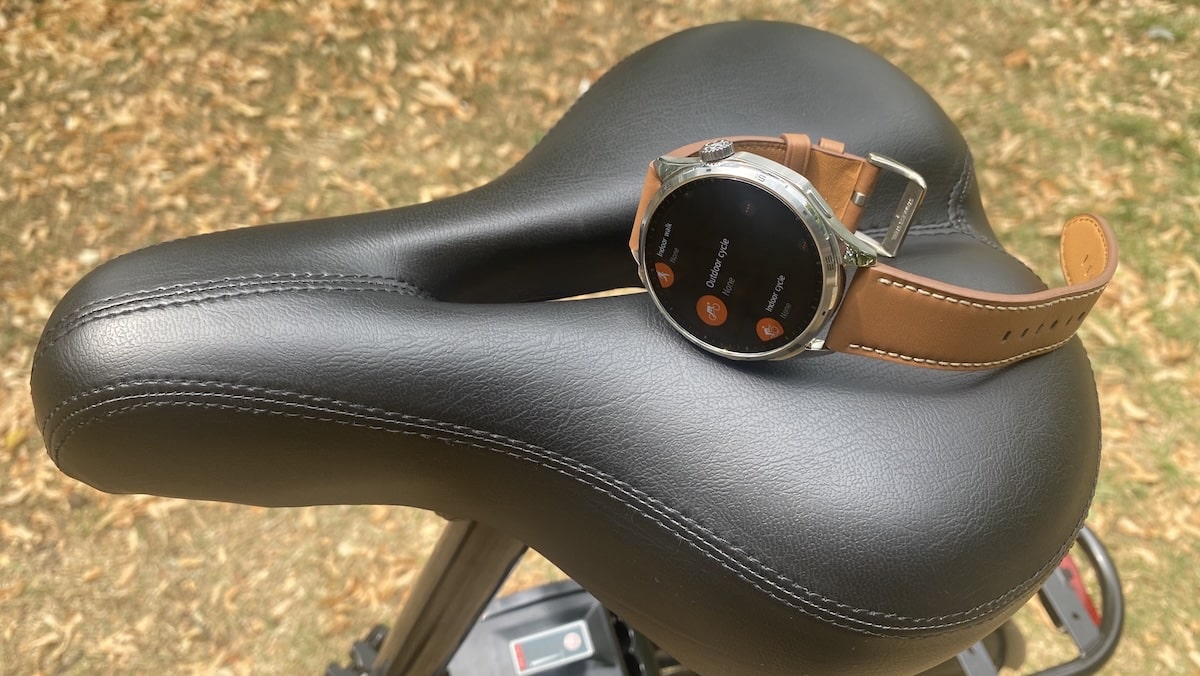
Not every mode goes particularly deep. Running gets far more attention, while plenty of the others mainly track time, heart rate and calories. Once you finish, the Honor Health app does a good job of laying everything out without making it feel messy. It is more than enough for everyday exercise, although serious training tools are not really what this watch is about.
I did several runs with the Honor Watch 6 on one wrist and a Garmin on the other in Central London. This 29 minute 49 second run is a good example of the results I was seeing.
Honor measured 5.09km, while Garmin came in at 5.01km. That gave me an average pace of 5:51 per kilometre on the Honor and 5:57 on the Garmin. The Honor was around 1.6% longer, which is a small enough difference for general running through a heavily built-up area.


The other basic numbers lined up very well. Both watches recorded an average heart rate of 133 bpm, with maximum readings of 155 bpm on Honor and 154 bpm on Garmin. This was in line with a Frontier X chest strap I wore for the same run.
Average cadence was identical at 176 steps per minute, while the maximum was 186 on Honor and 189 on Garmin. Stride length was also close at 97cm versus 95cm, with the small difference matching Honor’s slightly longer distance.


Calories were reasonably close too. Honor estimated 403 calories, compared with 375 total calories from Garmin. The altitude readings were less convincing. Honor showed a range from 9.5 to 14.4 metres, while Garmin ranged from minus 11 to 14 metres and calculated 33 metres of ascent. This was a fairly flat London run, so I would not put much weight on either watch’s elevation totals here.
Both apps provide plenty of extra information after a run. Honor gave me aerobic training stress, recovery time, heart-rate and pace zones, kilometre splits and running-form estimates such as ground contact time, left-right balance and vertical movement. Garmin goes further with power, stamina, training load and more established running dynamics, but Honor still gives casual runners plenty to look through.
The training estimates did not match particularly closely. Honor rated the session at 2.1 for aerobic stress and suggested 14 hours of recovery, while Garmin gave it a 3.4 aerobic training effect and classified it as a base run. That is not necessarily a problem, as the two companies use different algorithms, but it shows why these scores are better used for trends within one platform rather than compared directly.
The bigger issue is getting started. Garmin usually found GPS first, while the Honor could take noticeably longer. In built-up parts of London, it occasionally needed a few minutes to lock on. Once connected, though, the Honor Watch 6 produced distance, pace, heart-rate and cadence figures that were impressively close to the Garmin.
Smartwatch features
The Watch 6 runs Honor’s MagicOS, but it feels more like a fitness watch with a few smart extras than a full smartwatch platform. There is no app store, so you cannot add Spotify, Google Maps or other third-party services later. What you get out of the box is broadly what you are going to have.
That did not bother me much in everyday use. The interface is quick, the rotating crown makes getting around easy and notifications are clear on the large screen. They are grouped by app and show enough of each message to tell whether it is worth reaching for the phone.
Calls have also worked well. The speaker is surprisingly loud, and voices come through clearly at both ends, even in noisier surroundings. You can also control music and use the usual alarms, timers and weather tools.
I noticed some rough edges, though, when the watch starts talking to the phone. I tested it with an iPhone and the Honor Health app would occasionally lose its connection. The watch was still listed in Bluetooth, but I had to open the iPhone settings and tap it before the app would reconnect. It did not happen constantly, but it happened often enough to become annoying.
Honor Health was also very persistent about getting access to my contacts. I did not want to allow it, but the request kept returning and there was no obvious way to dismiss it permanently. These feel more like annoying software quirks than major problems, and hopefully Honor will clear them up in future updates.
All things considered, for everyday use, the Watch 6 still covers the main smartwatch features well. The interface is quick, notifications are easy to read and calls work directly from the wrist. It does not offer the same app selection as an Apple Watch or Wear OS model, but not everyone needs that level of depth.
View Honor Watch 6 on Honor’s website.
Don’t miss the latest from Gadgets & Wearables
Subscribe to our monthly newsletter and check out our YouTube channel.
You can also follow Gadgets & Wearables on Google News and add us as a preferred source in Google Search.

