

Lumysi’s jewellery-style fitness tracker finds a big Kickstarter audience

Lumysi has taken a fairly simple idea, hide a screenless health tracker inside something that looks like jewellery, and found a surprisingly large audience for it. Its Kickstarter campaign has raised $528,913 so far from more than 2,500 backers, smashing the original $10,000 target by more than 50 times.
A fitness tracker that doesn’t really look like one
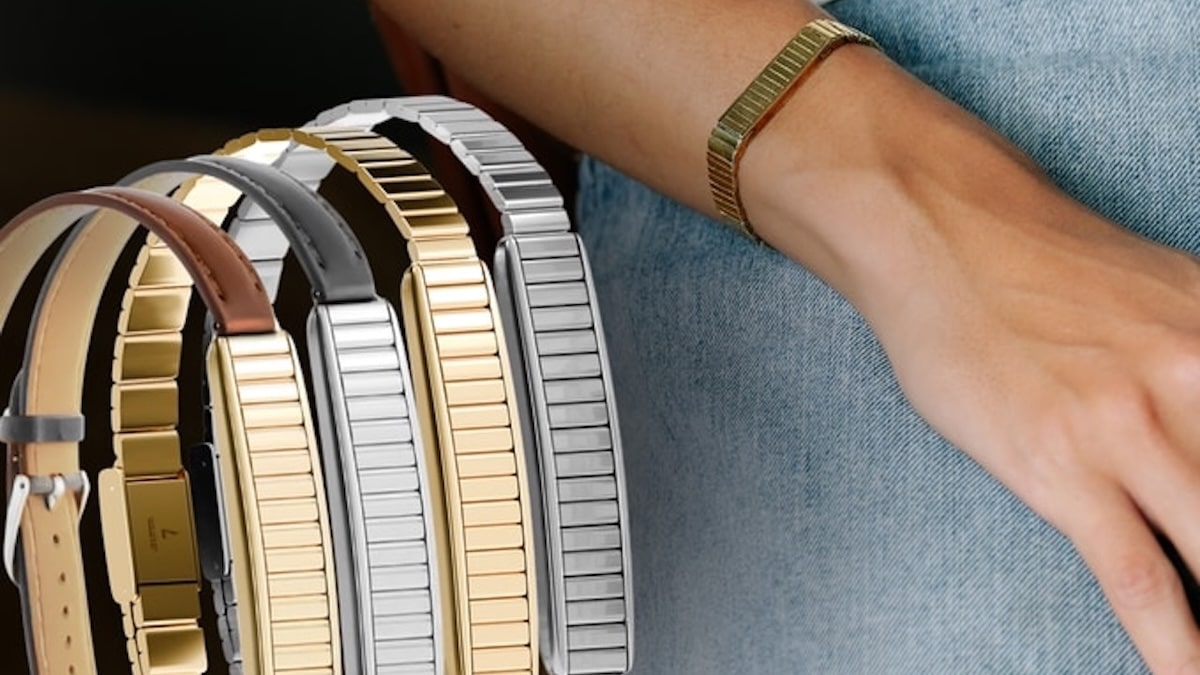
Lumysi sits in the increasingly busy screenless fitness tracker category, but visually it goes in a completely different direction. Instead of looking like WHOOP, Garmin CIRQA or Fitbit Air, the tracker sits inside a slim titanium bracelet designed to look more like conventional jewellery.
That distinction probably explains a good chunk of the Kickstarter success. Screenless health tracking is no longer unusual, but most devices still look like fitness equipment. Lumysi is aiming at people who want the data but don’t necessarily want to wear a nylon or silicone fitness band with everything.
The titanium body measures 31.7mm long and just 8.9mm wide. Different band options include stainless steel, leather and silicone, allowing the same tracker to shift between something more formal and something better suited to exercise. Lumysi also rates the bracelet at 5 ATM for water resistance.
There is deliberately no display, vibration motor or notification system. Everything happens quietly in the background, with the user opening the Lumysi app on iOS or Android when they actually want to look at the data.
The health tracking is familiar territory
Underneath the jewellery styling, the sensor package sounds much more conventional. Lumysi uses optical sensors with green, red and infrared LEDs, along with skin temperature and motion sensing. The company says readings update every 30 seconds.
Those sensors feed more than 30 health and wellness metrics covering areas such as heart rate, HRV, blood oxygen, sleep, recovery, stress, activity and women’s health. Continuous temperature tracking can also contribute to estimates of cycle stages and the likely timing of the next period.
Lumysi says that its PPG system uses the same general type of optical technology found in devices such as Apple Watch and WHOOP. But using similar sensor technology does not automatically produce similar accuracy. So only real-world tests will confirm accuracy.
Battery life is rated at up to seven days. Charging takes place through a portable charging case, which itself uses USB-C.

The price helped
Kickstarter pricing started at $179, compared with an expected retail price of $299. What’s more, Kickstarter backers were promised lifetime access to the Lumysi app without a subscription fee.
That is important in this category. One of the biggest arguments against WHOOP remains its recurring membership, while devices such as Garmin CIRQA take the opposite approach and continue working without a required subscription.
Lumysi’s regular retail model appears slightly less clear. Its own website says the hardware will remain a one-time purchase but that some advanced app features may eventually sit behind a premium tier. Kickstarter backers appear to have avoided that issue through the lifetime access included with their pledges.
Those who back the campaign now can expect a device at their doorstep in January 2027. That isn’t too far away for a new hardware product, so it will be worth watching whether Lumysi sticks to that timetable.
Price: $179 and up
Raised: $528,913 of $10,000 goal
Estimated delivery: January 2027
View on:

Don’t miss the latest from Gadgets & Wearables
Subscribe to our monthly newsletter and check out our YouTube channel.
You can also follow Gadgets & Wearables on Google News and add us as a preferred source in Google Search.

