

Suunto Run 2 vs Run: A much bigger upgrade than the name suggests
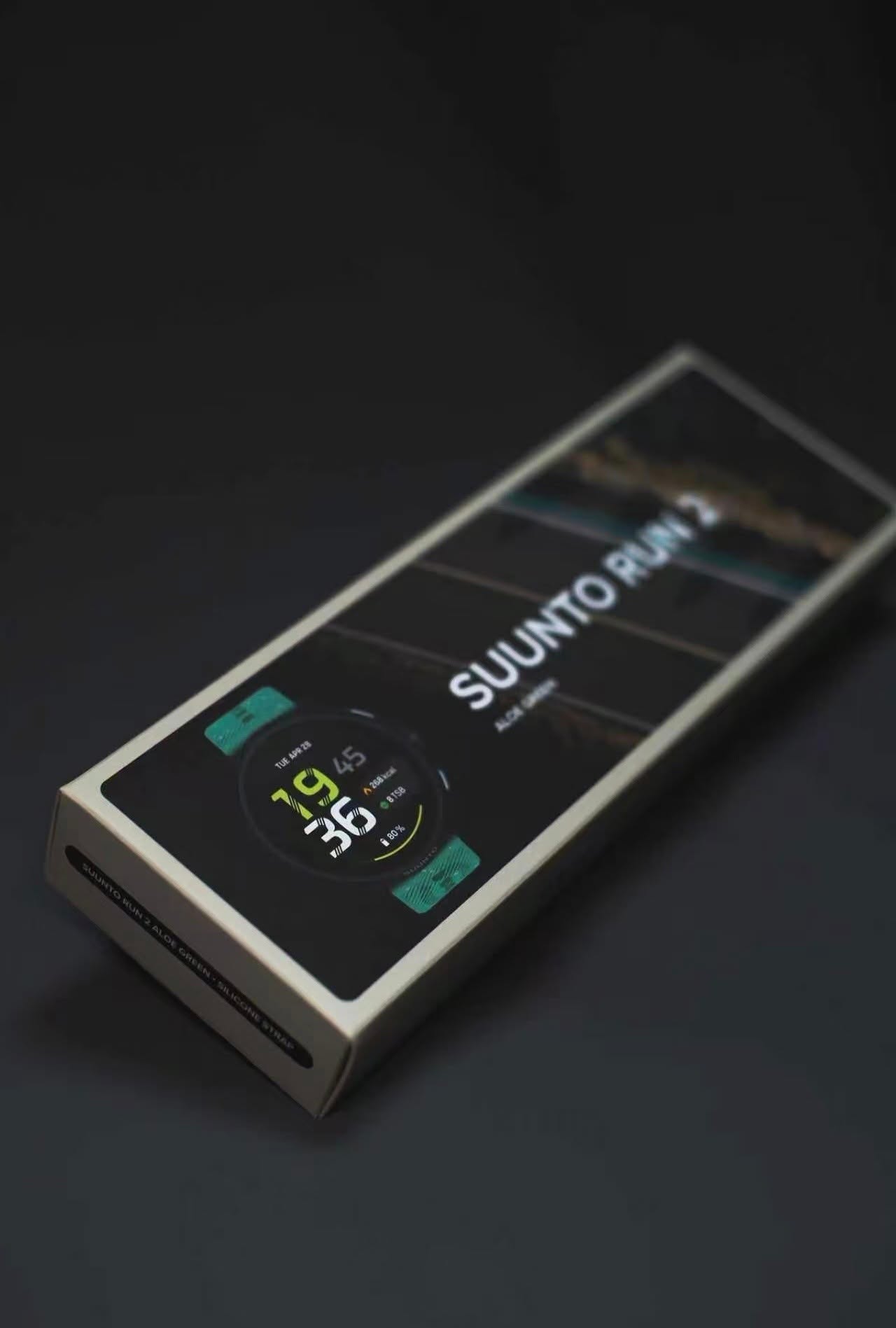
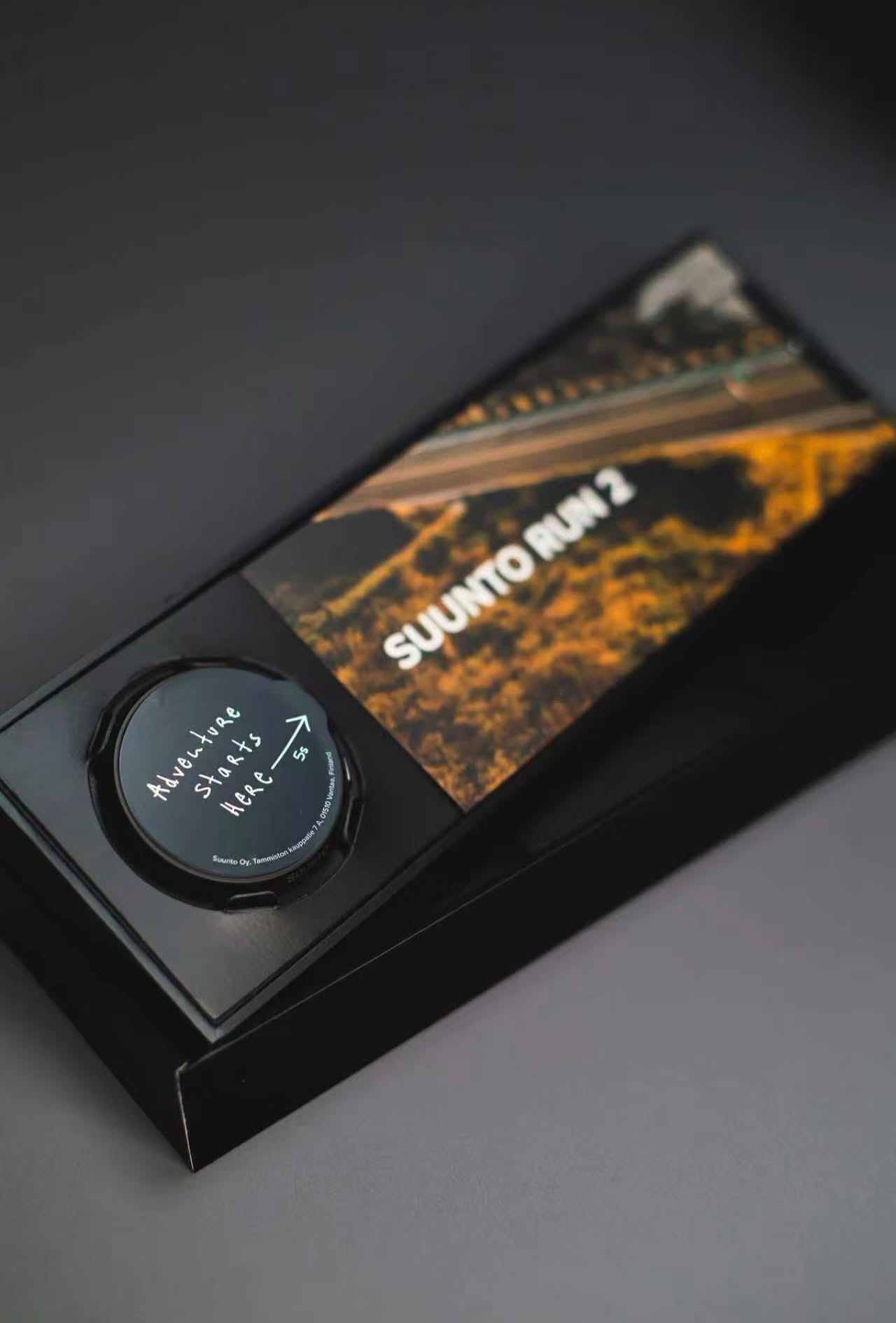
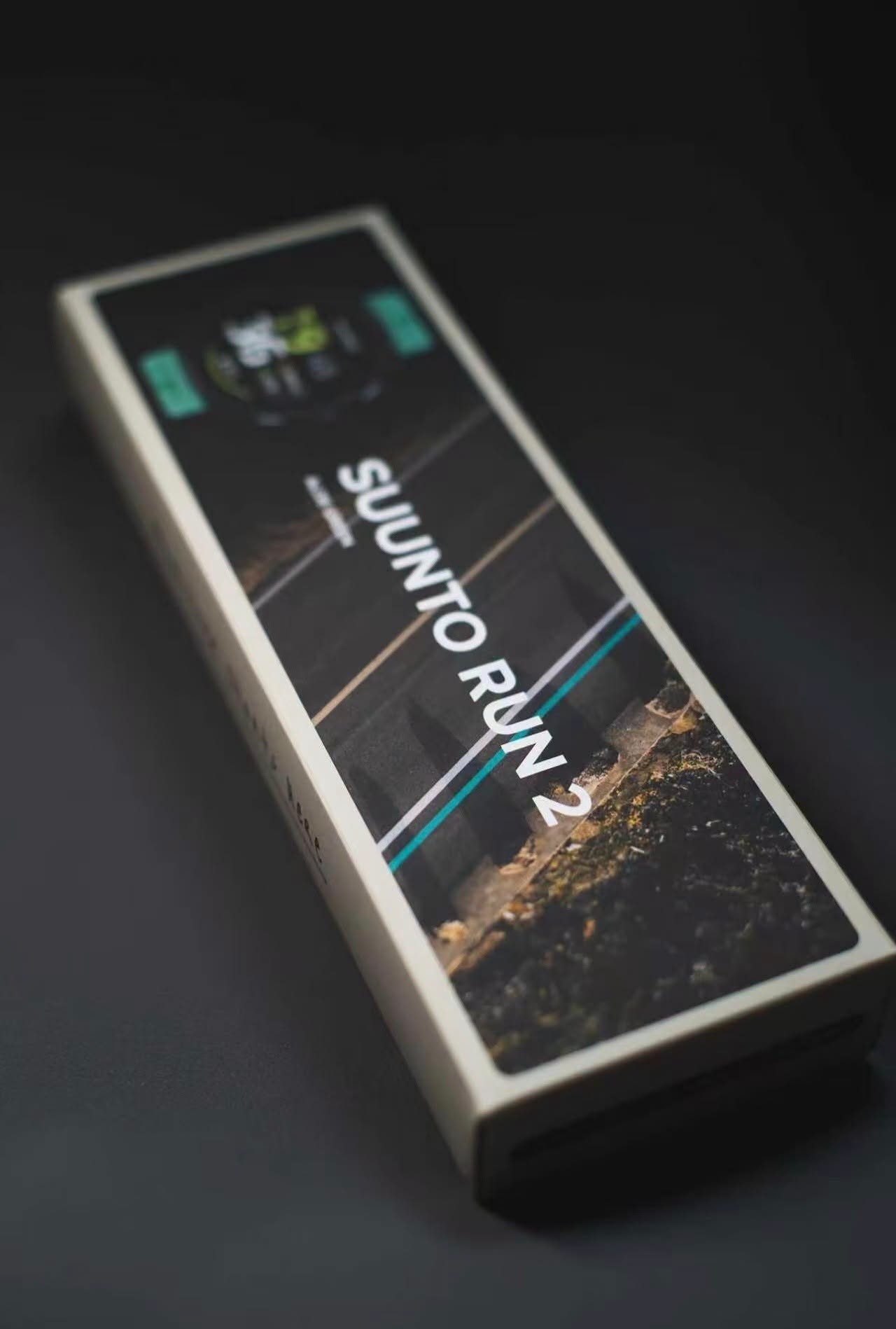
Suunto Run 2 is now live on the company’s website. It takes the original Run and fills in most of the gaps that kept it from feeling like a complete running watch. It is still ridiculously light at 35 grams, but now you get offline maps, a much brighter screen, a bigger battery, upgraded sensors and new tools such as EnergySense, Live Finish Prediction and Heat Strain Score.
The funny thing is that Suunto hasn’t really changed the basic idea. Run 2 is still small, light and clearly aimed at people who actually want to run with their watch rather than carry a miniature outdoor computer on their wrist. It just does a lot more now.
View on Suunto’s website.
The same lightweight design
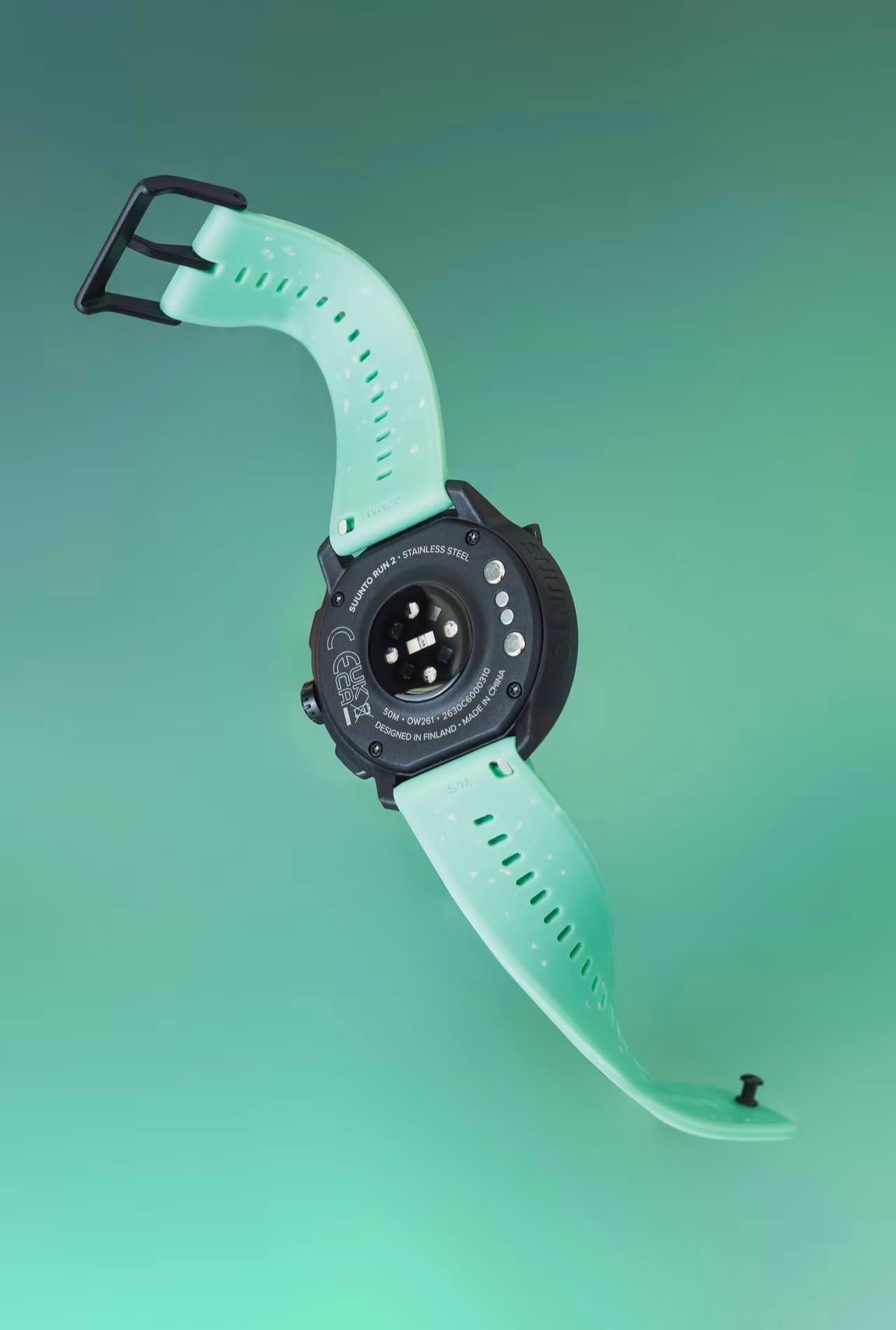
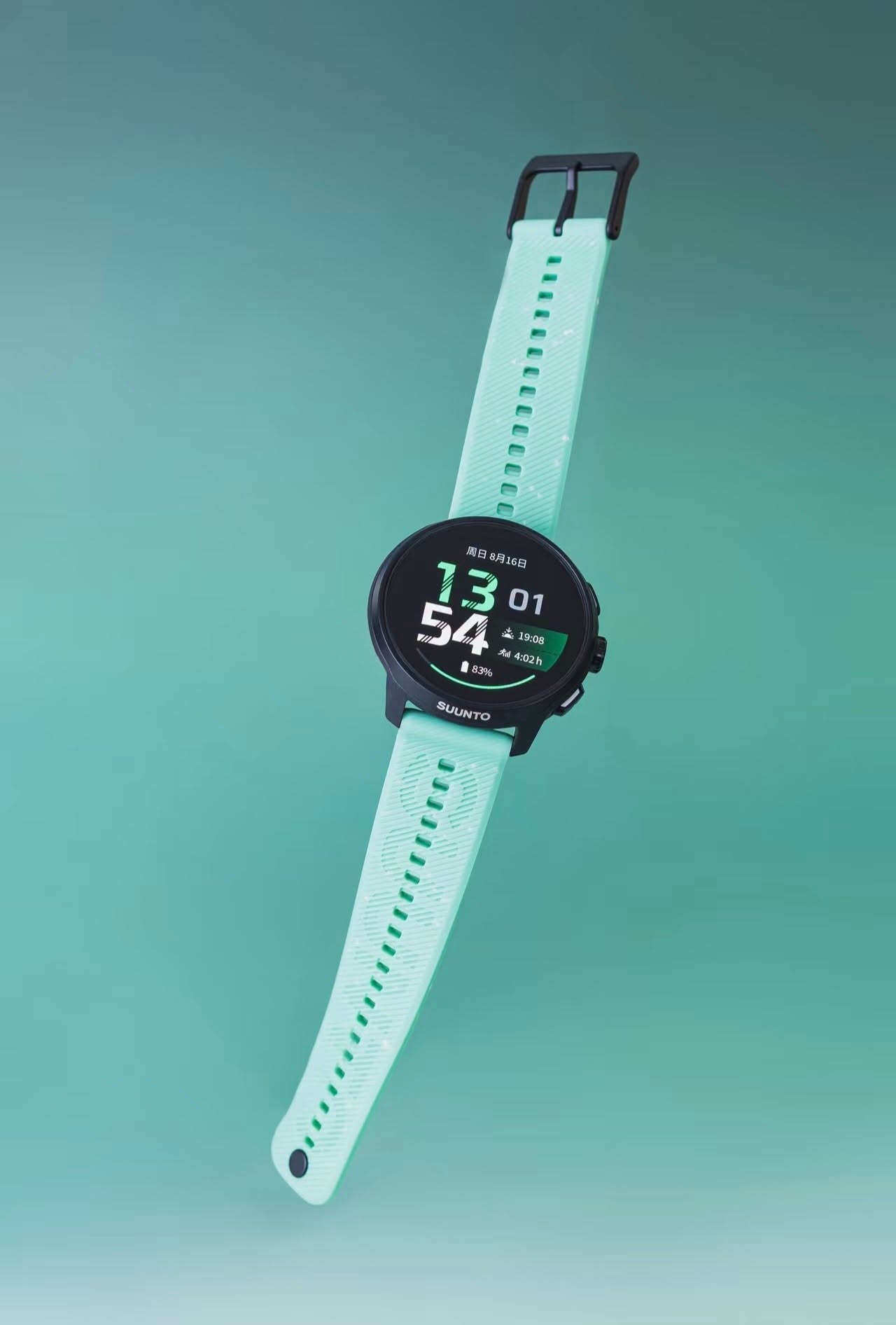
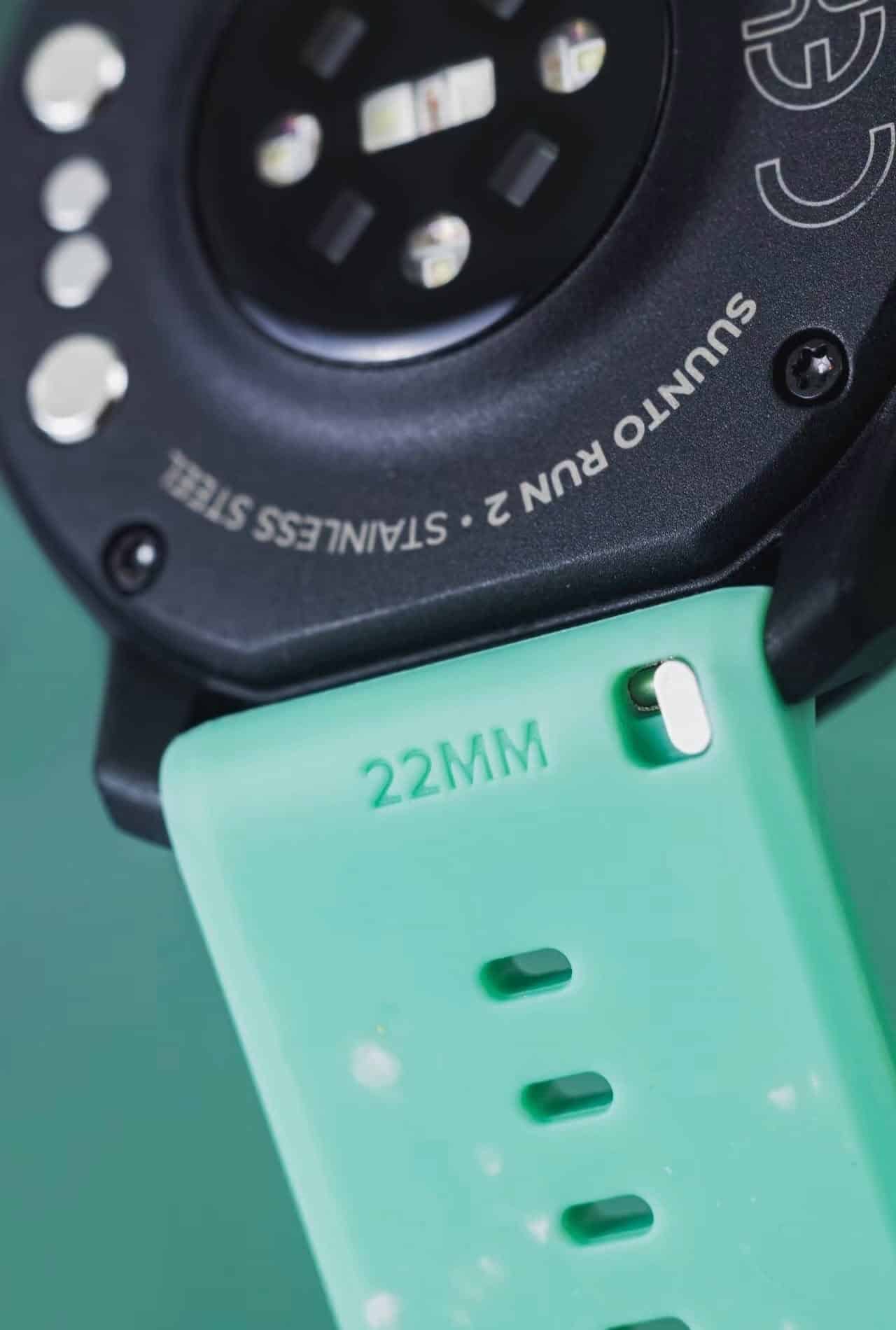
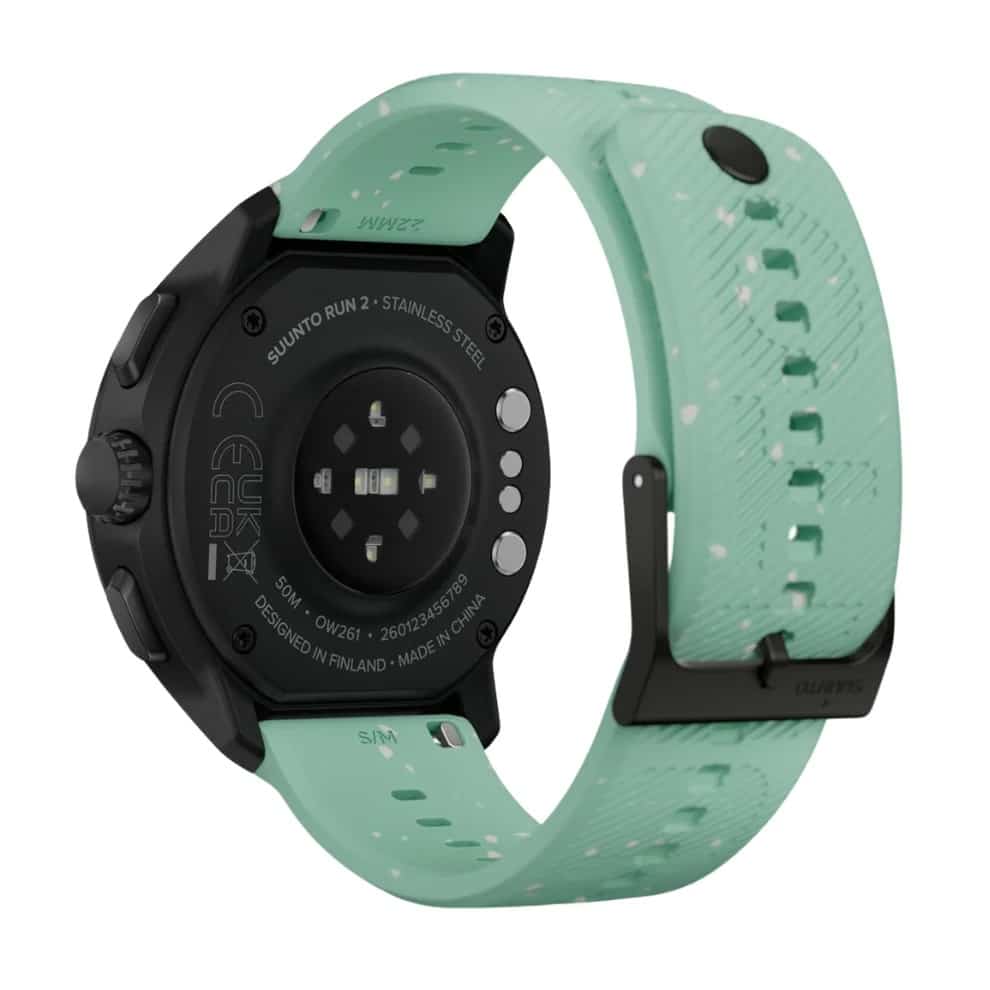
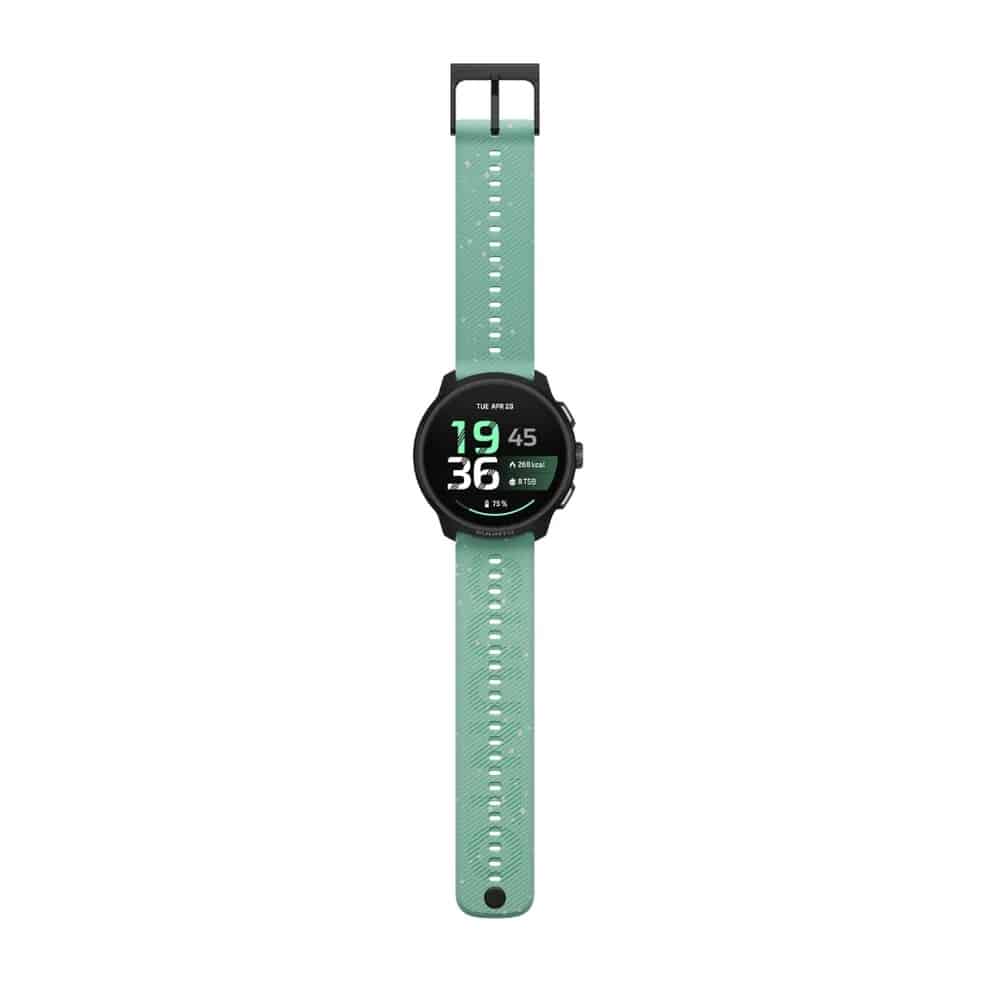
The Run 2 measures 46 x 46 x 11.7 mm, compared with 46 x 46 x 11.5 mm for the original Run. So despite all the extra hardware, Suunto has only added 0.2 mm to the thickness.
More importantly, the weight stays at just 35 grams. That is particularly impressive when you consider the bigger battery, offline mapping and upgraded sensors squeezed inside.
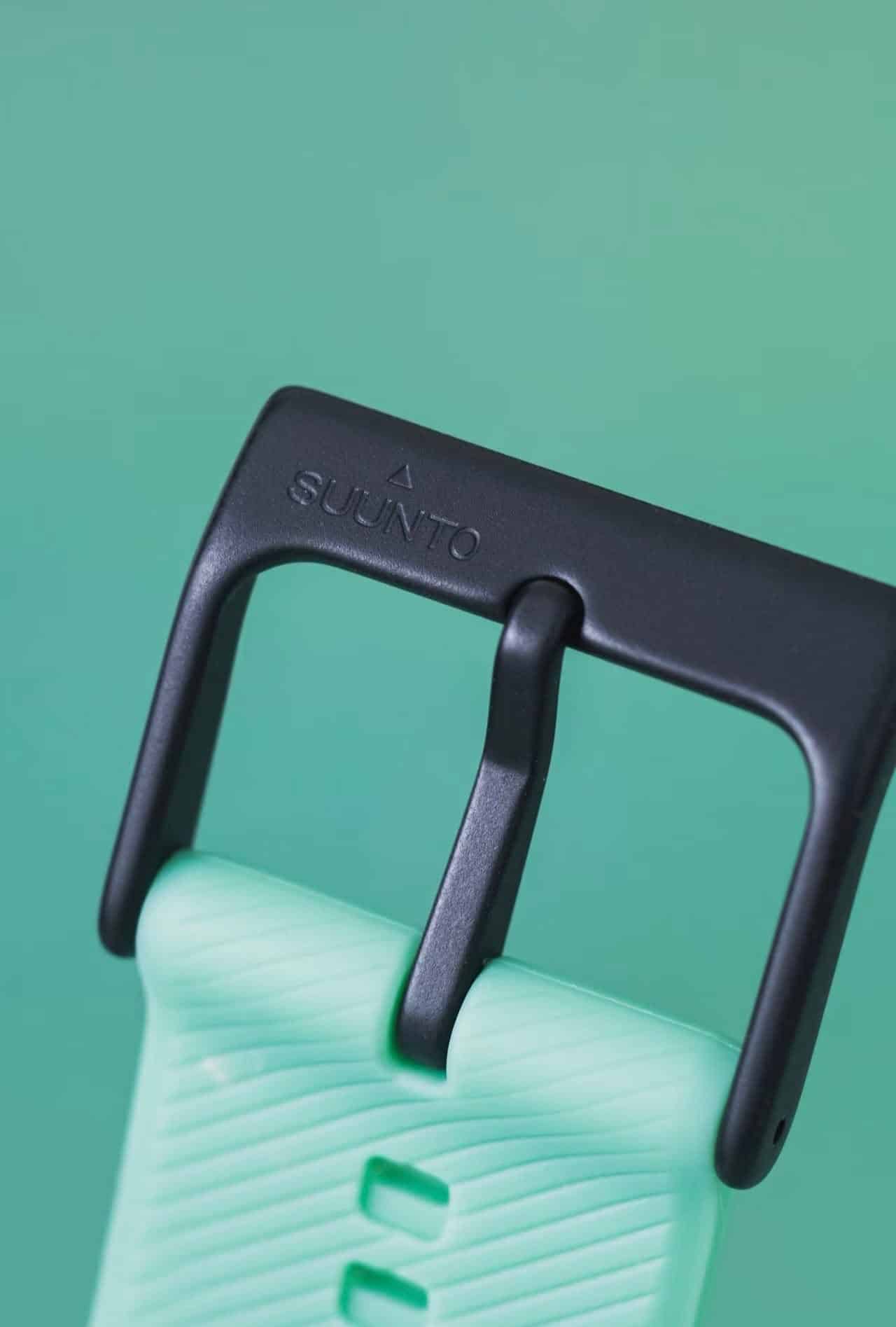
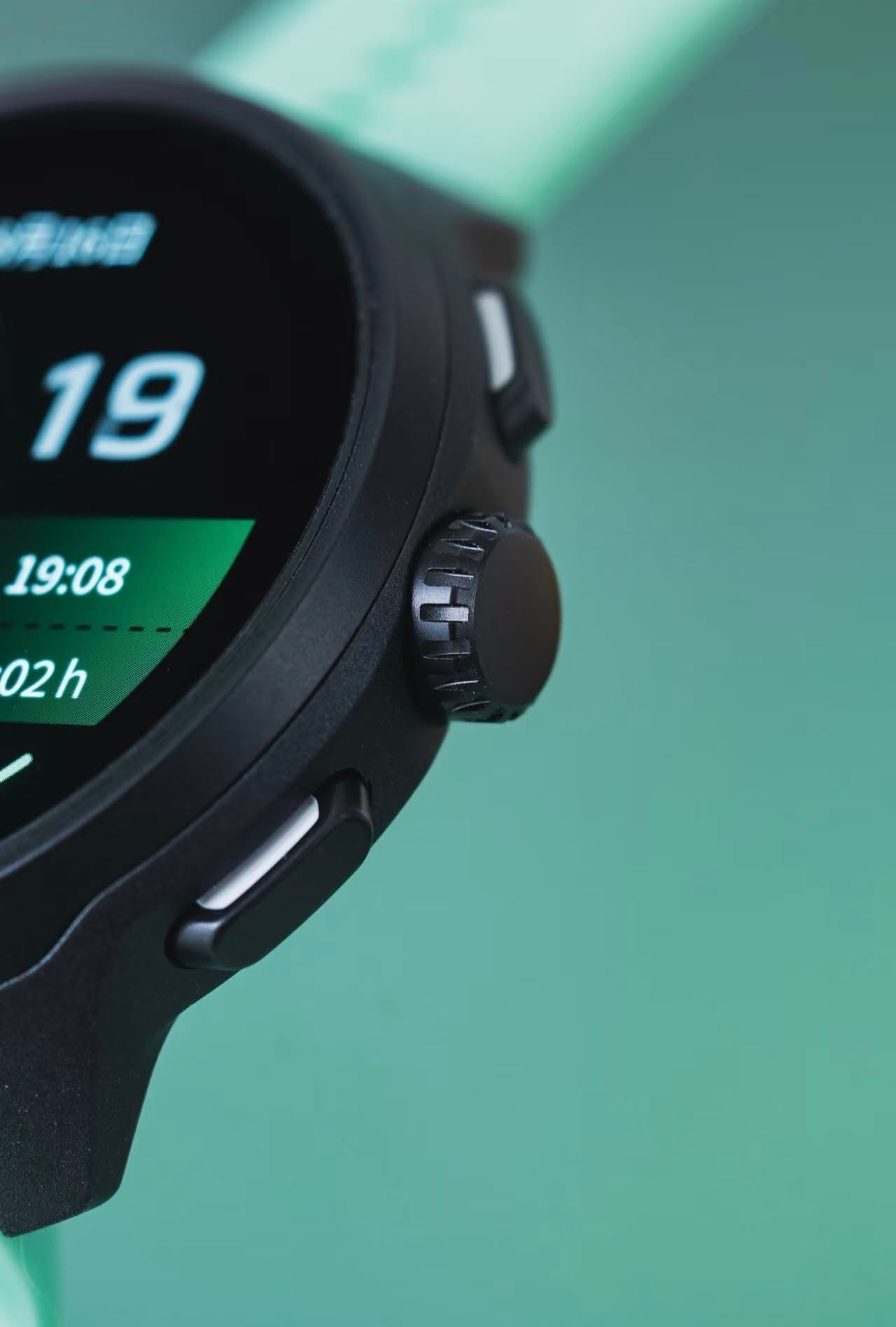
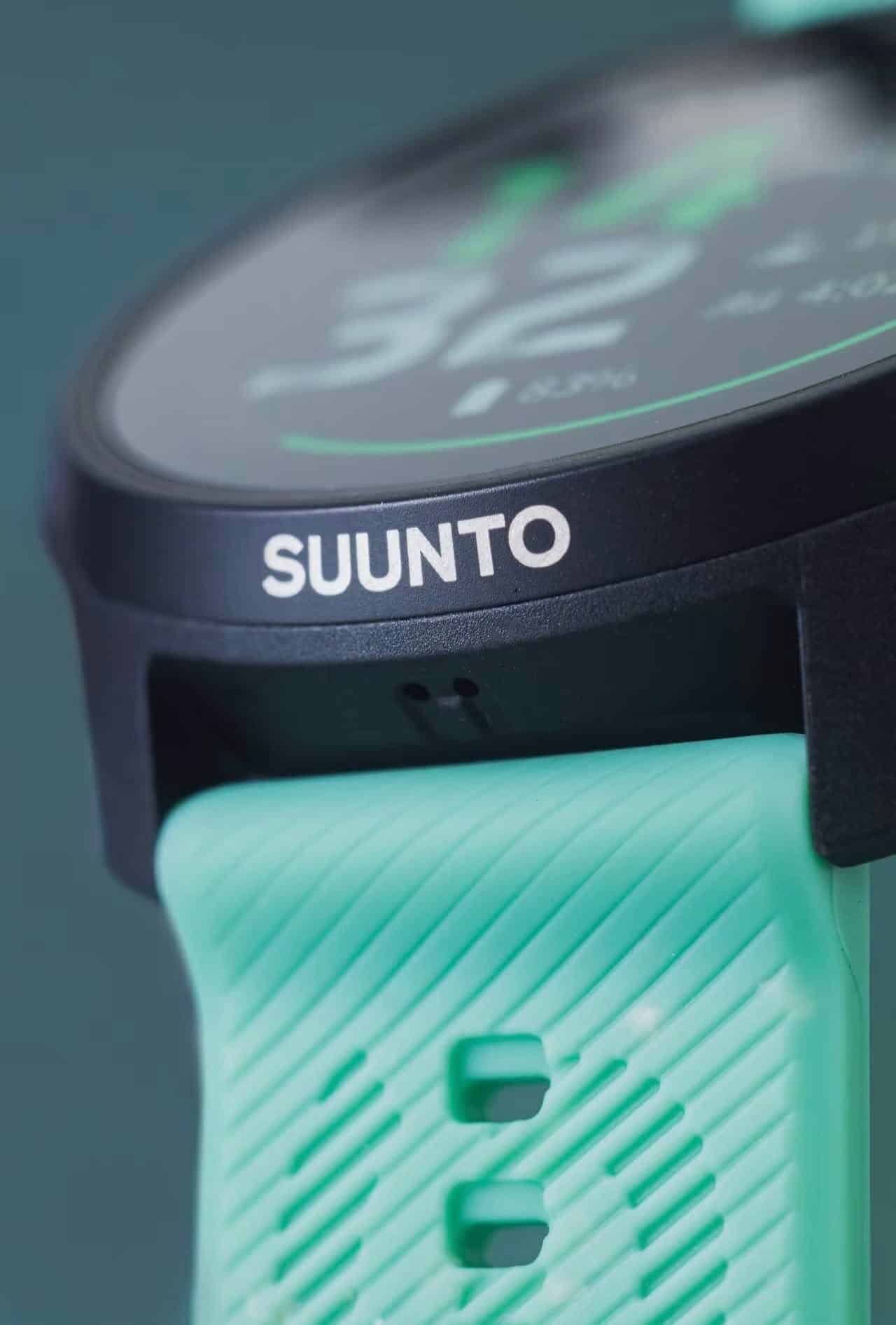
Construction remains pretty straightforward, with a stainless steel bezel, Gorilla Glass, a fiber-reinforced composite case and 5 ATM water resistance. Visually, Suunto has not tried to reinvent the watch either, and there was not much reason to.
The original Run was already one of the lighter options in this part of the market. Run 2 keeps that advantage instead of turning into another bulky outdoor watch.
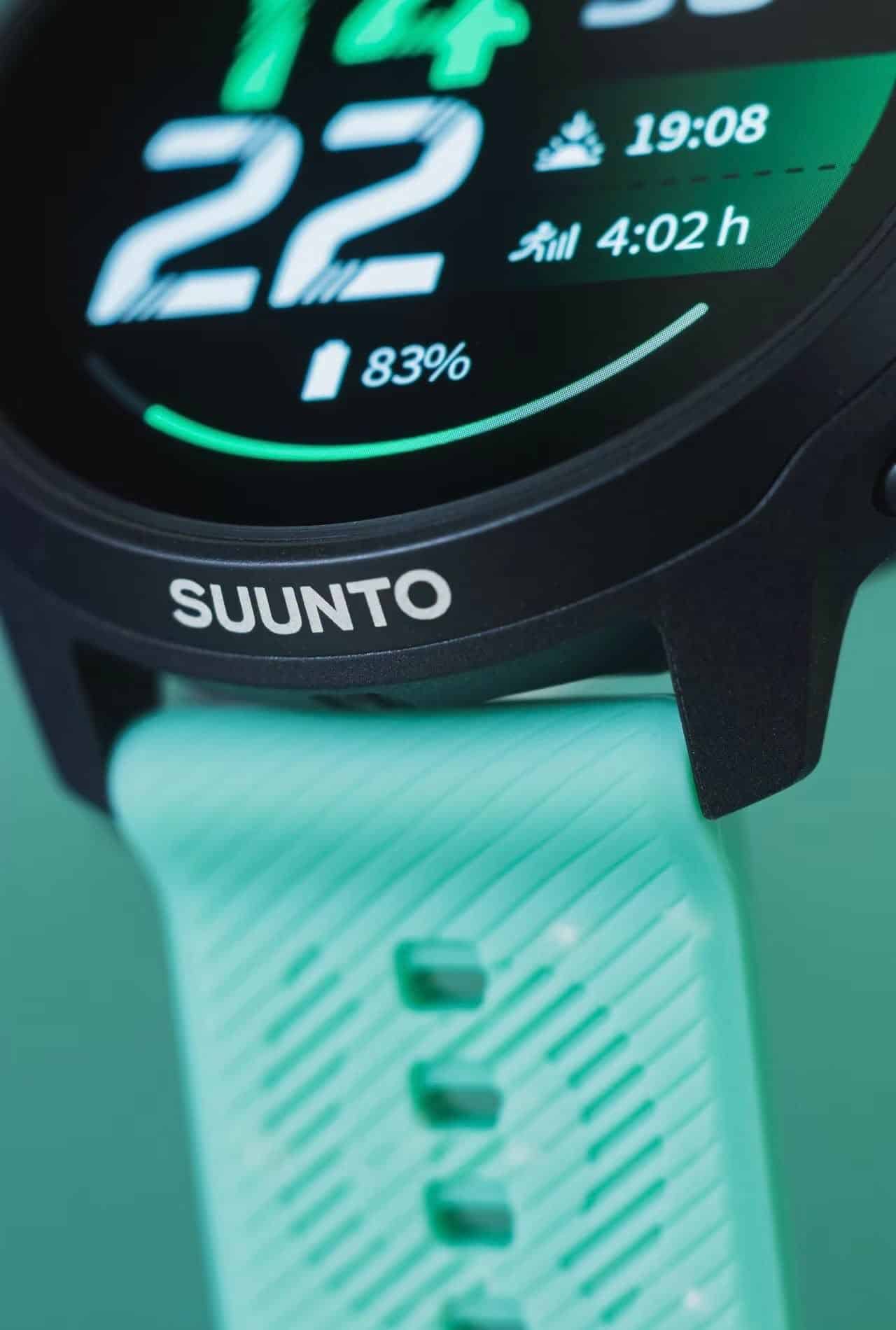
The display jumps from 600 to 2,000 nits
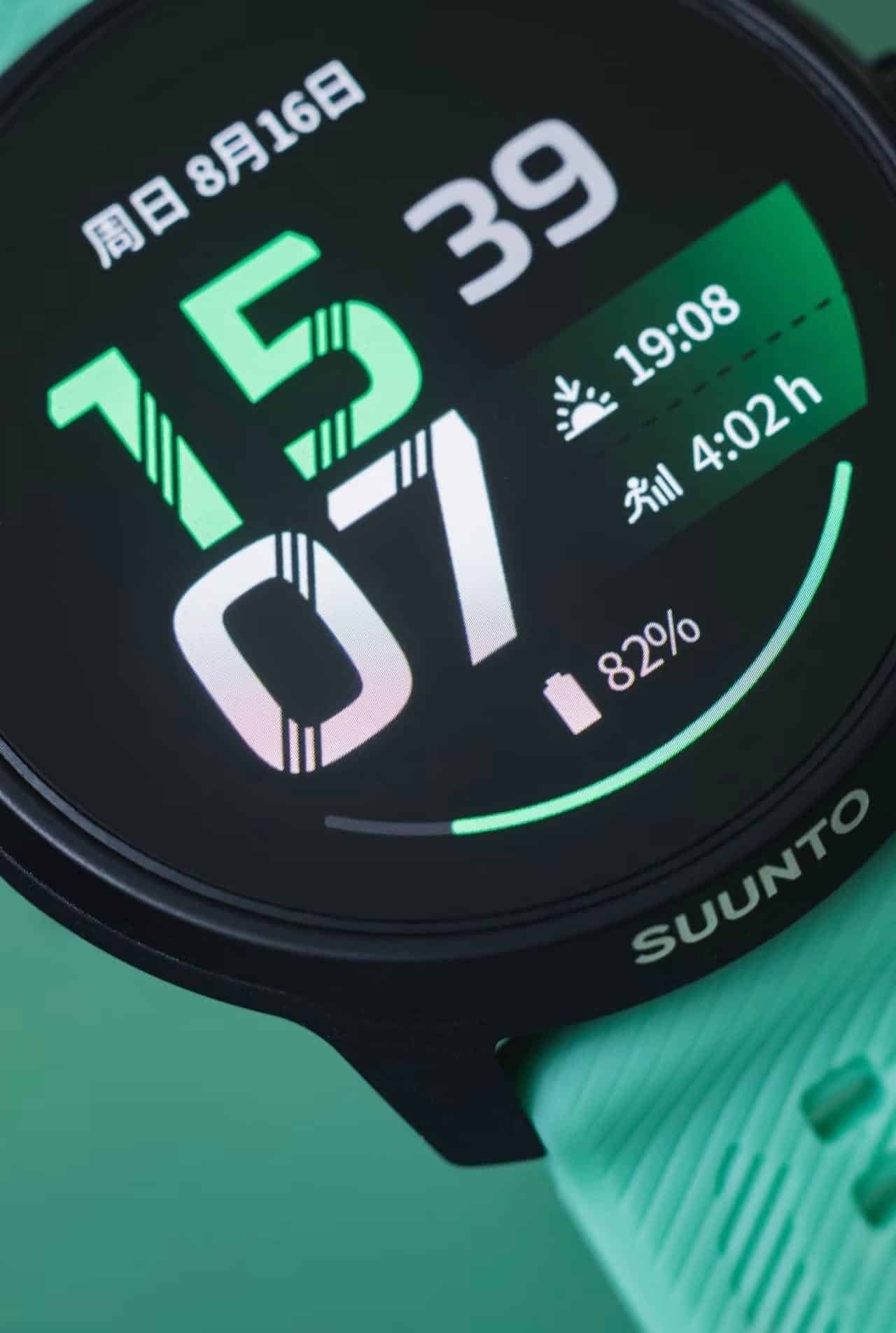
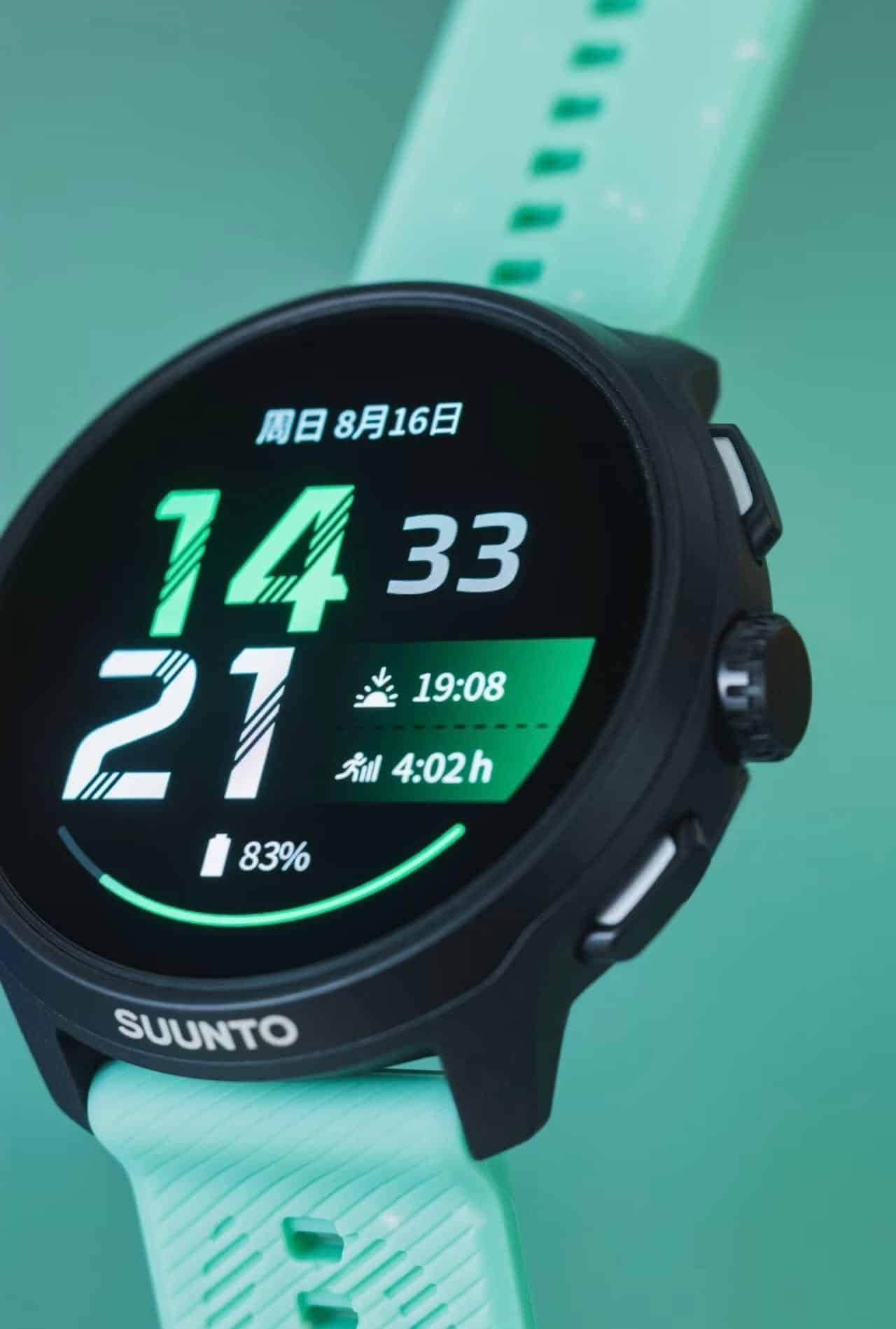
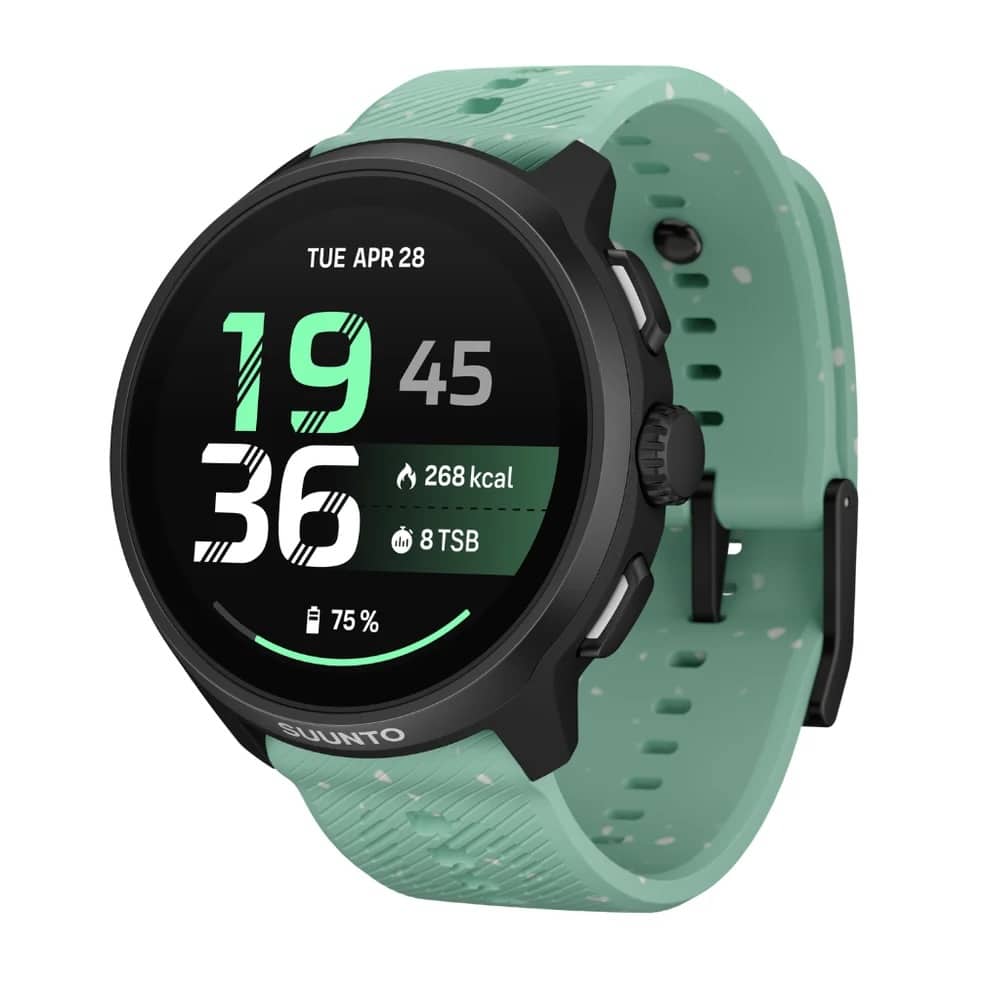
Both watches use a 1.32-inch AMOLED display, but the brightness difference is huge. Suunto Run tops out at 600 nits, while Run 2 reaches 2,000 nits.
That is more than three times the quoted peak brightness. For a watch designed mainly for running outdoors, this is one of those upgrades that makes immediate sense.
The Run 2 also uses an LTPS AMOLED panel. The bigger story, though, is simply that the display is far better suited to bright outdoor conditions than the one on the original model.
A 600-nit display never made the first Run unusable, but it did look pretty modest next to newer sports watches. Run 2 brings Suunto right back into the range we now expect from a modern AMOLED running watch.
Offline maps completely change the comparison
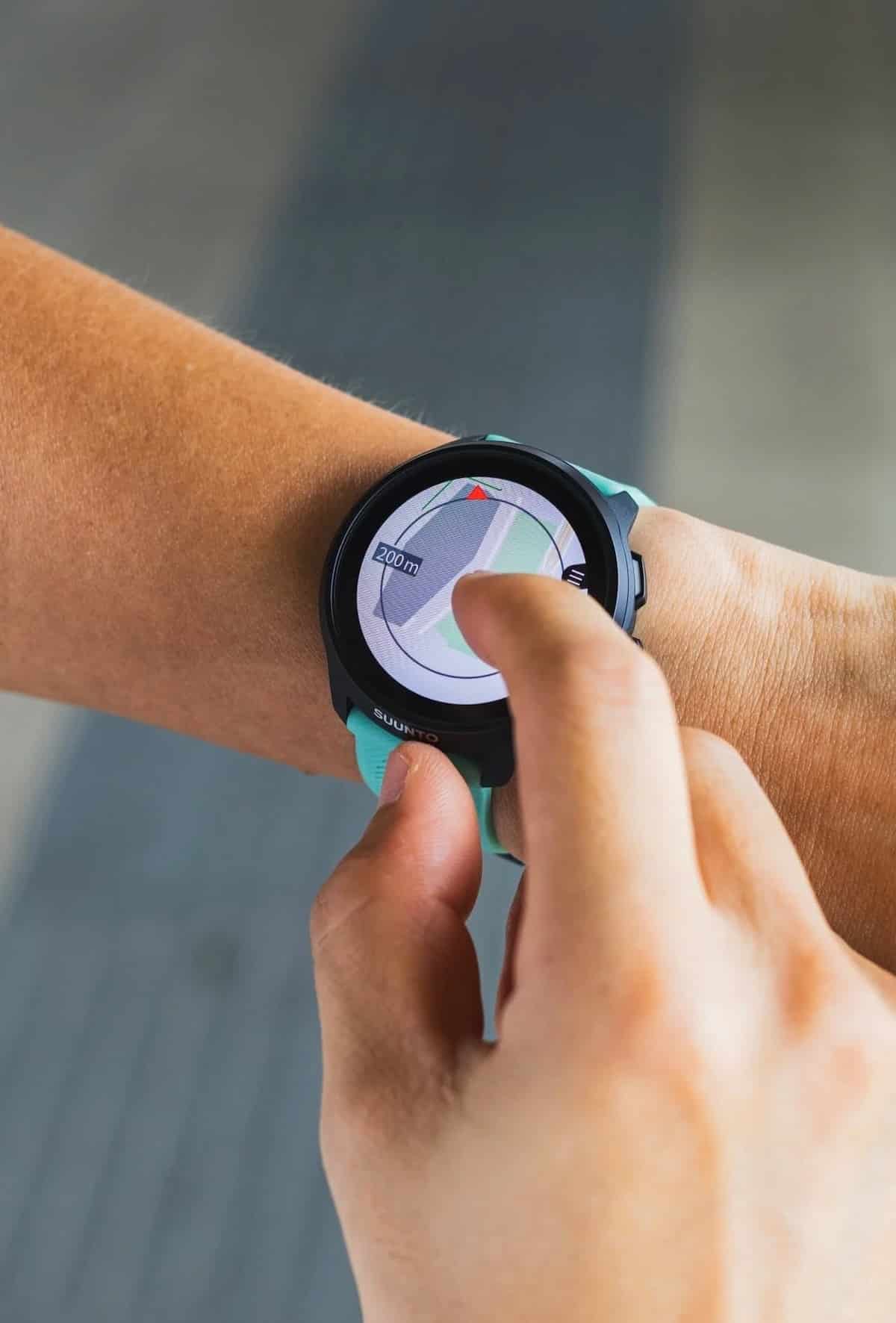
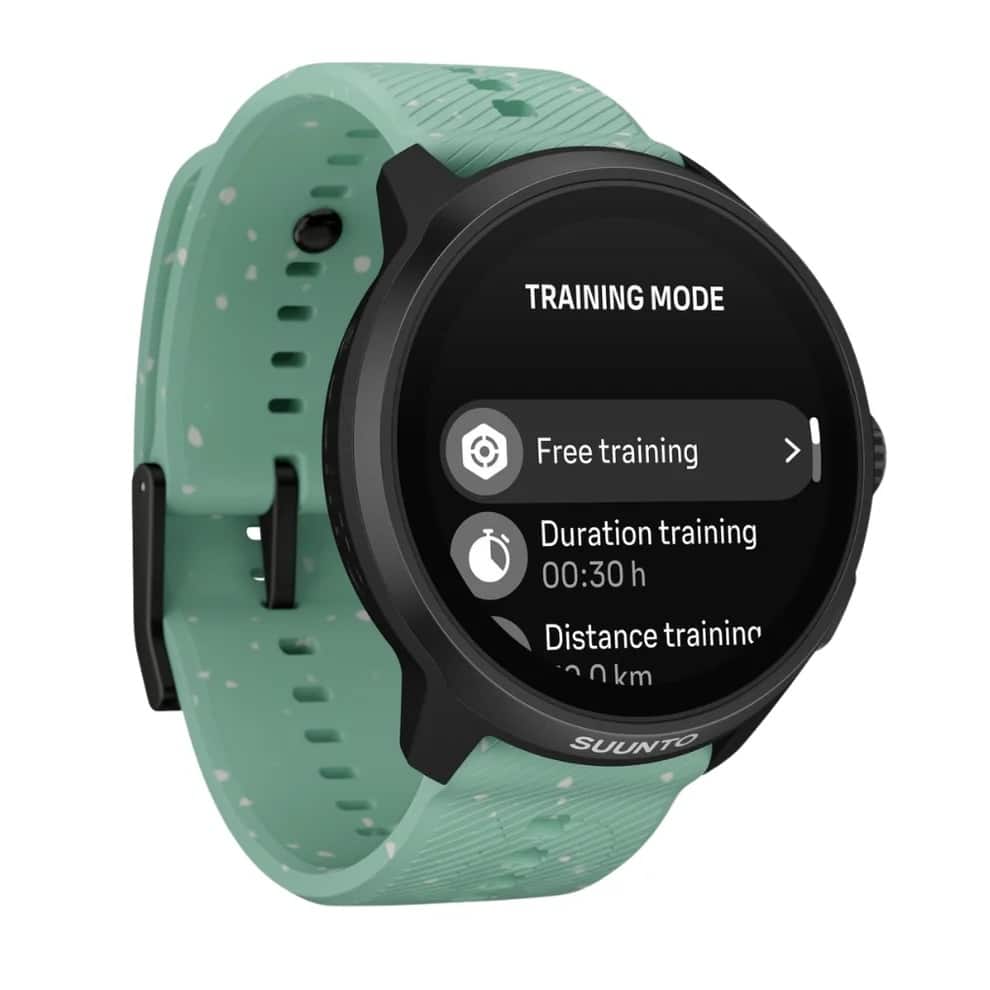
Offline maps are easily one of the biggest differences between the two generations. Suunto Run 2 has them, while the original Run does not.
Worldwide maps can be downloaded directly to the watch before heading out. They include topographic contours, outdoor heatmaps and route climb profiles, and remain available without cellular data.

That gives the Run 2 a much broader use case than its predecessor. The first Run was easy to understand as a lightweight road-running watch, while Run 2 now makes a lot more sense for trail running, unfamiliar routes and travel.
It also makes the 35 gram weight look even better. Lightweight running watches with proper offline mapping are still not exactly everywhere.
The original Run asked you to accept some fairly clear compromises in return for the low weight. Run 2 removes one of the biggest ones.
GPS and heart rate both get new hardware
Suunto Run already had dual-band GPS, so this is not the first time the series has supported L1 and L5 positioning. Run 2 instead moves to Suunto’s new-generation navigation hardware.
Support includes GPS, GLONASS, Galileo, BeiDou and QZSS. Suunto says the upgraded system improves recorded distance, pace and track accuracy, with particular attention paid to filtering out multipath signal reflections from tall buildings.
That is a more interesting upgrade than simply adding dual-band GPS to a watch that previously lacked it. The original Run was already capable here, so Suunto is refining an area that was one of the stronger parts of the first watch.
The optical heart-rate sensor changes more noticeably. Run 2 uses a new 12-channel optical sensor positioned behind curved 2.5D sensor glass.
Suunto specifically points to improved tracking during hard intervals, sudden changes in intensity, long efforts and running in heat. Those are all situations where optical sensors can have a harder time keeping up, so this is a sensible area to target.
A bigger battery without a bigger watch
Battery capacity increases from 295 mAh on the original Run to 380 mAh on Run 2. That works out to roughly 29 percent more capacity.
Daily use increases from eight days to 10 days, while high-performance dual-band GPS rises from 20 hours to 24 hours. Those are useful gains, particularly because the display is also considerably brighter.
Suunto has not turned Run 2 into an ultra-endurance watch, and it does not need to. The attraction here is getting decent battery life without carrying something much larger on your wrist.
The fact that weight has stayed at 35 grams is probably the most impressive part of the battery upgrade. Suunto has added capacity without giving up one of the original Run’s main selling points.
Music now includes offline podcasts
Suunto Run 2 also expands what you can take with you when leaving the phone behind. Music and podcasts can be stored on the watch and played offline.
That fits particularly well with the addition of offline maps. You can head out with navigation and audio available directly from the watch, which makes the Run 2 considerably more self-contained than the original.
Suunto lists the Run 2 as a 4GB model, although its comparison information also references 4/64GB storage. The important practical point is that local audio playback is now part of the package, including podcasts rather than just music.
That makes more sense for a running watch in 2026. Plenty of runners want to leave the phone at home, and Run 2 now does a much better job of supporting that.
EnergySense goes further than ordinary pacing tools
It is not all about the hardware upgrades. Some more interesting additions are on the software side.
EnergySense calculates live physiological output and dynamically estimates your remaining stamina percentage and how far you could continue running at your current pace. That makes the comparison with Garmin Stamina fairly obvious, although Suunto may be approaching the same general problem differently.
Plus you get Live Finish Prediction. Which takes the current pace and shows where it leads, giving a real-time view of the finishing time. Both features are built to inform the call while there is still road left to act on it: hold the pace, ease off, or push.
This becomes particularly interesting because Suunto already has ZoneSense. That system uses DDFA, or Dynamical Detrended Fluctuation Analysis, to analyse RR interval dynamics and estimate physiological intensity during exercise.
ZoneSense is not simply another set of fixed heart-rate zones. It looks at how your body is responding in real time, while EnergySense attempts to answer the next question, which is how much you have left if you continue at the same effort.
There is also a new Heat Strain Score. Suunto says it combines external weather conditions such as temperature, humidity and wind with heart rate to calculate cumulative heat stress during training. The idea is to give runners a better indication of when heat is starting to affect pacing, hydration and recovery.
Recovery and readiness tracking also takes overnight HRV baselines, Training Stress Balance, sleep stages and subjective feeling scores into account. None of these features changes what the Run 2 fundamentally is, but together they make the software side of the upgrade look considerably broader than it first appeared.
This is not one of those comparisons where the newer watch gets a slightly different sensor and another software widget. Run 2 improves most of the areas where the original Run was limited.
The screen goes from 600 to 2,000 nits, battery capacity increases by 29 percent, GPS and heart-rate hardware are upgraded and offline maps arrive for the first time. You also get offline podcasts, longer GPS battery life, EnergySense, Live Finish Prediction and Heat Strain Score, all while keeping the watch at 35 grams.
The original Run still has a place if you find it heavily discounted and do not care about maps. It remains a very light AMOLED running watch with dual-band GPS, and the core experience is still there.
But Run 2 is clearly the more complete device. Suunto has kept what worked about the first Run and removed most of the reasons you might have looked further up its range instead.
The biggest upgrade for many people will probably be offline maps. The feature I find more interesting, though, is EnergySense, particularly when you put it alongside what Suunto is already doing with ZoneSense.
View on Suunto’s website.
Don’t miss the latest from Gadgets & Wearables
Subscribe to our monthly newsletter and check out our YouTube channel.
You can also follow Gadgets & Wearables on Google News and add us as a preferred source in Google Search.

