
Why Apple Watch Series 11 and Ultra 3 miss out on Readiness
If you have a Series 11 on your wrist, you might be wondering why one of Apple’s biggest new health features has passed you by. Readiness is only coming to Series 12 and Ultra 4, even though plenty of older models can run the same version of watchOS.
That is what makes this a bit odd. Series 11, Series 10, Series 9, Ultra 3 and Ultra 2 are all still supported by watchOS 27, so Apple is not drawing the line at software compatibility.
Readiness is tied to the new health hardware
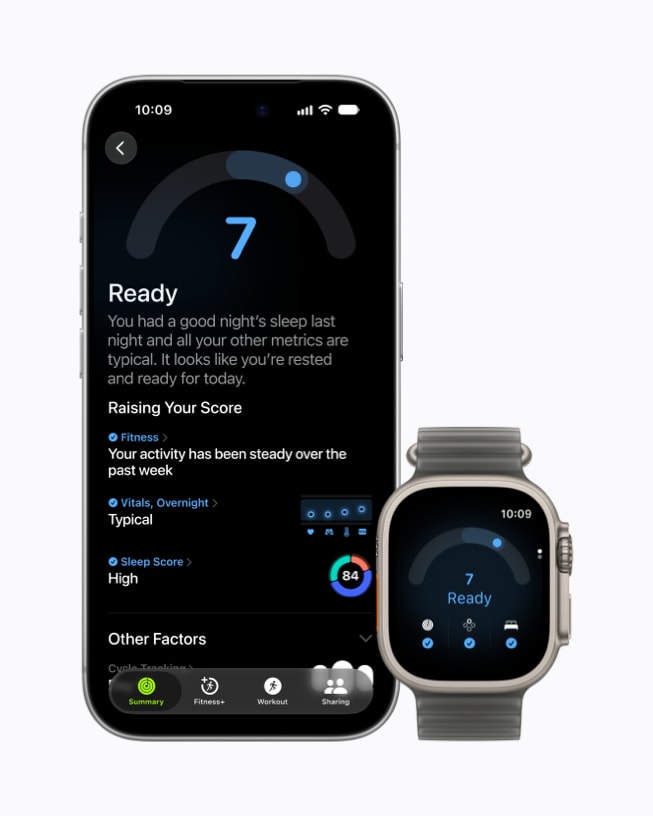
Apple introduced Readiness as part of the new Health Sensing System in Series 12 and Ultra 4. The score looks at recent activity, training load, vitals and sleep, then gives you a daily score from 0 to 10 along with guidance ranging from Recover to Go For It.
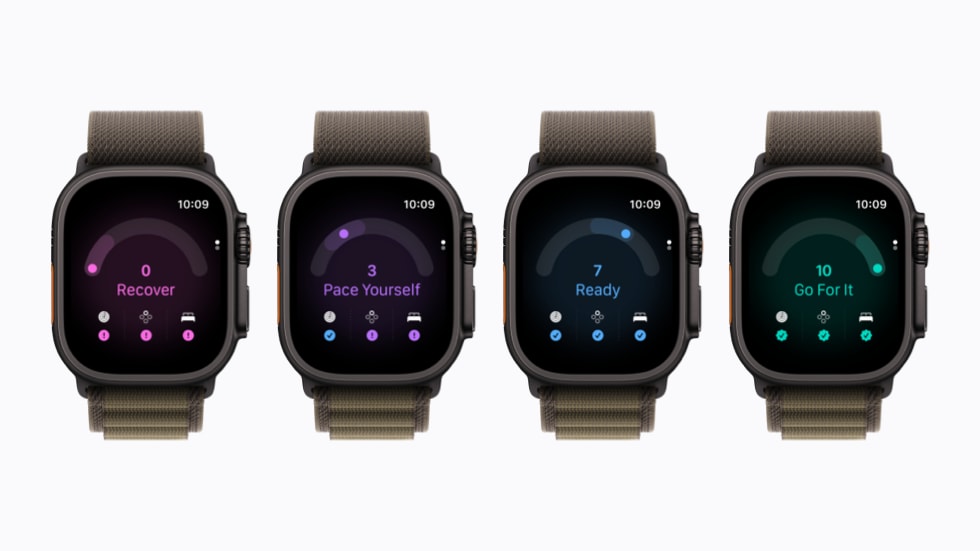
Looks useful enough. It seems Apple is muscling into Whoop territory. So why is this not coming to older watches?
The simple answer is that the company says Series 12 and Ultra 4 use redesigned optical and electrical heart sensors. Larger and more efficient green LEDs allow heart rate to be measured every five seconds throughout the day. HRV can now be measured as often as every five minutes. Which Apple says is 24 times more frequent than before.
Apple separates out Recovery HRV and compares overnight readings against a personal baseline. That gives Readiness a much denser stream of recovery data than older Apple Watches provide, and the score can update during the day as new measurements arrive.
That goes some way towards explaining why Apple has kept the feature on the new hardware. This is not simply a new screen inside watchOS 27, because the underlying sensing system has changed too.
But there is still an awkward question
The thing is, plenty of the data used by Readiness already exists on older Apple Watches. Series 11 can track HRV, heart rate, sleep, training load and overnight vitals. So it is reasonable to wonder whether Apple really needs every part of the new sensor system just to calculate a readiness score.
Apple has not said that an S10-equipped watch is technically incapable of running a simpler version of Readiness. And we’re guessing – it most likely is.
Sure, the new hardware can provide better and more frequent inputs, particularly for HRV and daytime heart rate. But that does not necessarily mean an older watch could not calculate Readiness from less frequent measurements.

Of course, this is just our speculation. There may be accuracy or validation requirements behind Apple’s decision that are not obvious from the outside. The company says it has developed the Readiness algorithm using data from the Apple Heart and Movement Study. So it may simply be unwilling to offer the score on watches that cannot produce the data quality or sampling frequency used to validate it.
Series 11 owners have the most reason to be annoyed
Series 9 and Series 10 owners are at least a couple of generations removed from the latest hardware. Gen 11 is different because it was Apple’s flagship standard watch until yesterday. Yet one of the biggest new health features is already unavailable on it.
Our Apple Watch Series 12 vs Series 11 comparison shows why this stands out. Everyday battery life remains 24 hours on both generations. The displays are very similar and both already cover ECG, blood oxygen, temperature, sleep and HRV. But Readiness sits exclusively on Series 12.
It is much the same story for the outdoor models. Ultra 4 adds Readiness and higher-frequency health sensing, while last year’s Ultra 3 misses out despite remaining a very capable watch. Our Ultra 4 vs Ultra 3 comparison also shows that much of the underlying hardware package remains familiar outside the new sensing system and improved battery life.

There is a wider context here too. Apple already caused some frustration earlier this year when watchOS 27 dropped support for Series 8, SE 2 and the original Ultra, so limiting headline features within the supported group creates another layer of fragmentation.
Don’t miss the latest from Gadgets & Wearables
Subscribe to our monthly newsletter and check out our YouTube channel.
You can also follow Gadgets & Wearables on Google News and add us as a preferred source in Google Search.


Although it doesn’t show up my Ultra 3 the readiness app is available to download and just says devices with ios27, I wonder if it will be available with later beta’s