

Samsung’s Ultra2 battery upgrade comes with an awkward catch
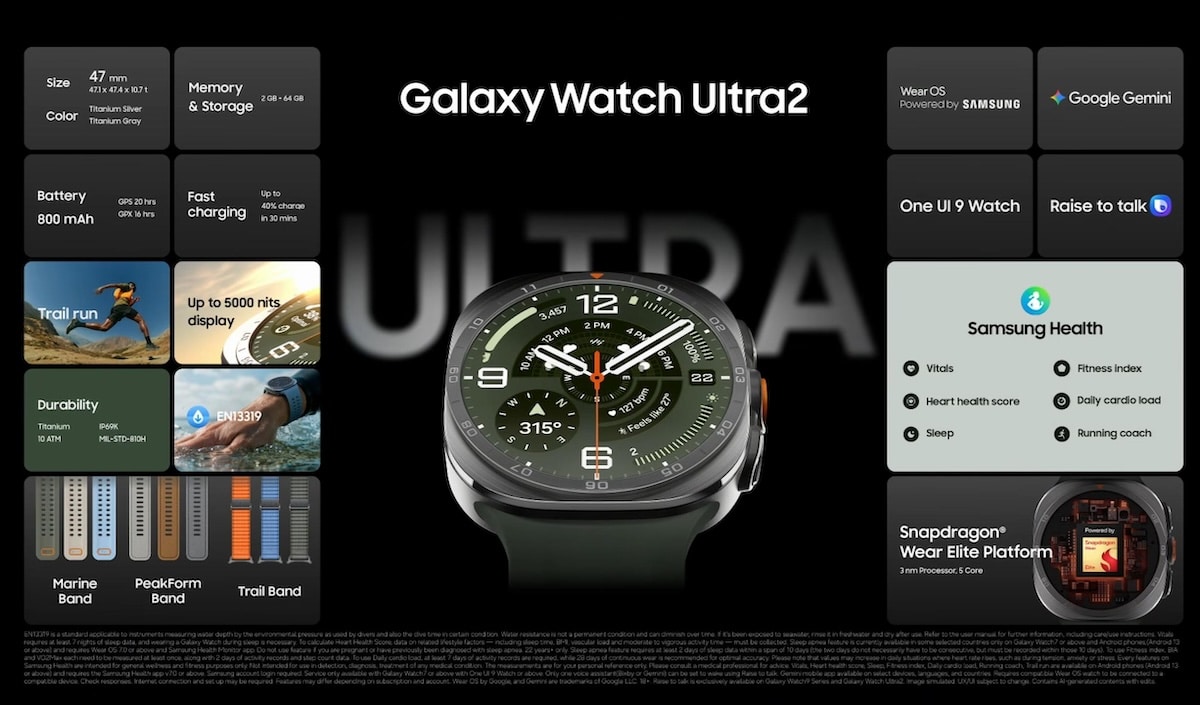
Samsung Galaxy Watch Ultra2 arrives with a 35% larger 800mAh battery, a 12% thinner case and a much brighter 5,000-nit display. Yet Samsung is still promoting up to 100 hours in power saving mode and 48 hours in exercise power saving mode, the same headline figures attached to the previous Ultra.
That does not mean the extra capacity has gone to waste. It does, however, leave Samsung with an obvious question to answer when the first independent battery tests arrive.
The larger battery comes with a catch
The previous Galaxy Watch Ultra used a 590mAh battery, so moving to 800mAh is a substantial change. Samsung has somehow fitted that larger cell inside a 10.7mm case, down from 12.1mm, while also expanding the display slightly to 1.52 inches.
Samsung’s move to the new Snapdragon Wear Elite processor should also improve efficiency. Qualcomm previously claimed its 3nm platform could extend usage by around 30% compared with the preceding Snapdragon generation.
Put those changes together and you might expect a noticeable increase in Samsung’s advertised runtime. Instead, the company is once again quoting up to 100 hours in power saving mode and 48 hours while tracking exercise with power saving enabled.

Galaxy Watch owners picked up on that almost immediately. The main question in early discussions was what the extra 210mAh is doing if the published endurance figures have not increased.
One possible answer is the display. Ultra2 can reach a claimed 5,000 nits under strong ambient light, up from 3,000 nits, while the slightly larger panel also has more pixels. Samsung may have used some of the added capacity to support that screen without reducing battery life.
The processor, new health tools and expanded sports tracking could also increase power demands. Still, an 800mAh smartwatch battery is unusually large, so it will be interesting to see whether Samsung is simply being conservative with its estimates.
A stronger watch with a familiar shape
Ultra2 adds more than a larger battery. It now supports Trail Run tracking with elevation, climbing progress and terrain information, while Nutrition Alert uses estimated sweat loss to provide hydration guidance during activities.
Samsung has also pushed the watch further into diving territory. Ultra2 carries IP69K, 10ATM and EN13319 ratings, and it can automatically show depth, dive time and water temperature. A more advanced diving app developed with Mares is due later this year.
Storage doubles from 32GB to 64GB, while Bluetooth moves to version 6.0. These are useful additions, particularly for someone buying their first Galaxy Watch Ultra.
The difficulty is that Ultra2 still looks very similar to the previous models. That became another recurring theme among existing owners, alongside disappointment with the initial trade-in offers available in some markets.
Many people said they would keep their 2024 Ultra for another year. Others questioned why Samsung appeared to value the 2024 and 2025 versions similarly when calculating trade-ins, although launch-day offers can change quickly.
That reaction does not make Ultra2 a weak product. It suggests Samsung has made a better Ultra for new buyers, rather than creating a compelling reason to replace a recent one.
Watch9 gets more subtle improvements
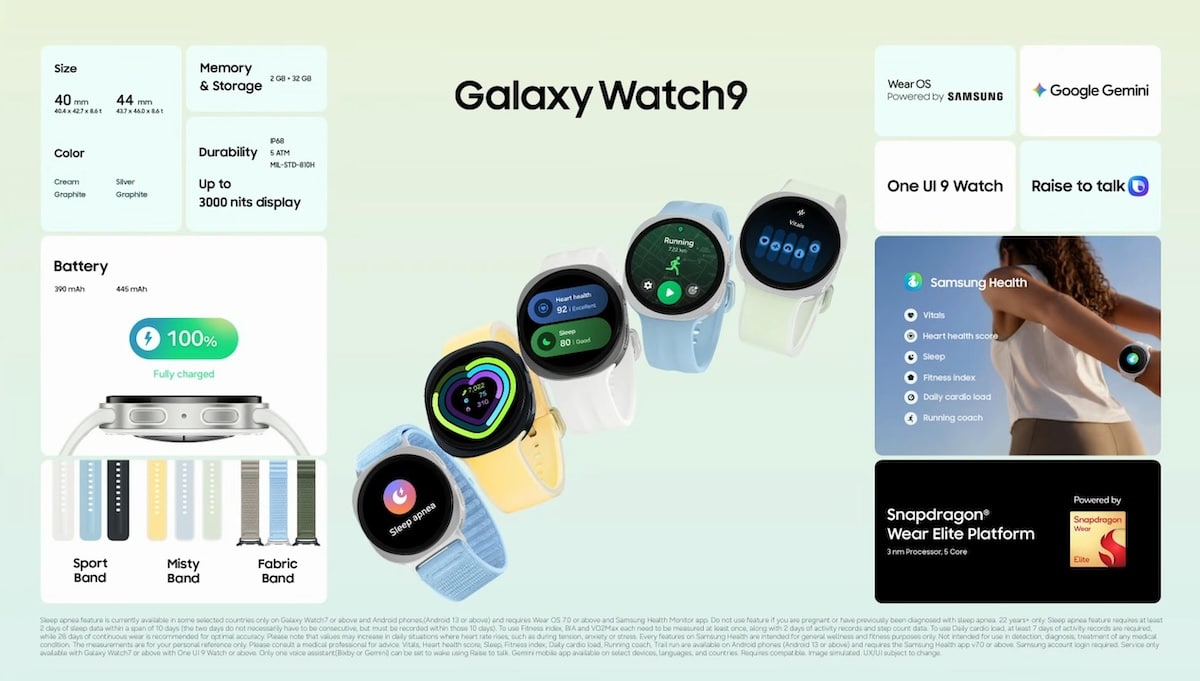
The regular Galaxy Watch9 may have the cleaner everyday story. It comes in 40mm and 44mm sizes, uses the same Snapdragon Wear Elite processor and reaches 3,000 nits of brightness.

The smaller version receives the more useful battery increase, moving from 325mAh on the Watch8 to 390mAh. Samsung has kept the case at 8.6mm thick, which should make it a more practical option for smaller wrists without sacrificing comfort. The larger model moves from 435mAh to 445mAh, so its improvement will depend more heavily on processor efficiency.
Many health features are not exclusive
Samsung is also introducing Vitals, Heart Health Score, Daily Cardio Load, Fitness Index and hearing protection tools. The company continues to push the Galaxy Watch as a device that interprets health data rather than simply collecting it.
Several of these features will also reach older models through One UI 9 Watch. Daily Cardio Load and Fitness Index, for example, will work with the Galaxy Watch7 and newer devices once they receive the software.
That leaves hardware as the main reason to buy this generation. Ultra2 offers the biggest specification jump, but the 40mm Watch9 may deliver the improvement that more people notice every day.
Galaxy Watch9 starts at £349, which is £30 more than last year’s model. Even so, the smaller version finally gets a battery that looks better suited to sleep tracking, workouts and normal smartwatch use without making the watch noticeably bulkier.
Don’t miss the latest from Gadgets & Wearables
Subscribe to our monthly newsletter and check out our YouTube channel.
You can also follow Gadgets & Wearables on Google News and add us as a preferred source in Google Search.

