

Four ways Speediance Strap is different vs Whoop
Table of Contents
Speediance Strap is a newcomer to the screenless band space, and it is coming at this from a slightly different angle than WHOOP. The company is better known for its connected home gym equipment, and the Strap is its first real push into everyday wearable tracking.
I have the device in testing right now and, so far, it is working well. I am still going through the health, sleep, recovery and workout data, so I am saving the proper verdict for the full review. That is coming soon.
WHOOP has had this corner of the market mostly to itself for years, but the screenless fitness tracker category has become a lot busier lately. Speediance is clearly aiming at the same crowd, just with a few very different ideas about how to do it.
View Whoop on Whoop’s website. View Speediance Strap on Speediance website.
Speediance puts core body temperature to work
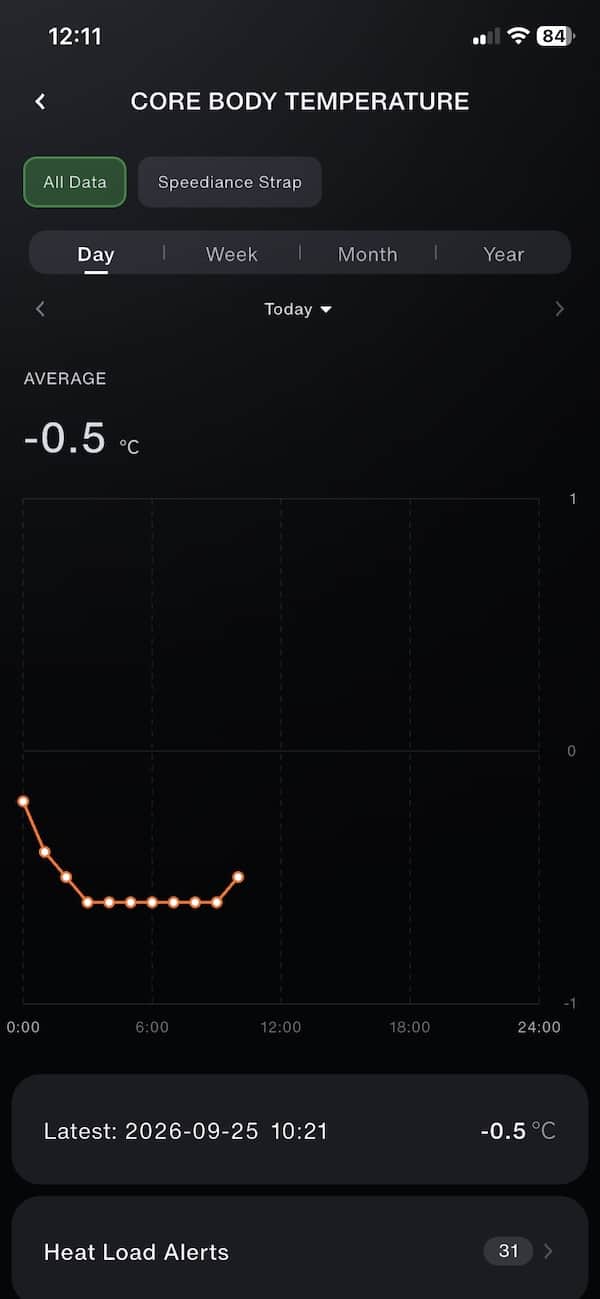
Most wearables stop at skin temperature. Speediance Strap goes further by estimating core body temperature using heat-flux sensing, skin temperature and physiological modelling, with the underlying Calera technology supplied by Swiss company greenteg.
I first came across the Speediance Strap at IFA 2026, and this was the feature that caught my attention straight away. More importantly, Speediance does not just collect the data and leave it sitting in a graph. It uses those temperature trends as part of several training features.
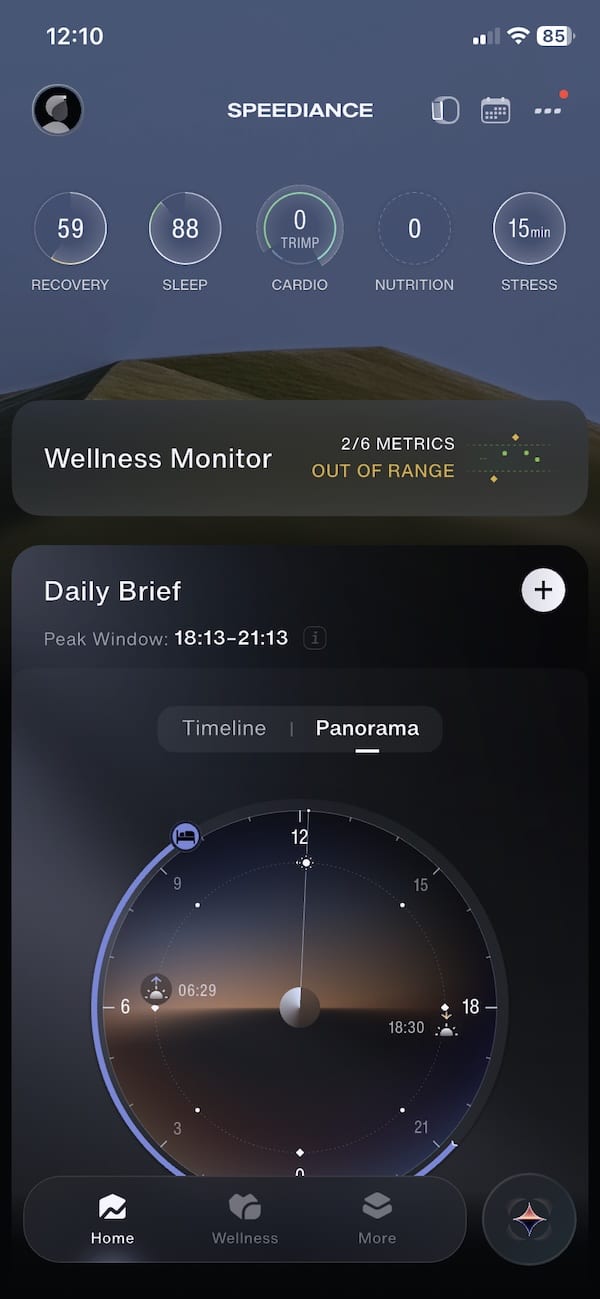
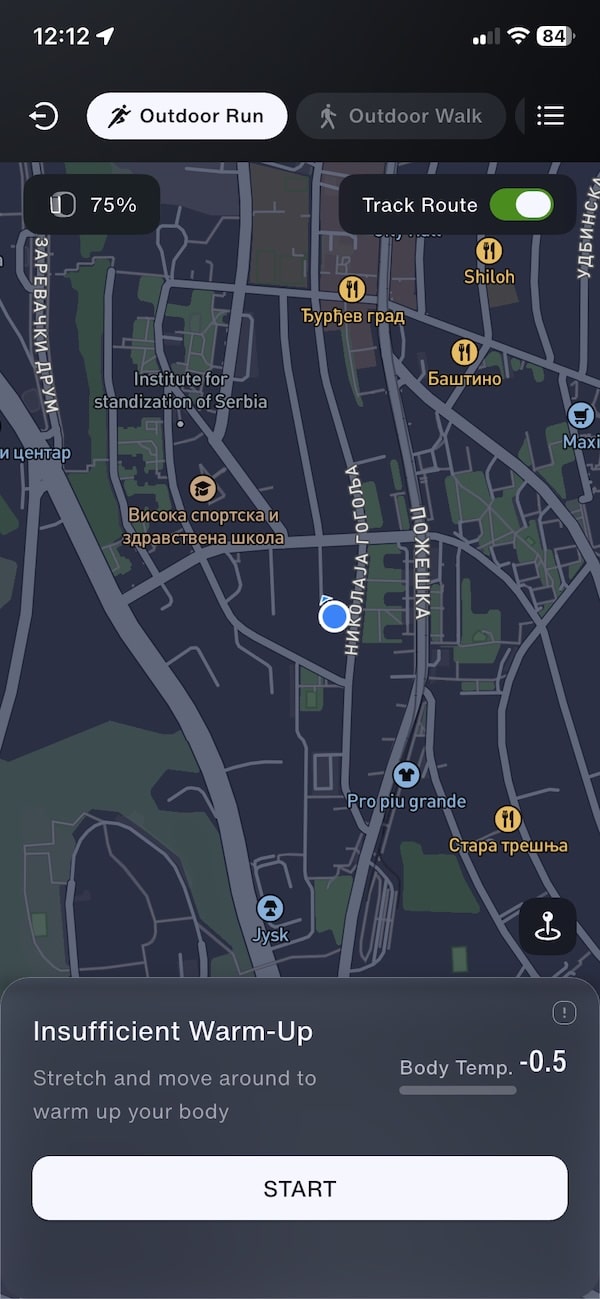
Peak Window looks at core temperature and circadian rhythm to suggest when you may be better placed for harder exercise. Warm-Up Readiness follows how your temperature changes once you start moving, while Heat Load Monitoring watches for rising thermal strain during a workout.
WHOOP tracks temperature too, but it does not offer the same estimated core-temperature system or the same set of temperature-led training features. That gives Speediance a genuinely different angle rather than another variation on sleep, strain and recovery scores.
Different approaches to premium hardware
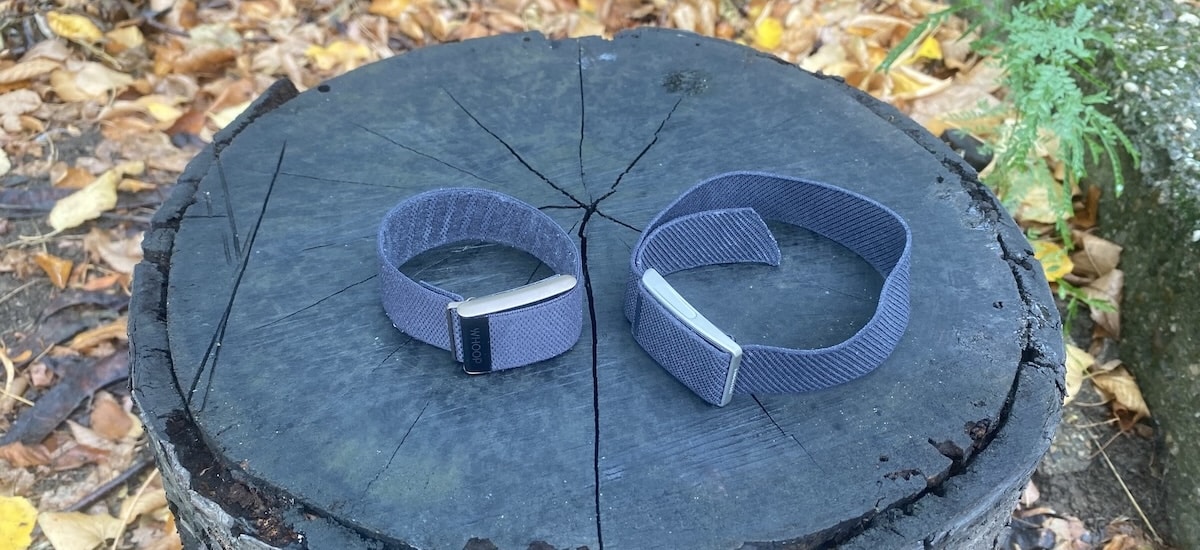
There are actually two Speediance models, and the Strap Pro is the one I’ve been testing. The regular version costs $129 and uses a stainless-steel frame, while the $159 Strap Pro switches to titanium and drops the total weight from 28 grams to just 21 grams.
The Pro also adds an EDA sensor, which measures electrodermal activity. This helps in better estimating your stress levels.
That is quite a different approach to WHOOP’s premium hardware. WHOOP MG adds features such as ECG and Blood Pressure Insights. These are two features Speediance and the Pro version of the same lack.
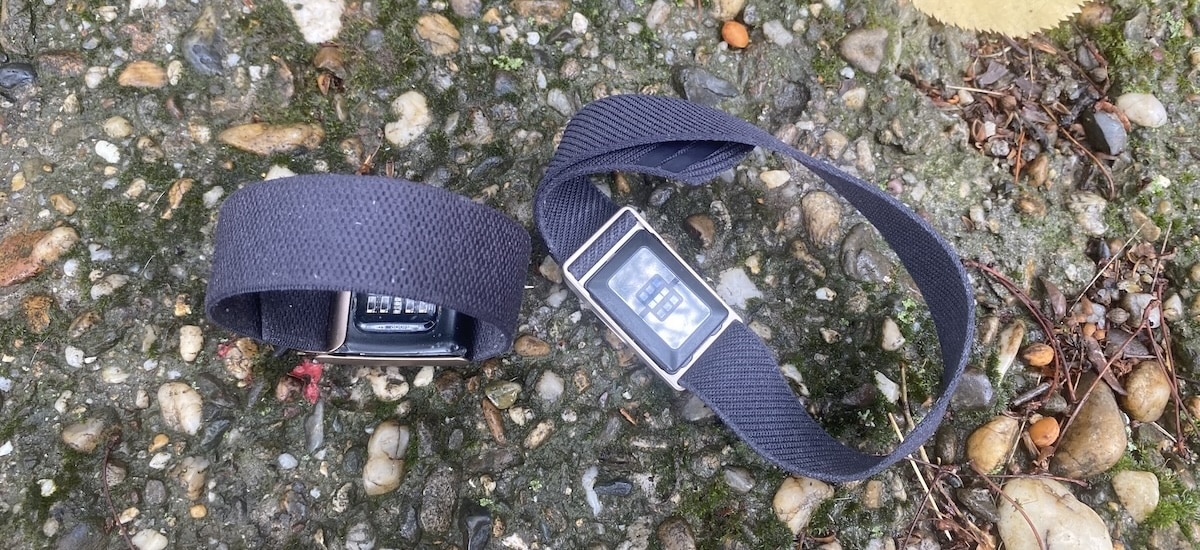
Charging works differently
Both platforms offer very long battery life, so endurance itself is not a separator. Speediance quotes up to 14 days, while WHOOP 5.0 is also rated for 14-plus days.
The difference is what happens when the battery finally runs down. Speediance uses a magnetic charging dock, which means taking the tracker off while it charges. WHOOP has a more unusual setup on its higher membership tiers, with a Wireless PowerPack that slides over the device and lets you continue wearing it while it charges.
There is an important wrinkle here. WHOOP One comes with a conventional corded Basic Charger rather than the Wireless PowerPack, so charging while wearing the device is not standard across every WHOOP package. The PowerPack comes with WHOOP Peak and Life.

Speediance does not require an ongoing membership
Price is probably where the difference really hits home. The Speediance Strap starts at $129, and once you have bought it, the core tracking keeps working without another compulsory payment hanging over it.
There is an optional Wellness Go service, and Speediance includes a year with the Strap, but you do not need to keep paying just to carry on using the main health and fitness features. That makes the whole thing feel much more like buying a normal wearable.
WHOOP does it completely differently. In the US, WHOOP One costs $199 per year, Peak is $239 and Life is $359, with the hardware bundled into the membership.
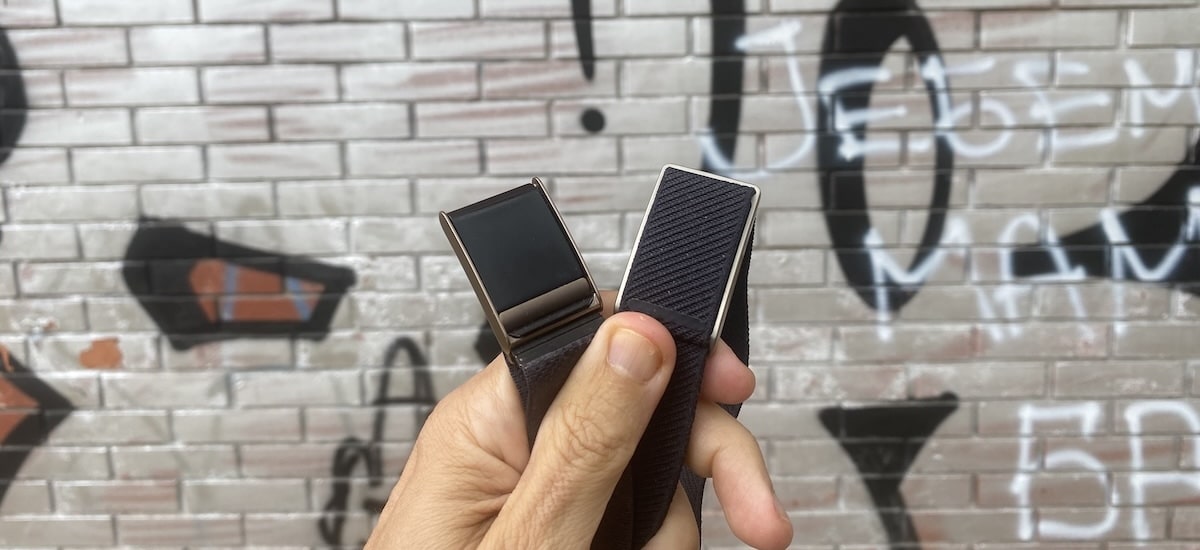
To be fair, WHOOP has had years to build out its Recovery, Strain, Sleep and coaching platform, so you are paying for a much more mature ecosystem rather than just the sensor on your wrist. But the basic ownership model is still very different. With Speediance, you buy the hardware and keep using it. With WHOOP, the membership is part of the deal.
I am still testing the Speediance Strap, so I am not ready to call the comparison either way yet. So far it is working well, and my full review will dig much further into heart-rate accuracy, sleep, recovery, exercise tracking, core-temperature features and battery life.
View Whoop on Whoop’s website. View Speediance Strap on Speediance website.
Don’t miss the latest from Gadgets & Wearables
Subscribe to our monthly newsletter and check out our YouTube channel.
You can also follow Gadgets & Wearables on Google News and add us as a preferred source in Google Search.

