

Google wants wearables to spot when you are more likely to fall
Google is looking at a different way of handling falls on wearables. Instead of waiting for someone to hit the ground, a watch could work out when the wearer is temporarily more likely to fall and make its detection system more sensitive.
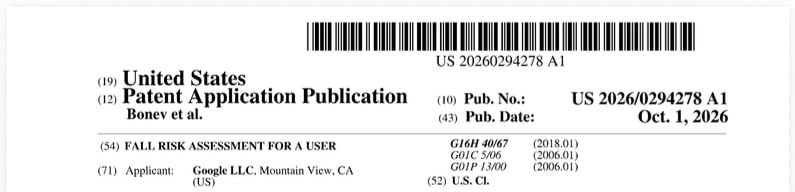
Fall detection today is fairly reactive. Your watch detects the motion associated with a hard fall, checks whether you respond and can then call for help, which is essentially how Pixel Watch Fall Detection already works. A newly published Google patent goes a step earlier.
Your watch would know when to be more cautious
The basic idea is straightforward. Rather than using the same fall detection sensitivity all day, the wearable could recognise a higher-risk situation and temporarily lower the threshold required to trigger fall detection.
Google gives walking while looking at a smartphone as one example. The phone could recognise that its screen is being viewed while the person is moving, then send that information to the wearable so it knows the user is in a potentially riskier situation.
Carrying something is another example. Motion sensors could recognise that a person’s arms are not swinging normally while walking, potentially indicating that they are carrying a box, drink or another object. The watch could then alter its fall detection threshold while that activity continues.
Google also proposes using machine learning rather than relying on one fixed rule. Accelerometer, gyroscope and barometer data could feed into a model that determines an adjusted threshold, with different sensors potentially getting their own thresholds.

Sleep is where it gets more unusual
The most distinctive part of the patent involves what happens just after waking up. Google proposes combining sleep information with the wearer’s first steps after a sleep event. The watch could take into account how long someone slept, how deeply they slept, how soon they started walking and even how quickly those first steps were taken. US-
The filing suggests, for example, that someone walking immediately after waking may warrant a lower fall-detection threshold than someone who waits before getting up. It also discusses treating a person differently after a long sleep compared with a short nap, and potentially distinguishing waking from deeper REM sleep from waking during lighter sleep.
Walking pace could matter too. Google describes making fall detection more sensitive if someone starts walking quickly immediately after waking, while a slower pace could indicate less risk.
Exercise gets similar treatment. The system could consider how long someone has exercised and what type of exercise they were doing, then temporarily adjust fall detection because fatigue may change their likelihood of falling.

More context before the fall
Today, devices such as Pixel Watch largely react after a fall-like movement has already happened. Google’s patent adds context before that point, allowing the wearable to become more sensitive when the circumstances suggest greater risk.
There is no indication this is definitely coming to Pixel Watch. The patent covers wearable devices more broadly and dates back to earlier Google work, even though this application was published on October 1, 2026.
Still, the direction is clear. Fall detection could eventually become less about a fixed impact threshold and more about understanding what the wearer is doing before the fall happens.
Don’t miss the latest from Gadgets & Wearables
Subscribe to our monthly newsletter and check out our YouTube channel.
You can also follow Gadgets & Wearables on Google News and add us as a preferred source in Google Search.

