

Polar patent shows how future watches could analyse your sweat
Polar has been looking at a sports watch that could measure glucose, lactate and cortisol from sweat using a replaceable sensor patch. The idea would add biochemical sensing without forcing Polar to build another permanent sensor system into the watch itself.
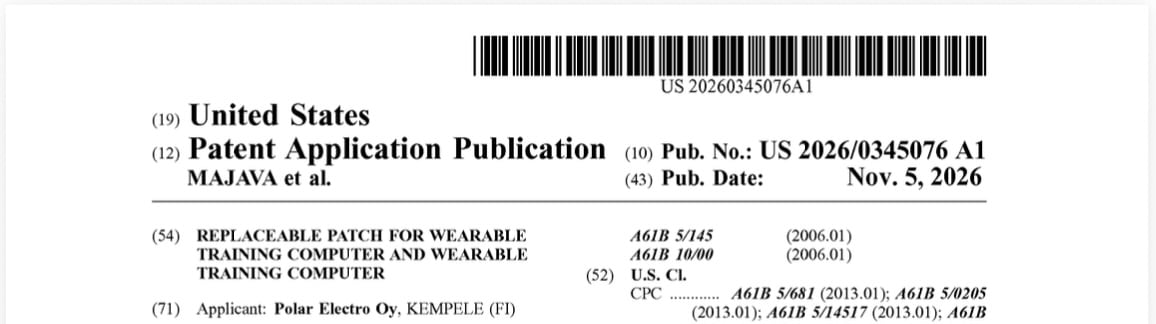
Polar wants to measure more than heart rate
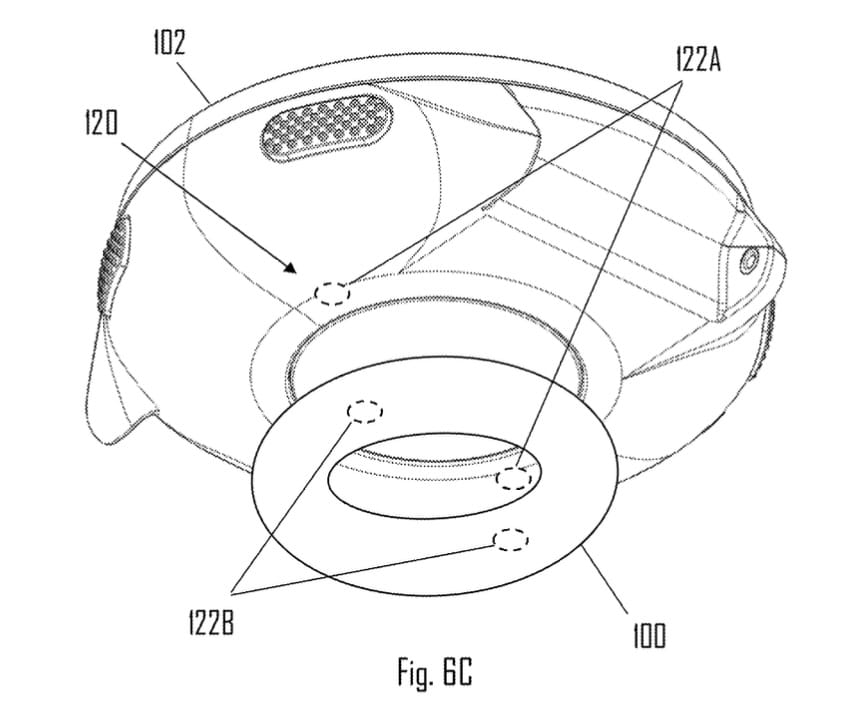
This is one of the more interesting Polar patents we’ve come across recently. The patch would sit between the watch and the skin, while an opening in the middle allows the normal optical heart rate sensor to keep working.
The patent specifically mentions glucose, lactate and cortisol. Polar links glucose with energy consumption and nutritional state, lactate with exercise intensity, and cortisol with recovery.
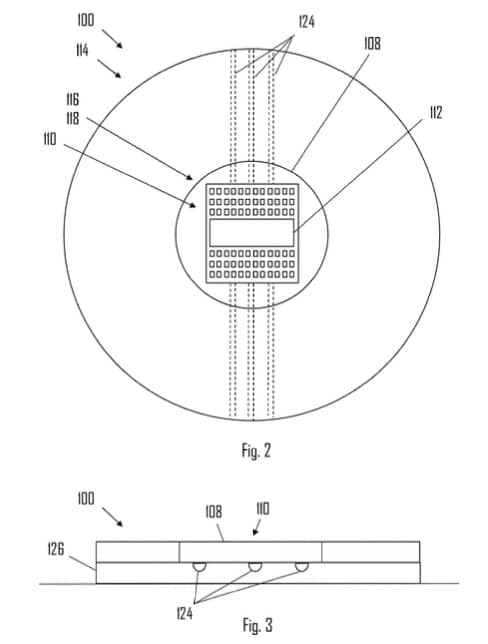
The system uses surface plasmon resonance, or SPR. Different sensing elements on the patch could be designed to detect different substances, meaning one part could look for glucose while another measures lactate or cortisol.
The patch could contain several sensing elements for the same substance as well. The watch would keep track of which ones had already been used and alert the wearer when the patch needed replacing.
Polar has explored other unusual sensing ideas before. We previously covered a Polar patent that combined heart rate monitoring with abdominal fat measurements. But that one has not seen the light of day yet so remains in concept stage.
The watch could even trigger sweat production
There is one practical problem with analysing sweat. Sometimes there isn’t enough of it.
Polar addresses that in the patent as well. One version of the patch includes an electrically activated element containing pilocarpine, which can stimulate local sweat production.
The watch could first determine whether enough sweat was present. If not, it could activate the element and generate enough sweat underneath the device to take a measurement.
That means the device could poentionally allow for measurements outside hard exercise. The system would not necessarily have to wait until the wearer was already sweating heavily.
This is not a normal glucose monitor
It is important not to confuse this with a conventional continuous glucose monitor. Polar is talking about measuring substances in sweat, not directly measuring glucose in blood or interstitial fluid.
That still leaves plenty of potential value for sports use. Lactate and cortisol, in particular, fit with Polar’s existing focus on training intensity and recovery, while glucose could provide another signal around energy use.
The concept is unusually detailed for a wearable patent. Polar has worked through how the patch could fit underneath an existing sports watch, how optical heart rate measurements could continue, how the biochemical sensors could be replaced and even how the system could produce sweat when needed.
Whether it ever reaches a commercial Polar watch is another matter. But glucose, lactate and cortisol sensing from a replaceable patch is certainly more interesting than another algorithm trying to squeeze a new score out of the same old heart rate data.
Don’t miss the latest from Gadgets & Wearables
Subscribe to our monthly newsletter and check out our YouTube channel.
You can also follow Gadgets & Wearables on Google News and add us as a preferred source in Google Search.

