

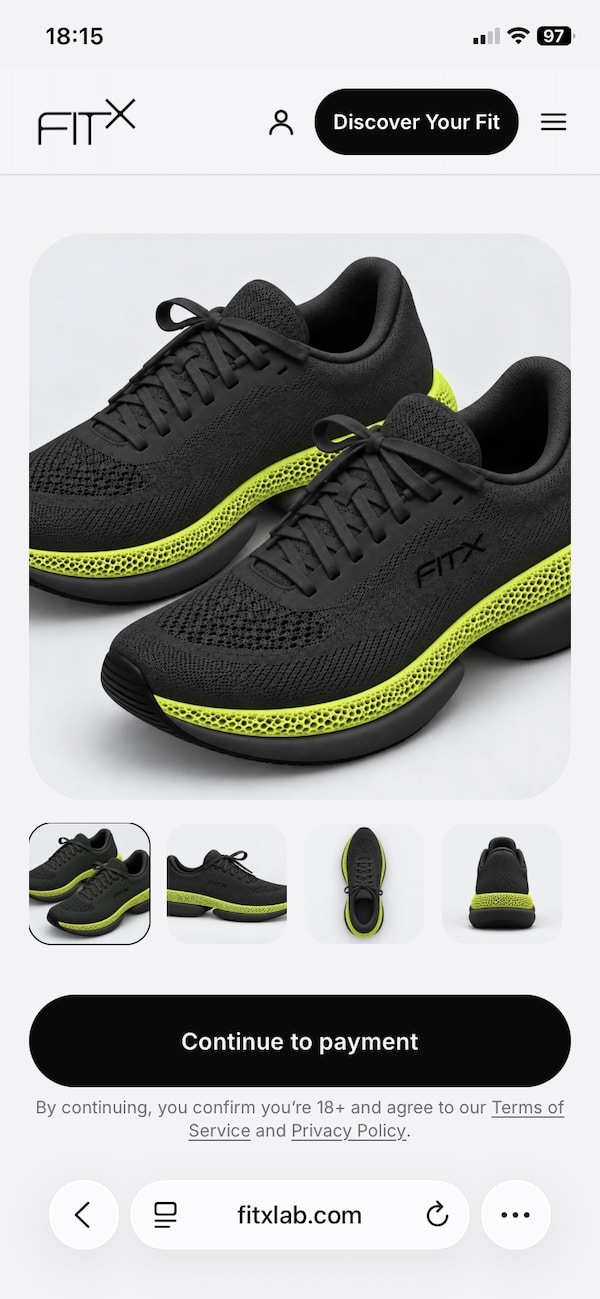
I scanned my feet to order personalized FitX 01 running shoes
I’ve just done something I’ve never had to do when buying running shoes before. Instead of picking a size in a store, I stood barefoot on a sheet of paper in my living room and used my phone to scan both feet from several different angles.
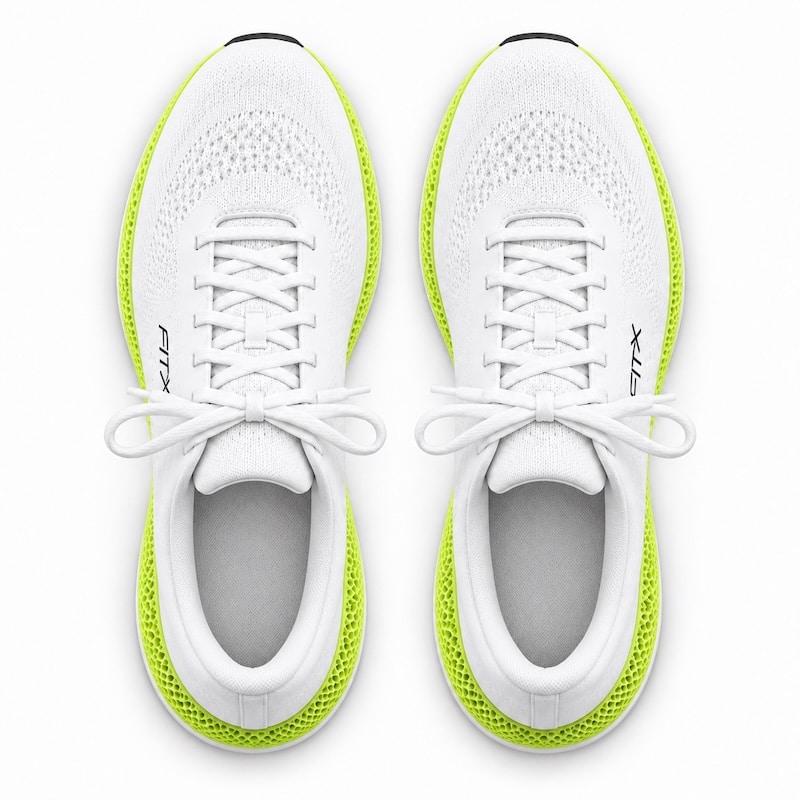
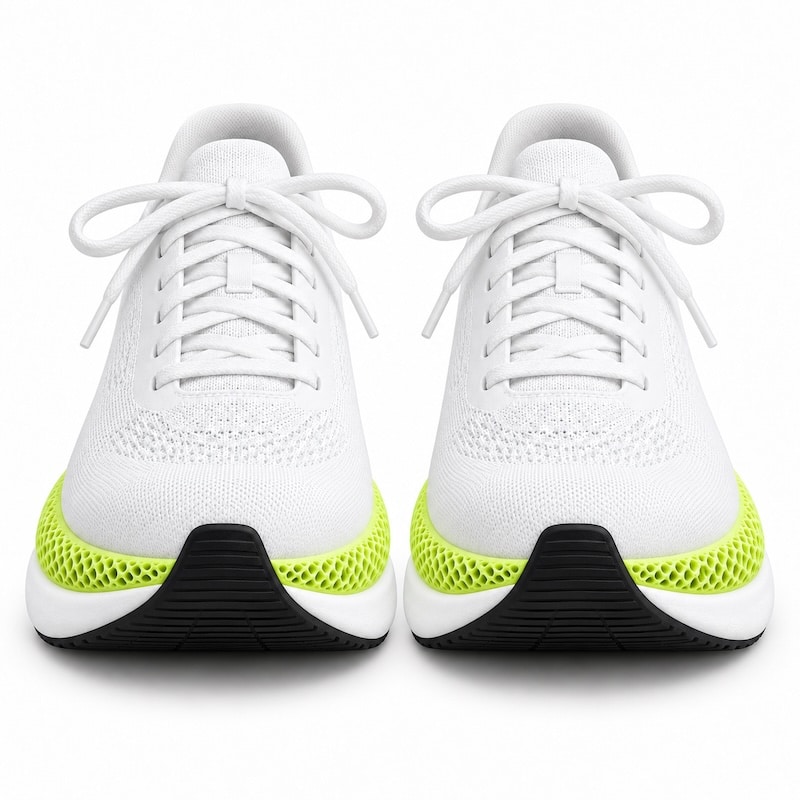
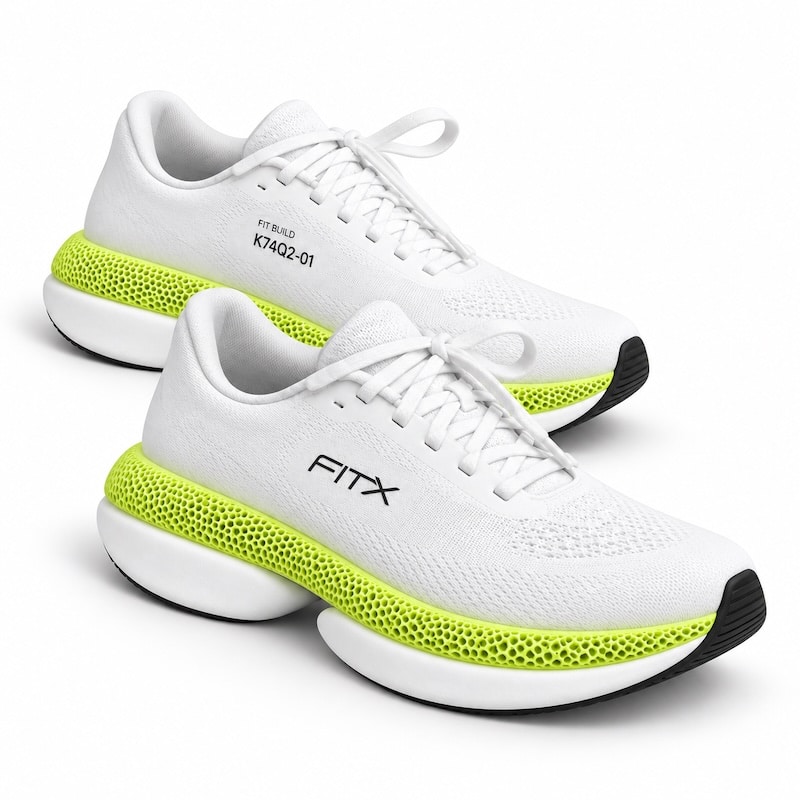
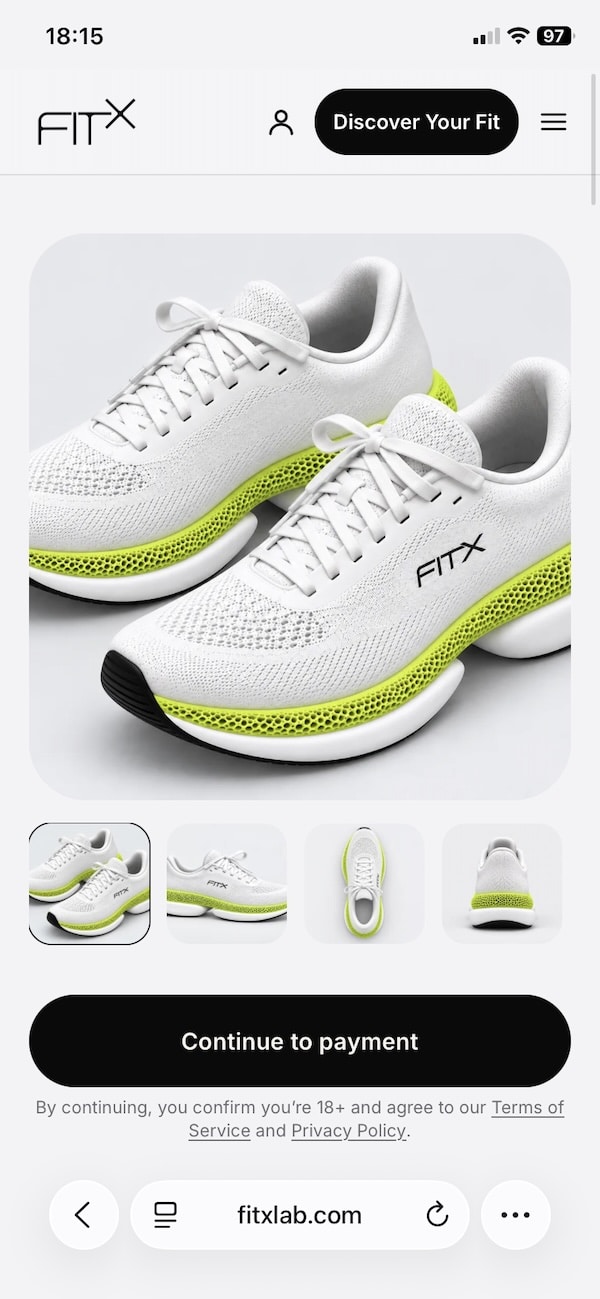
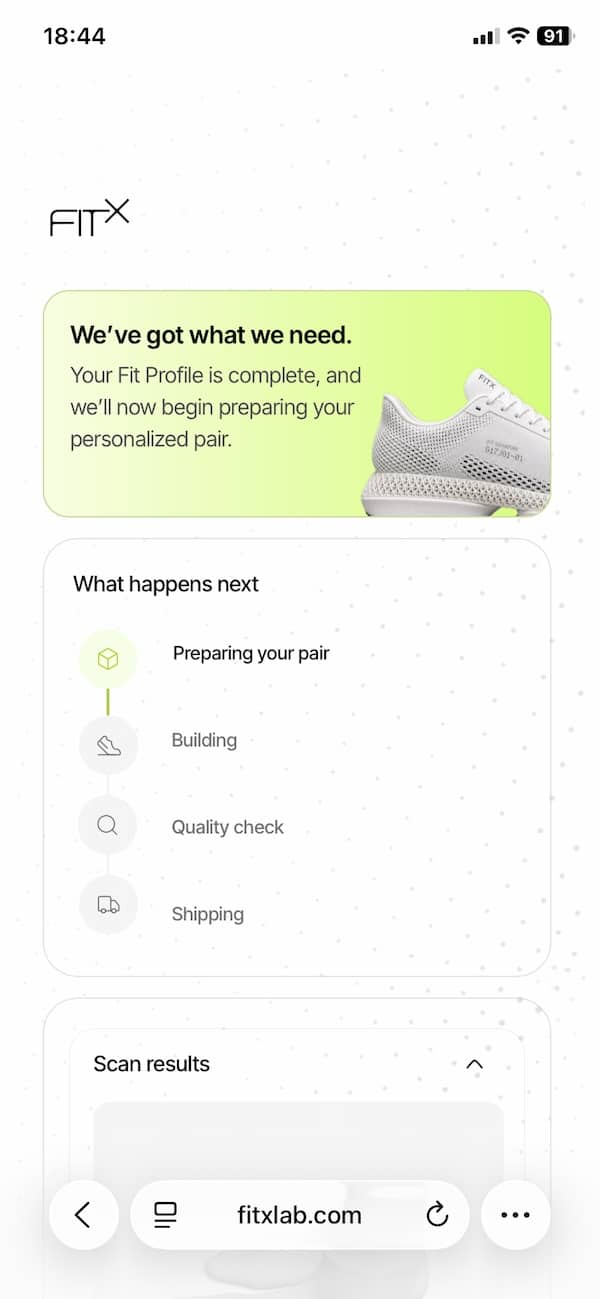
That scan is now being used to make my customised pair of FitX 01 running shoes. The idea is that the shoes are built around the shape of each foot, including differences between the left and right, rather than starting with a standard size and hoping it fits.
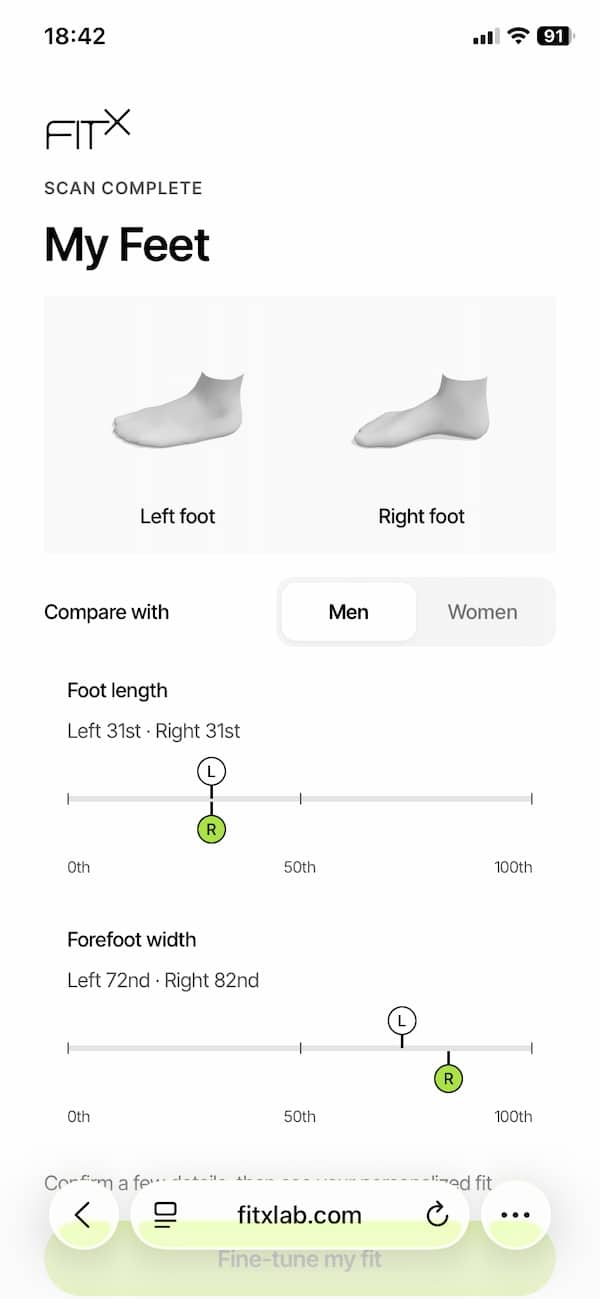
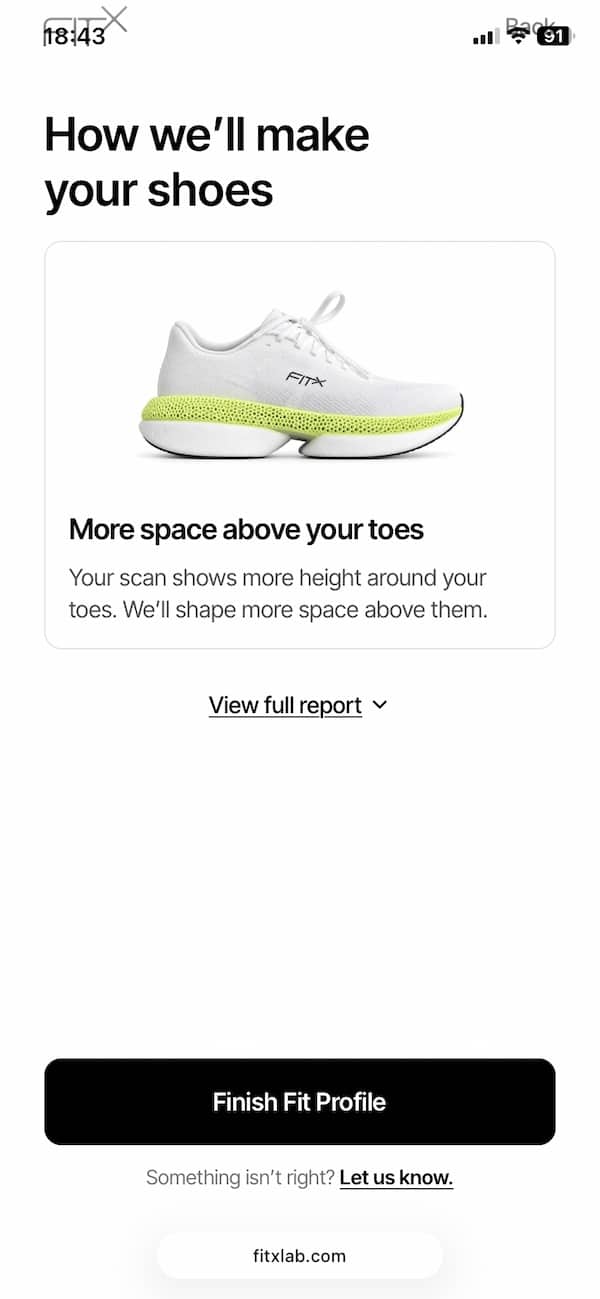
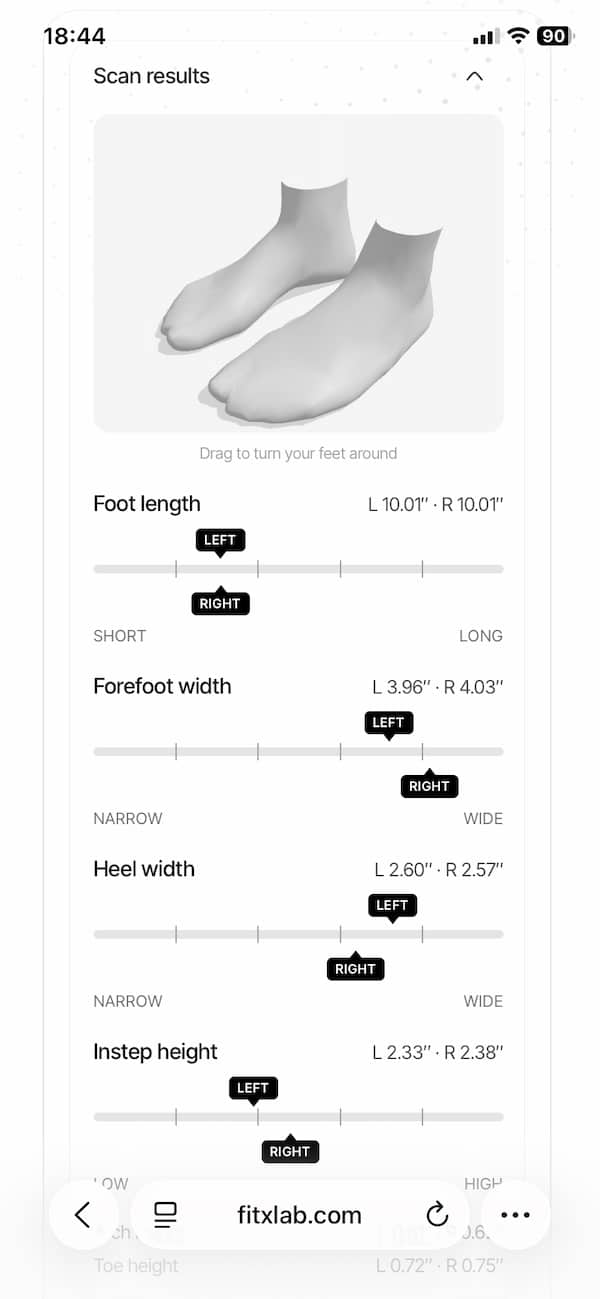
And there were differences. Both of my feet came out at the same length, but the scan found slightly different forefoot widths and a noticeably different instep measurement between the two sides. FitX also decided I need more room above my toes.
So before the shoes even arrive, there is already something useful to test. I know what FitX thinks is unusual about my feet, and when the finished pair turns up I’ll be able to see whether any of that personalisation actually makes a difference.
The scan is pretty straightforward
Everything happens through the phone browser. The process starts with a few questions about what you want from the shoes. I selected road running performance, then moved on to the actual foot scan.
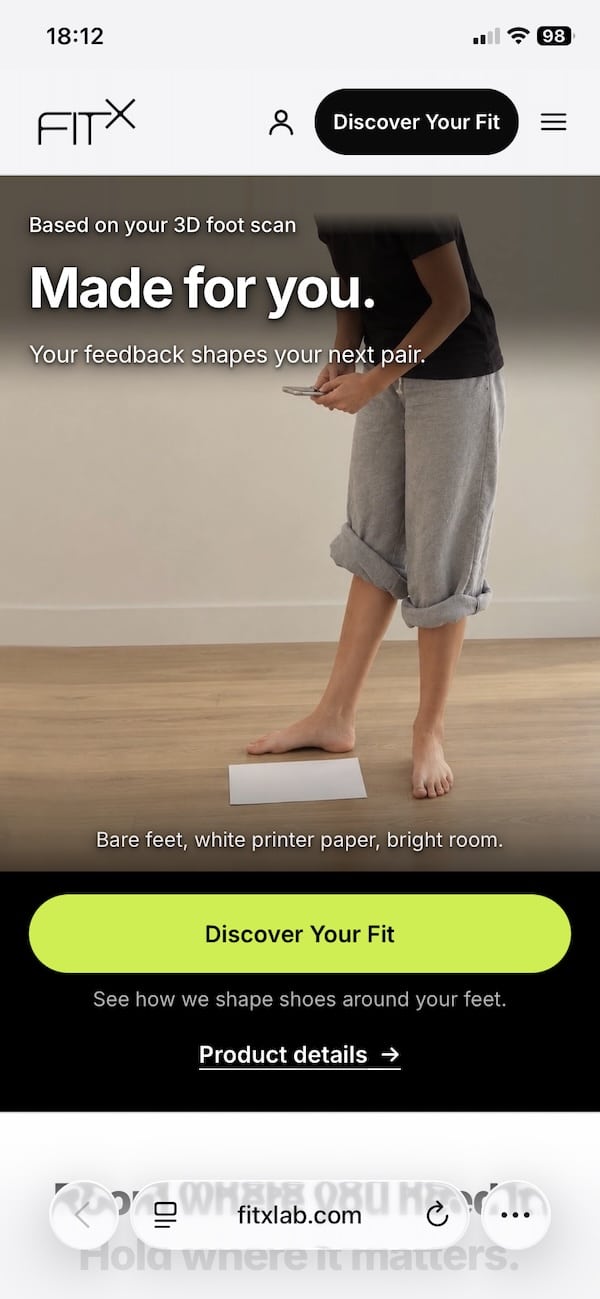
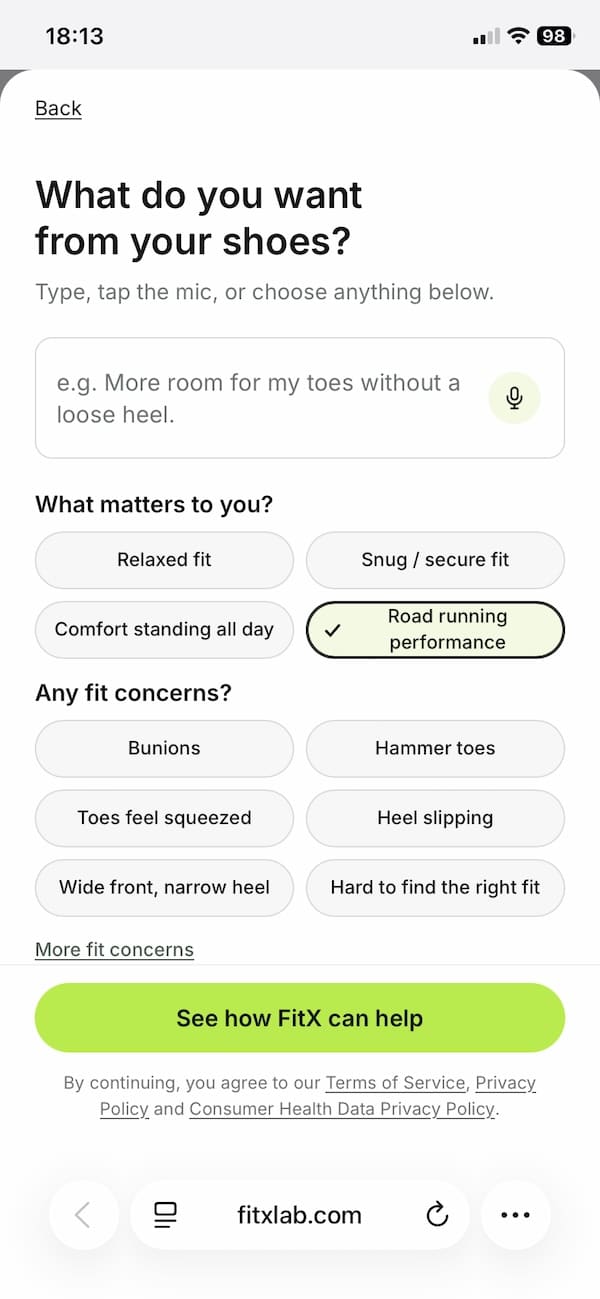
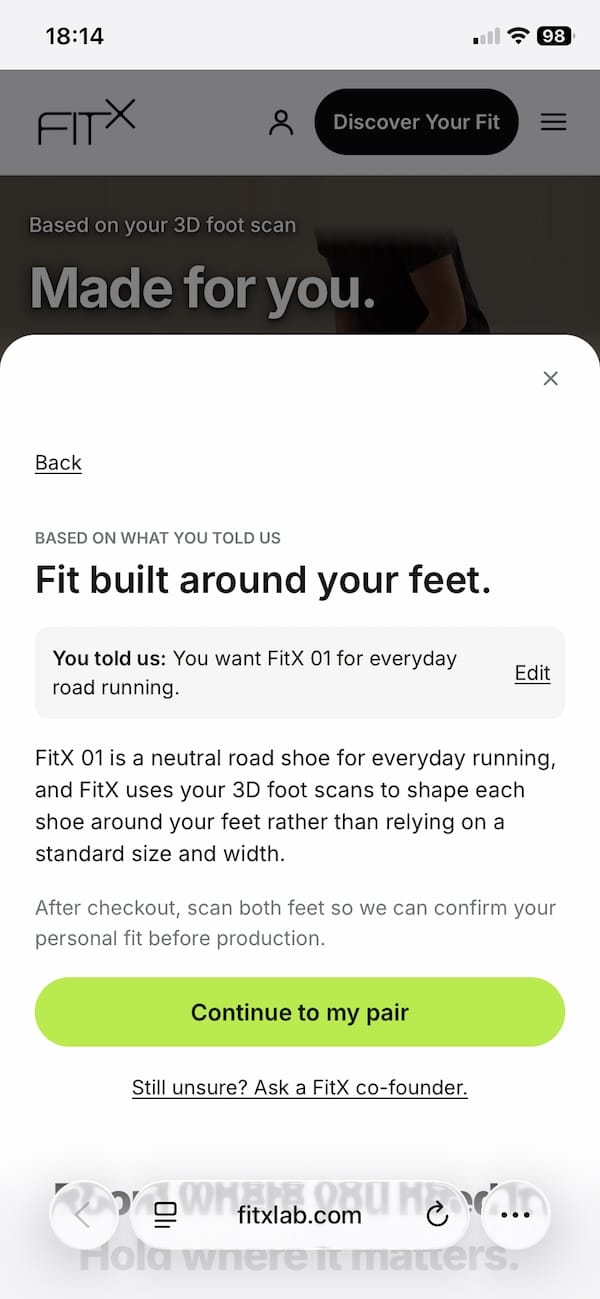
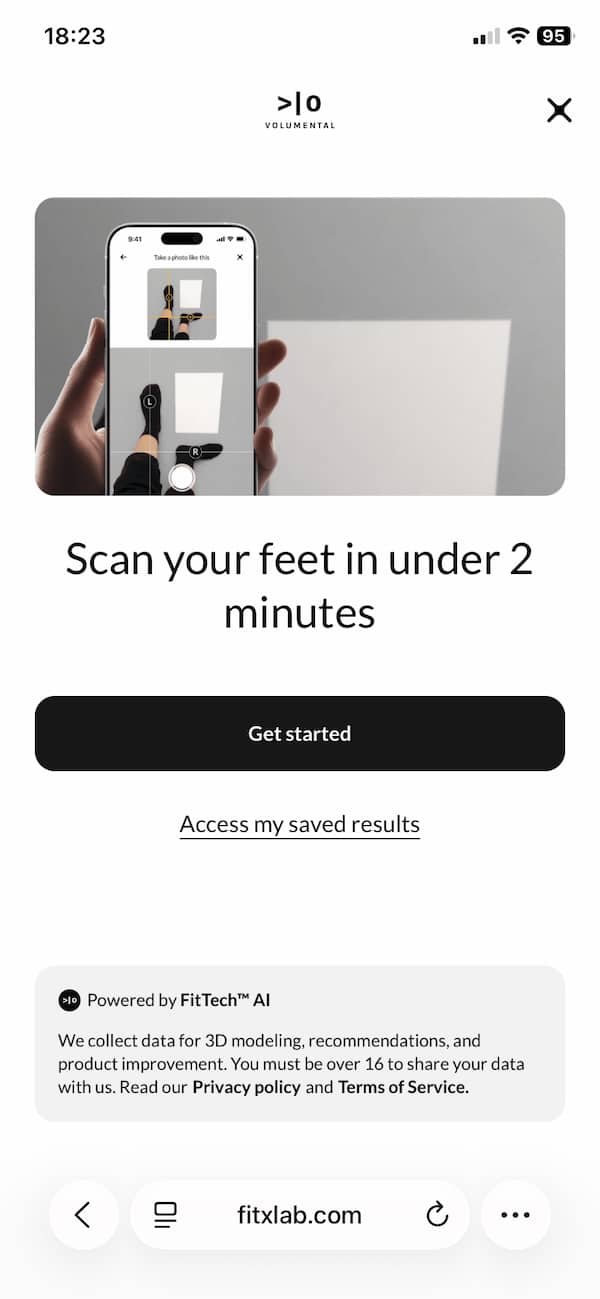
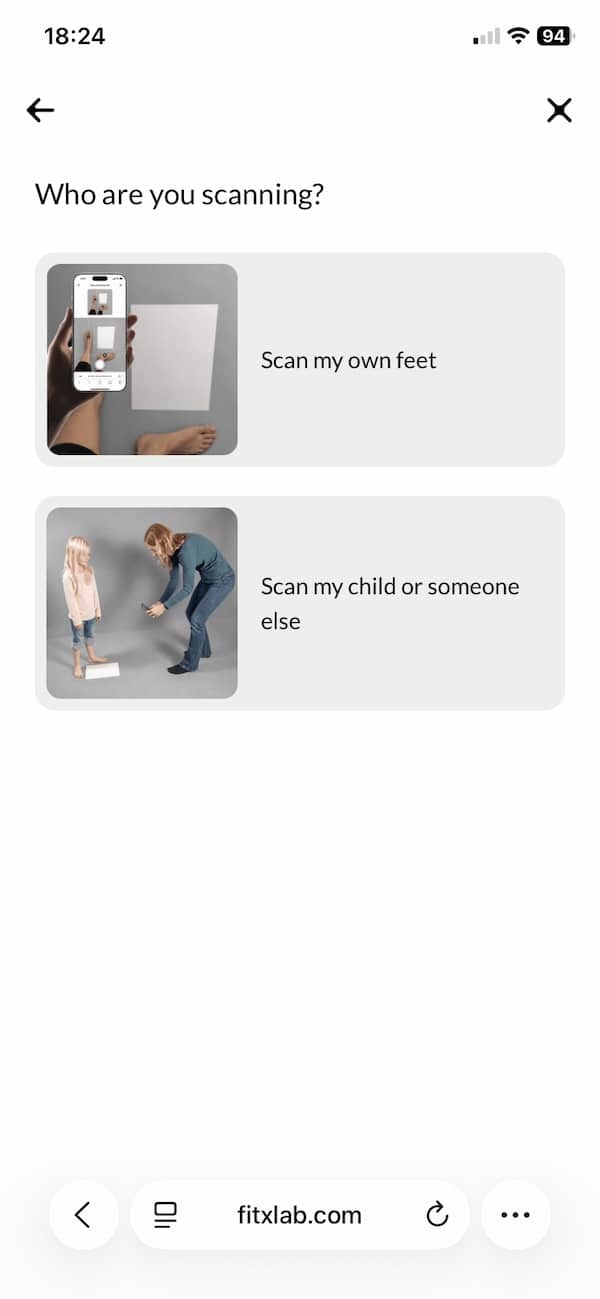
You need bare feet, a clean sheet of A4 or US Letter paper and enough room to take the photos. The paper gives the scanning system a known reference size, while the phone camera captures the shape of each foot from several angles.

The scan itself can be completed in a few minutes. It took me slightly longer because I was documenting everything as I went and deliberately taking screenshots throughout the process. I also had to redo a few photos. At one point the system could not recognise the sheet of paper, and another attempt was rejected because the image was too blurry.
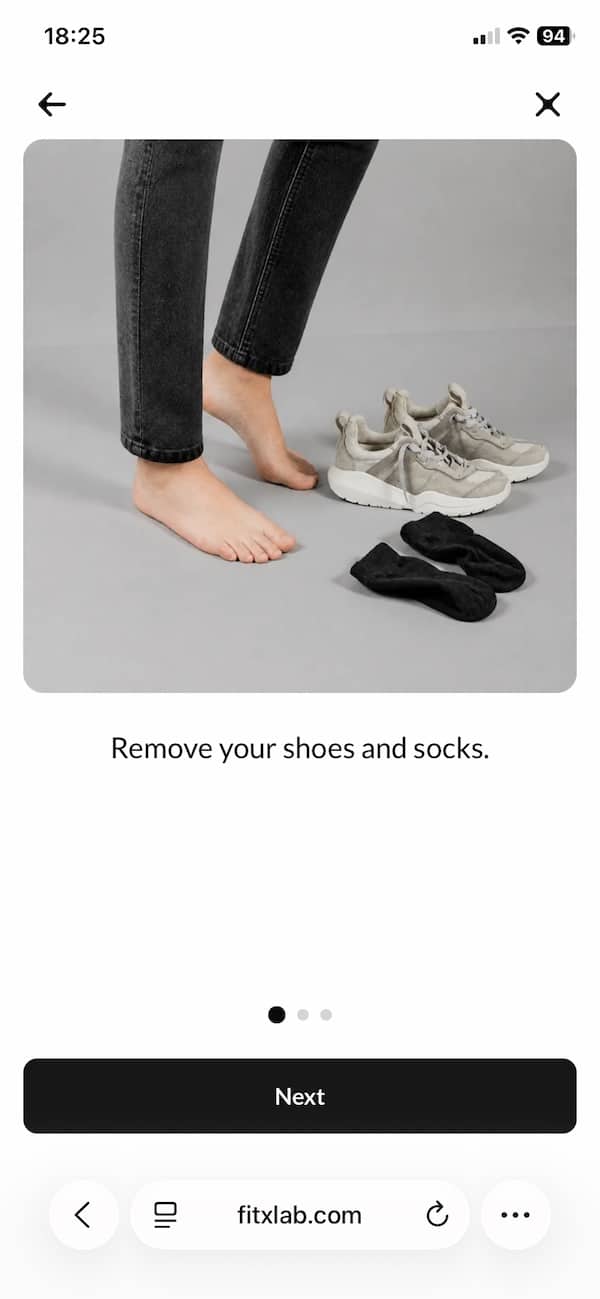
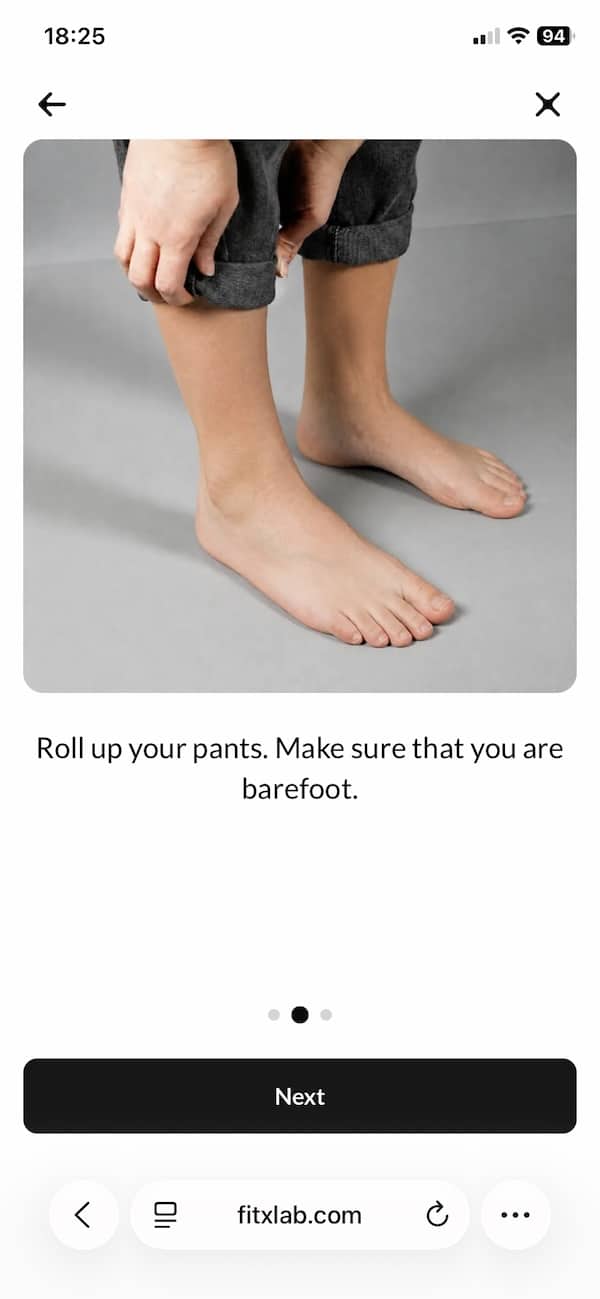
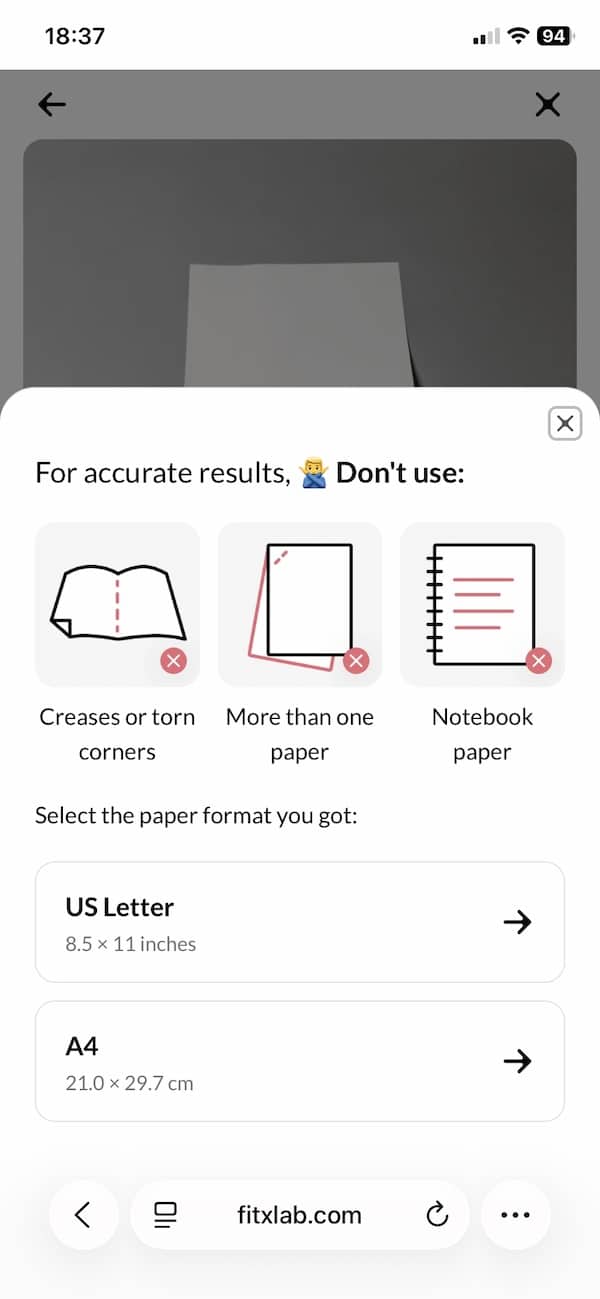
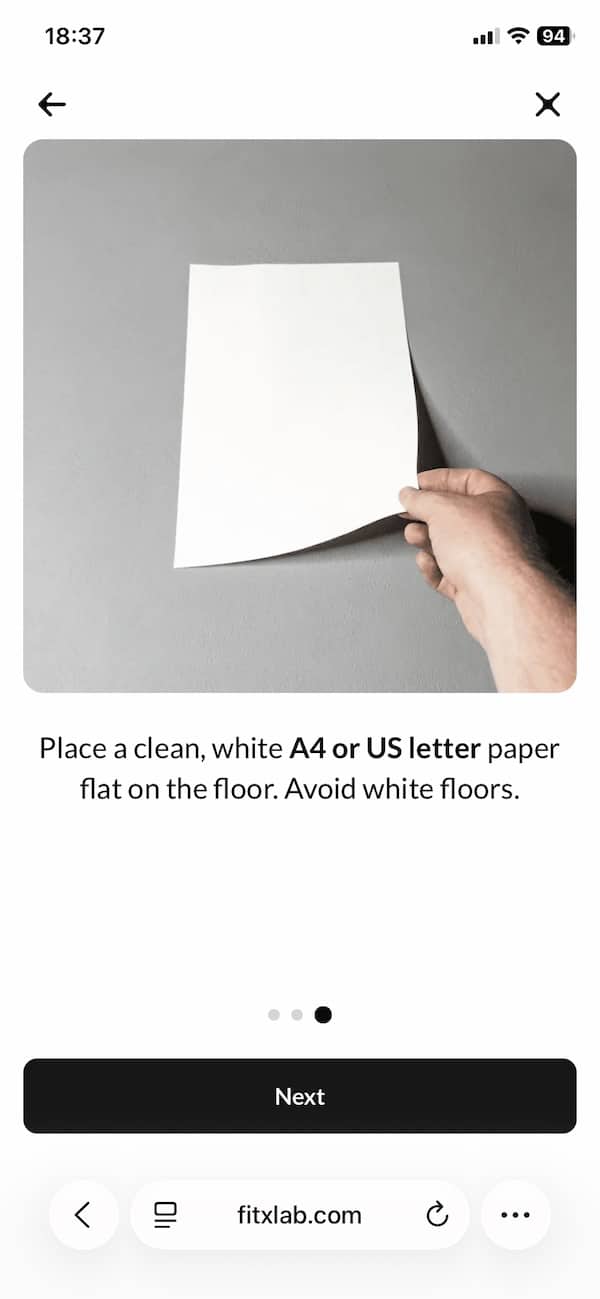
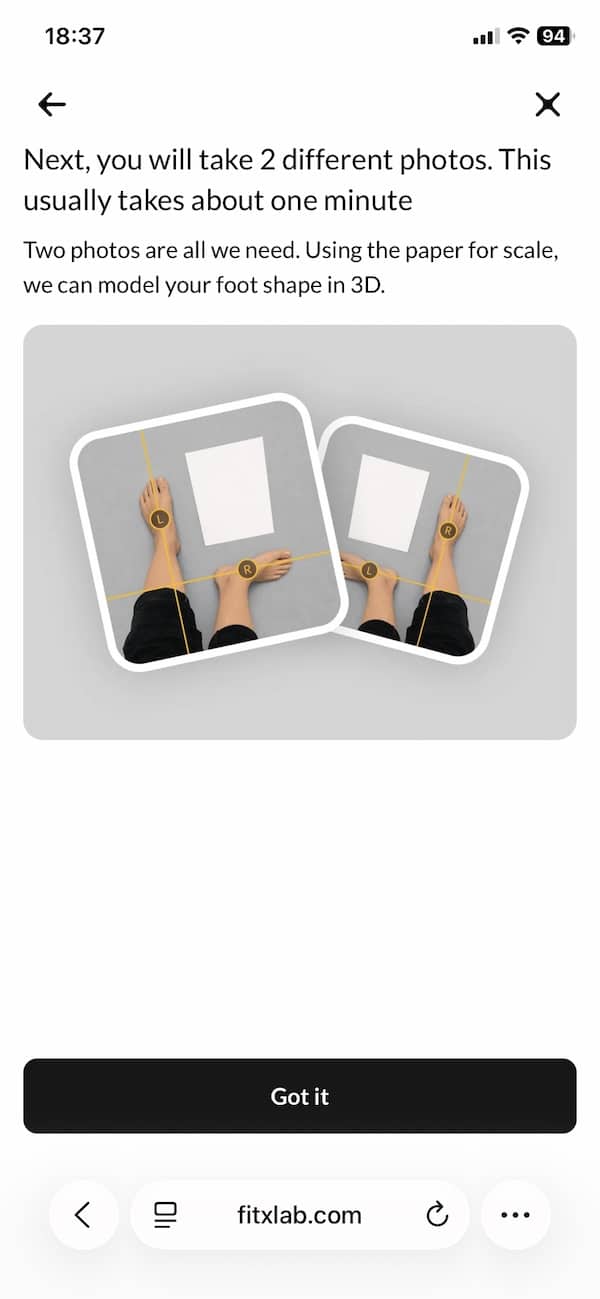
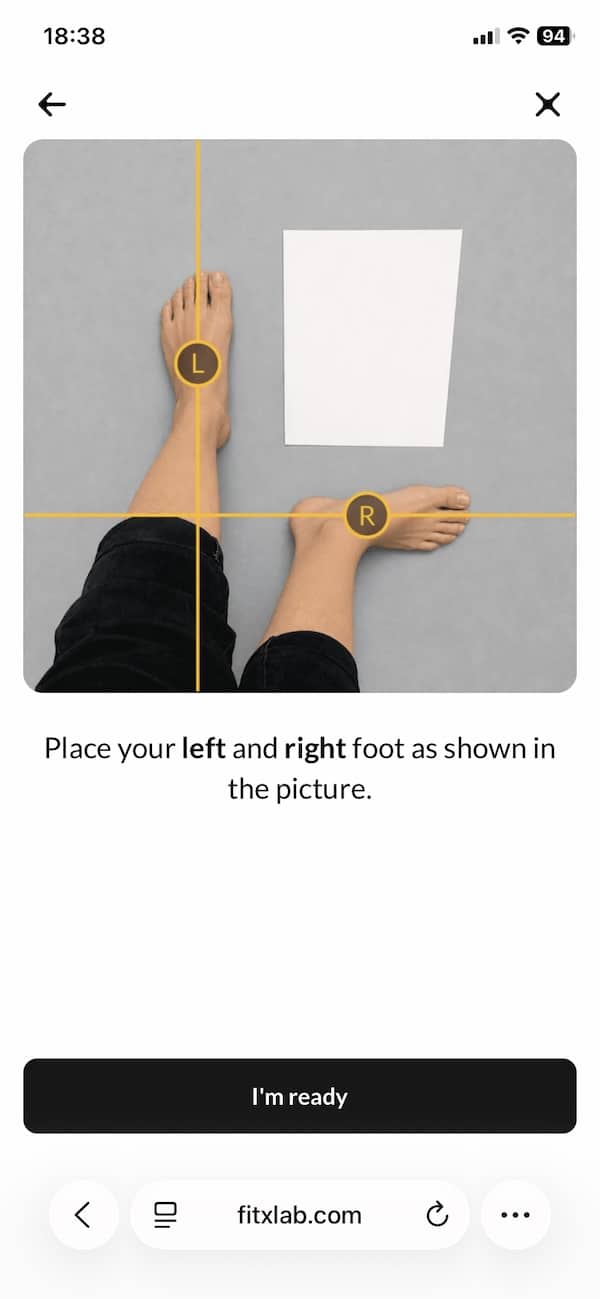
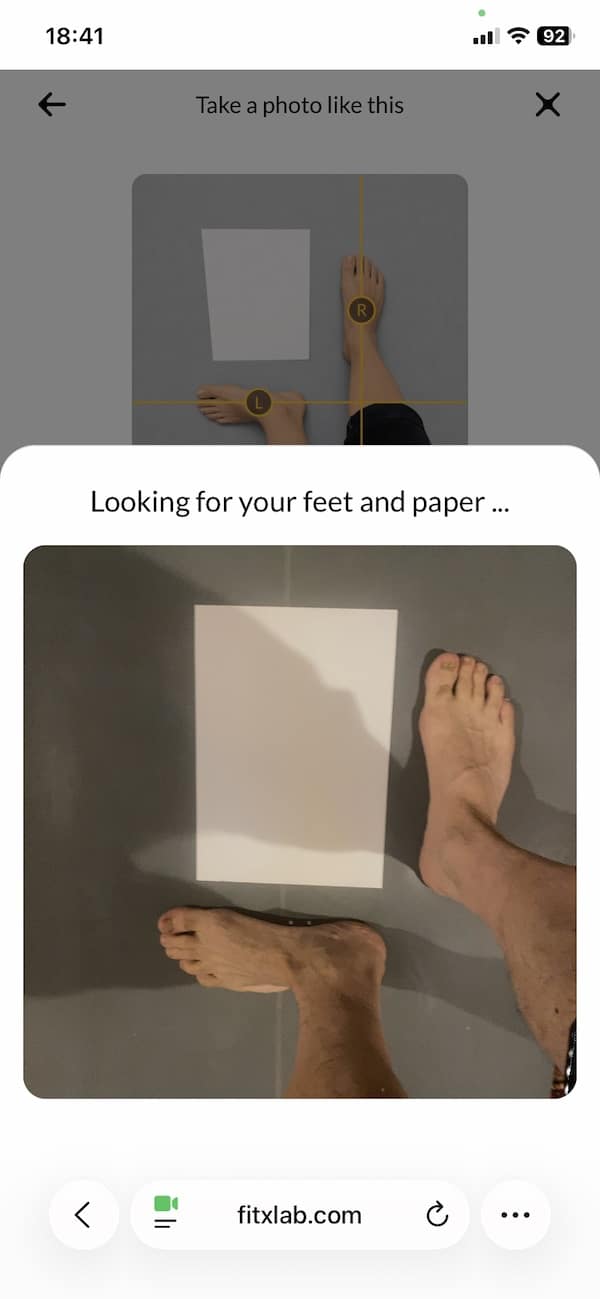
Neither issue was particularly difficult to fix. The app showed what had gone wrong and asked me to retake the image.
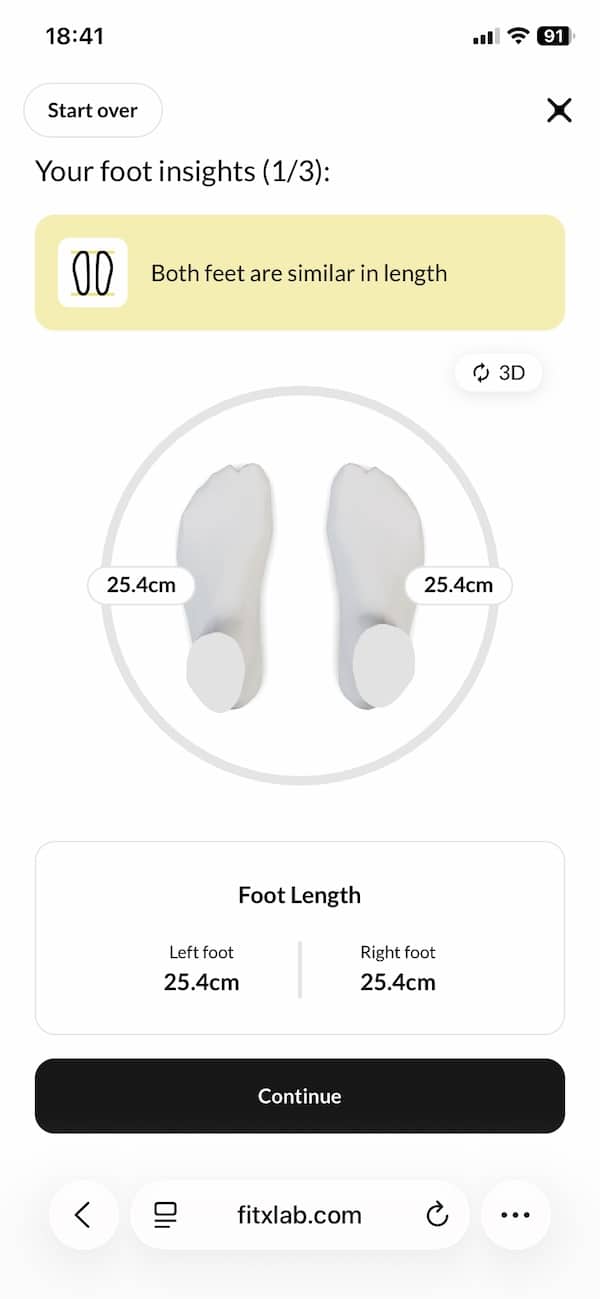
Once the photos were accepted, the interesting bit started. The system processed them into 3D models of my left and right feet.
My feet are the same length but not actually the same
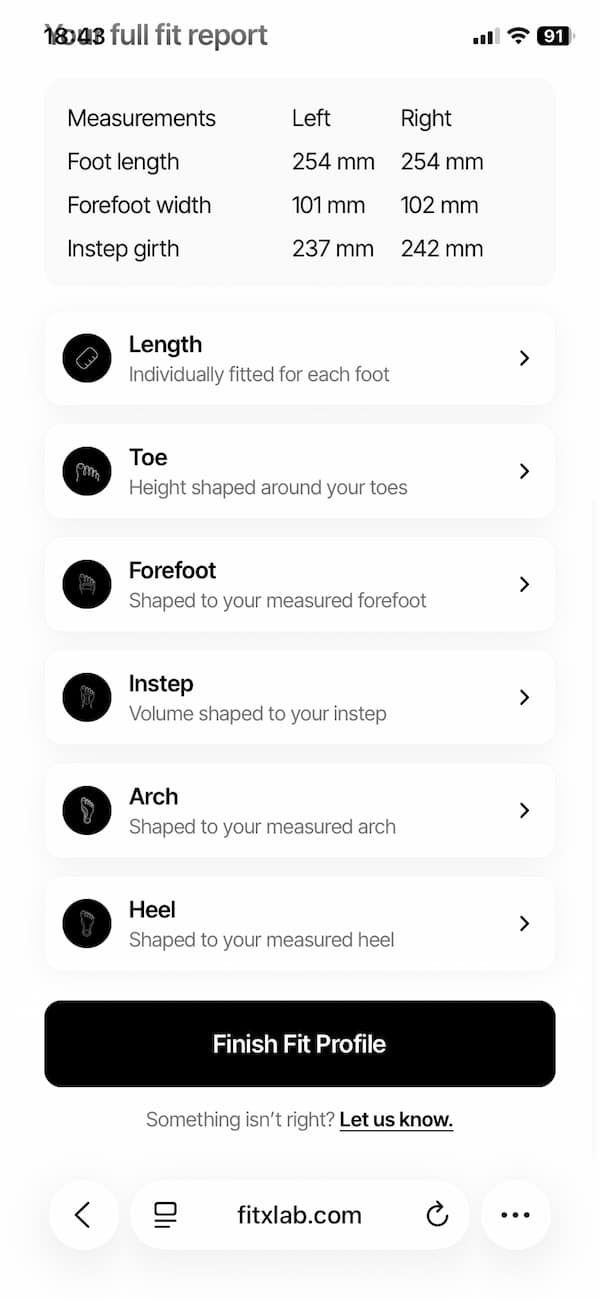
My left foot measured 254 mm long. My right foot measured 254 mm as well, so no surprise there.
Move away from length, though, and differences start appearing. My left forefoot measured 101 mm across while my right measured 102 mm. Instep girth came out at 237 mm on the left and 242 mm on the right.
Those are not enormous differences, but that is partly the point. Most running shoes effectively treat both feet the same because you buy a single size for the pair.
The FitX report goes further by comparing the measurements with other scanned feet. Against male measurements, both of my feet sit around the 31st percentile for length, while the left forefoot is around the 72nd percentile for width and the right around the 82nd percentile.
So I have relatively short feet compared with the reference population, but fairly wide forefeet for that length. That is much more useful information than simply telling me a shoe size.
FitX also asks how shoes normally feel
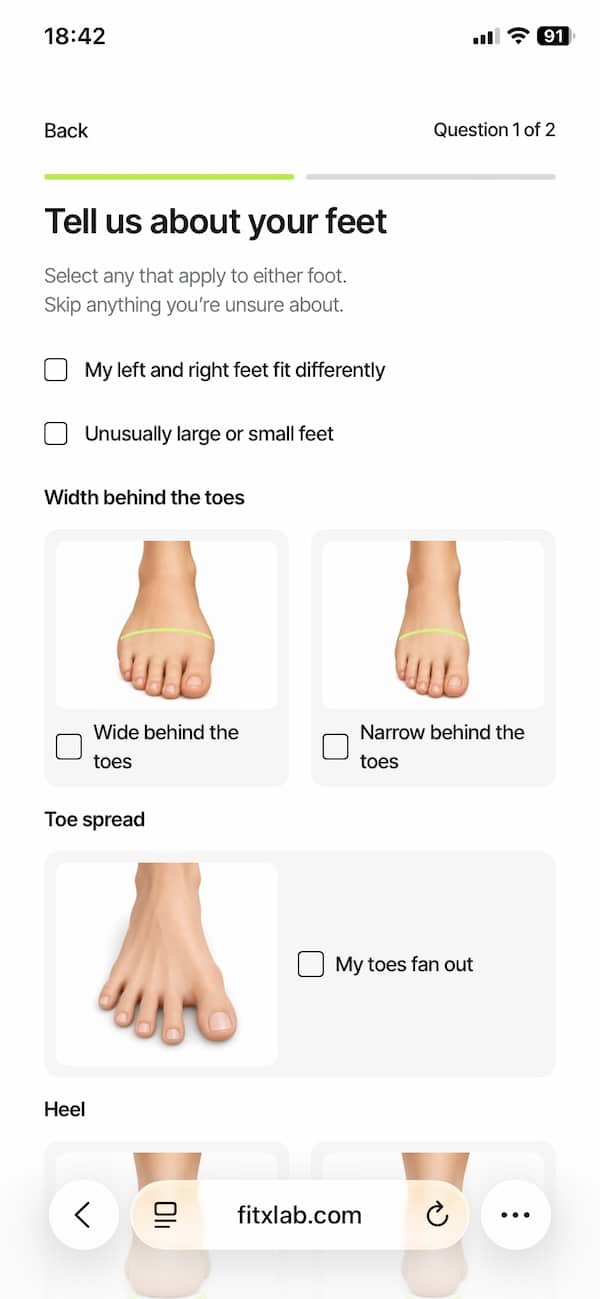
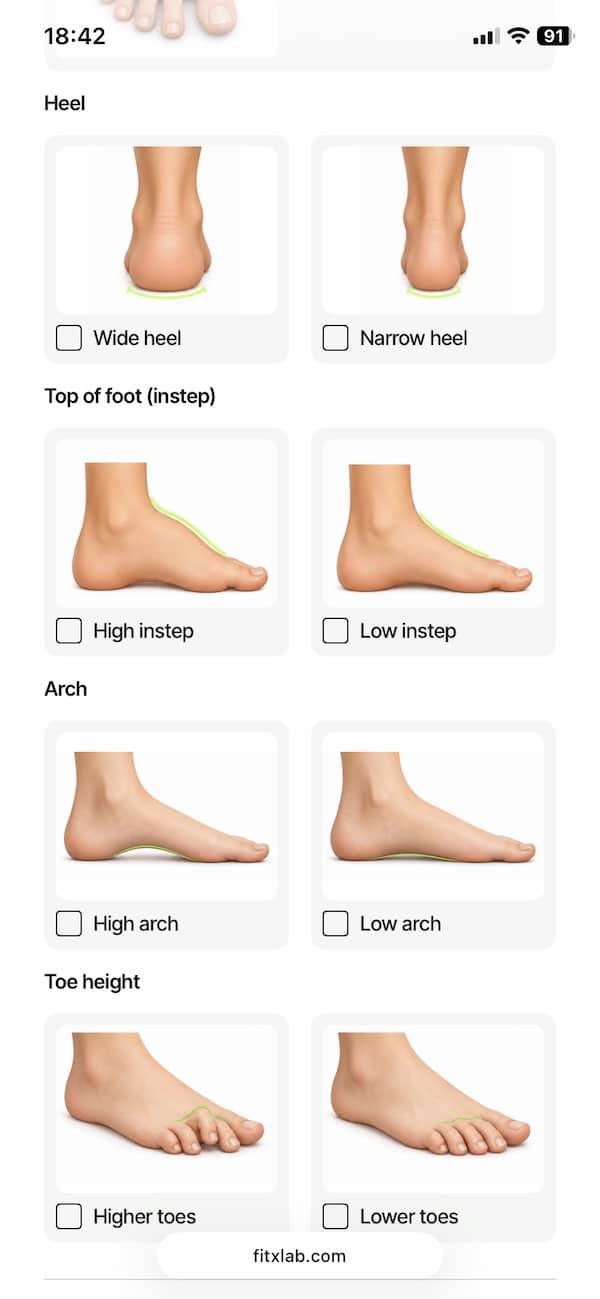
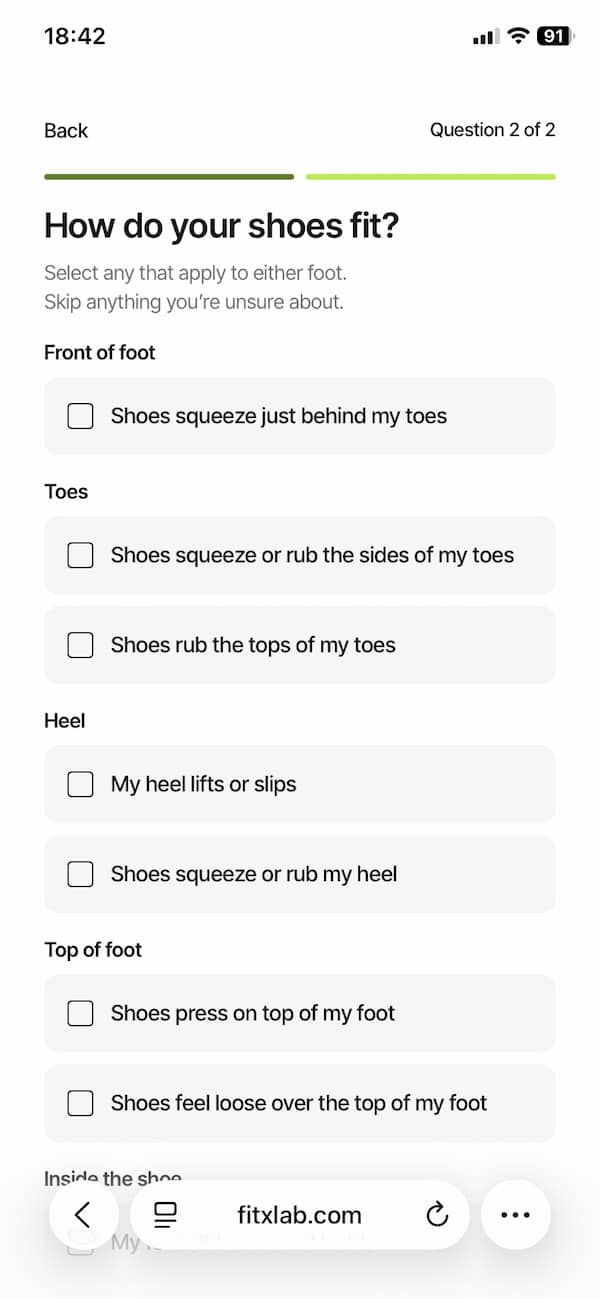
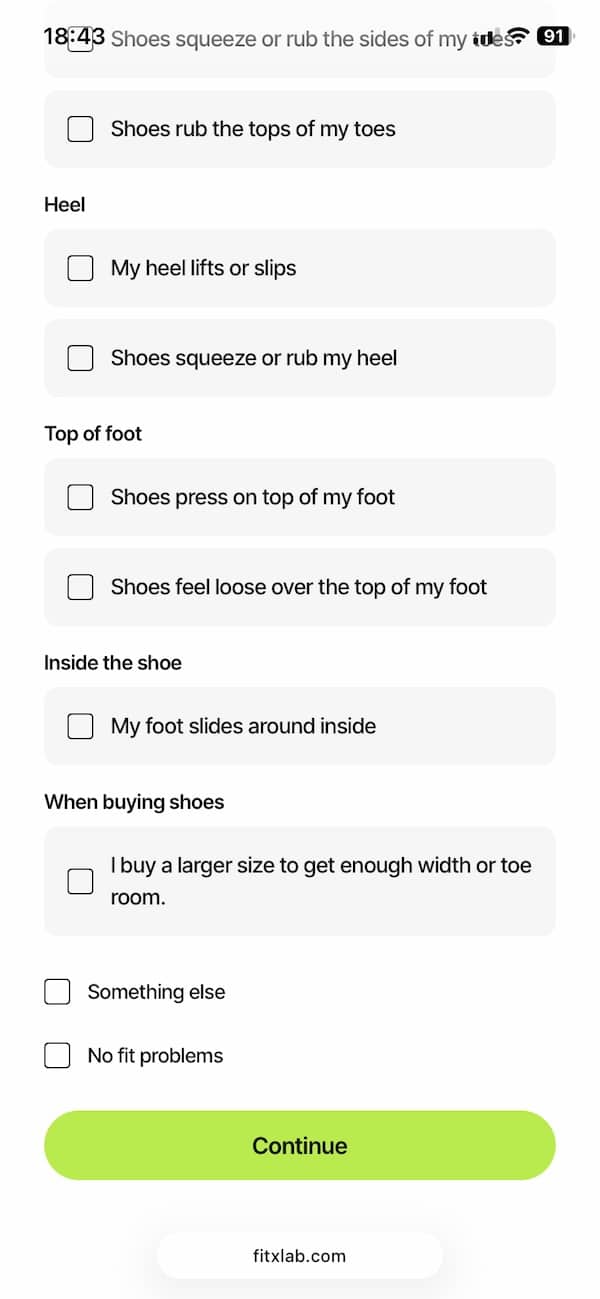
But this is not where the customisation ends. FitX also asks about toe shape, arches, heels and how your current shoes normally fit.
There are questions about whether shoes squeeze behind the toes, rub the sides or tops of the toes, slip at the heel, press on top of the foot or feel loose. You can also tell FitX whether you normally buy larger shoes simply to get enough width or toe room.
I like this part of the process because measurements alone cannot tell the whole story. Two people could have very similar foot dimensions but prefer quite different fits.
My final report said FitX would give me more space above the toes. The scan had identified more height in that area, so the upper will apparently be shaped to accommodate it rather than forcing my foot into a predetermined volume.
The full report then breaks the fit down into length, toe area, forefoot, instep, arch and heel. Each is considered separately for the finished shoe.
According to FitX’s current explanation of the system, the 3D scan and fit preferences are used to shape the upper and midsole, with the left and right feet considered individually. The FitX 01 costs $299, and there is no conventional size or width to select when ordering.
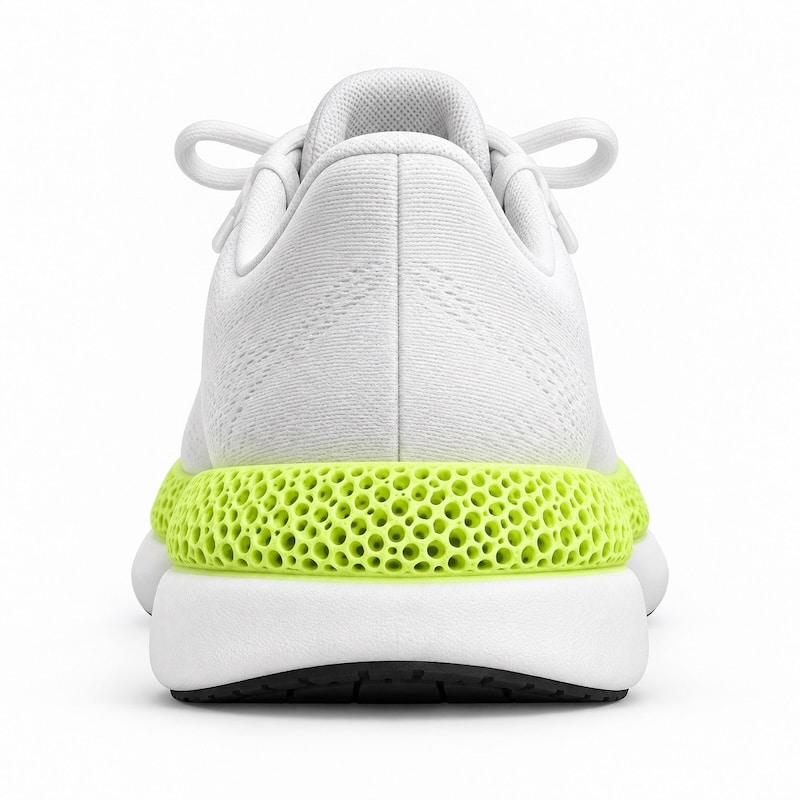
The midsole is particularly unusual. FitX uses a personalized 3D-printed lattice together with a foam base, so this is not simply a standard running shoe with a custom insole dropped inside it.
The scan part has won me over so far
I obviously cannot tell you whether FitX 01 is a good running shoe yet. That judgment starts when the physical pair arrives.
But as a buying process, I like what I have seen so far. The scanning was straightforward enough to complete at home, and the resulting measurements told me considerably more about my feet than I knew beforehand.
My pair is currently targeted for January 2027 delivery. FitX says it is still refining the shoes using feedback from wear testers, so the finished pair I receive should incorporate some of what the company has learned from those earlier units.
Once they arrive, that is when the more important part of this test begins. I already know what the scan thinks is unusual about my feet, so I will be looking closely at whether the extra toe space, different forefoot widths and individual left-right measurements translate into a fit I can actually feel while running.
For anyone who wants to try the process themselves, the FitX 01 purchase page is live now. Code KOL-GADGETSWEARABLES gives $30 off a first pair through December 31.
Don’t miss the latest from Gadgets & Wearables
Subscribe to our monthly newsletter and check out our YouTube channel.
You can also follow Gadgets & Wearables on Google News and add us as a preferred source in Google Search.

