

Google Fitbit Air launches with no screen and a big AI health push
Google Fitbit Air is now official, priced at $99 and available for pre-order. Shipping starts May 26th. The screenless tracker weighs just 12 grams with the band, runs for up to seven days and works without a required subscription, although Fitbit Premium remains available as an optional add on. You can already find the device listed on Amazon in the US.
The earlier leaks had the broad direction right. Fitbit Air is a lightweight, screenless wearable built around passive health and activity tracking rather than apps, maps or smartwatch features. It sits somewhere between a classic Fitbit band and a WHOOP style recovery tracker.
A screenless Fitbit with a tiny pod
The device uses a two part design. The main tracker is a small pod, which Google calls the pebble, and that slots into a swappable band. The pod is made from polycarbonate and PBT plastics, while the band material depends on the version chosen.
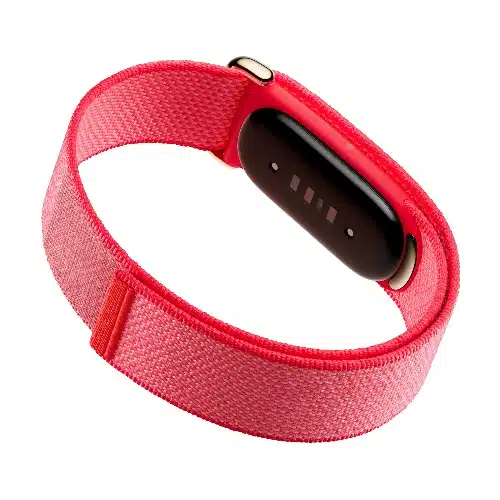
Google is offering three core band types: Active, Elevated and Performance. That gives the device more flexibility than a fixed tracker design, especially for users who want different setups for workouts and everyday wear. There’s also a special Stephen Curry edition.
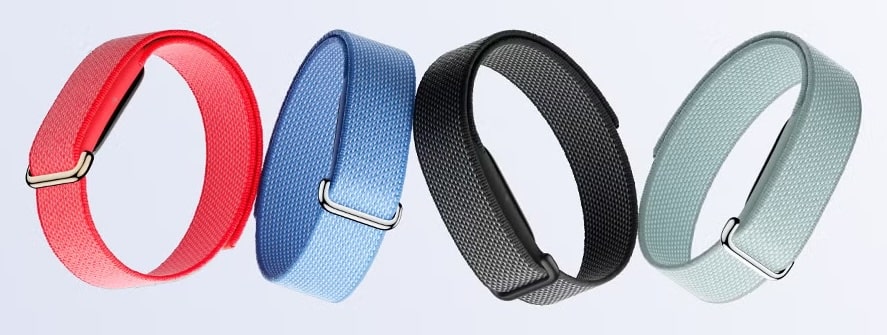
The weight is very low. Fitbit Air comes in at 5.2 grams without the band and 12 grams with the band attached. That is the whole point of this type of device. It is meant to disappear on the wrist and collect data in the background.
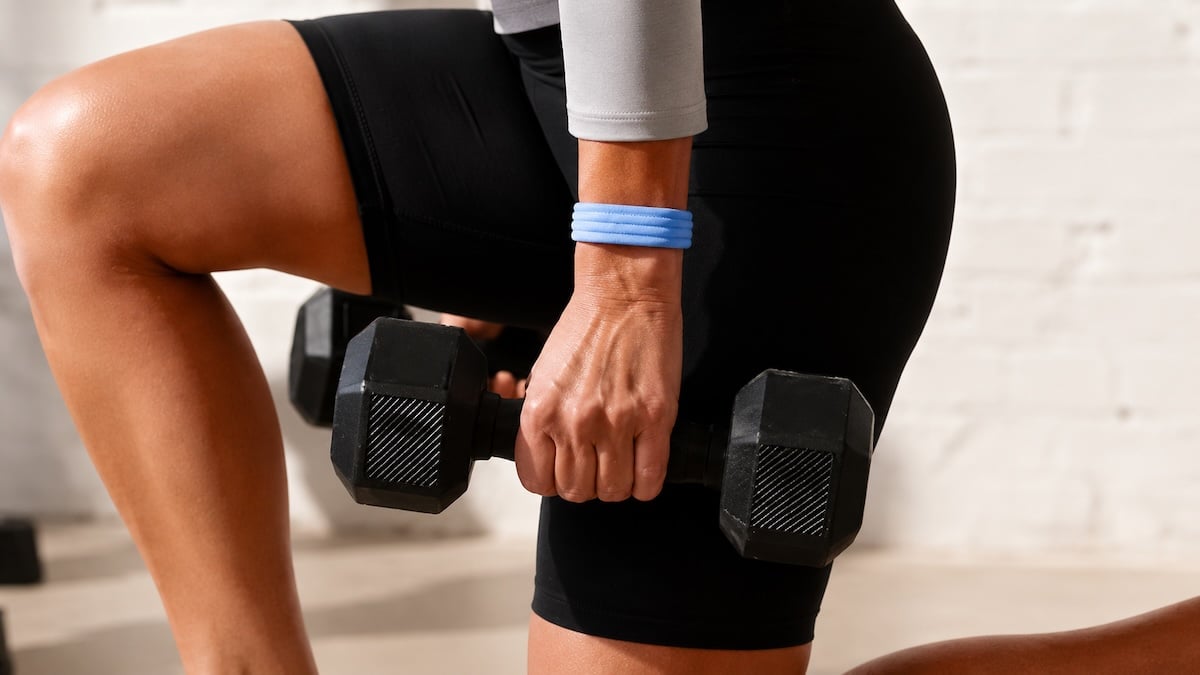
The sensor package is more complete than the design suggests
Fitbit Air tracks sleep, steps and daily activity. It also supports automatic exercise detection, Cardio Load, Daily Readiness and FDA certified background Afib detection. There is no manual ECG feature, so this is not trying to replicate the health toolkit of a Pixel Watch.
The sensor package includes an optical heart rate monitor, red and infrared sensors for SpO2 monitoring, a skin temperature sensor, a 3 axis accelerometer and a gyroscope. That gives Google enough hardware for daily health trends, sleep analysis and basic workout tracking, even without a display. The heart rate setup saves readings at two second intervals.
There is also a vibration motor for smart wake alarms, regular alarms and low battery alerts. A small LED handles battery status and pairing. Bluetooth 5.0 is included, as is heart rate broadcasting to certain equipment and devices, similar to Charge 6.
Battery life and GPS keep it simple
Battery life is rated at seven days. A five minute quick charge gives around one day of use, while a full charge takes 90 minutes. That puts it in familiar Fitbit territory, rather than the multi week range some screenless rivals chase.
The storage setup is slightly odd. Fitbit Air keeps seven days of detailed motion data, but only one day of offline workout data. That should be fine for most users, although it may annoy people who train away from their phone for longer periods.
There is no GPS built into the device. Outdoor workouts use connected GPS from a phone, so runners and cyclists will still need to carry their handset if they want route tracking. Water resistance is rated to 50 metres, so swimming and shower use should be covered.
Fitbit becomes Google Health
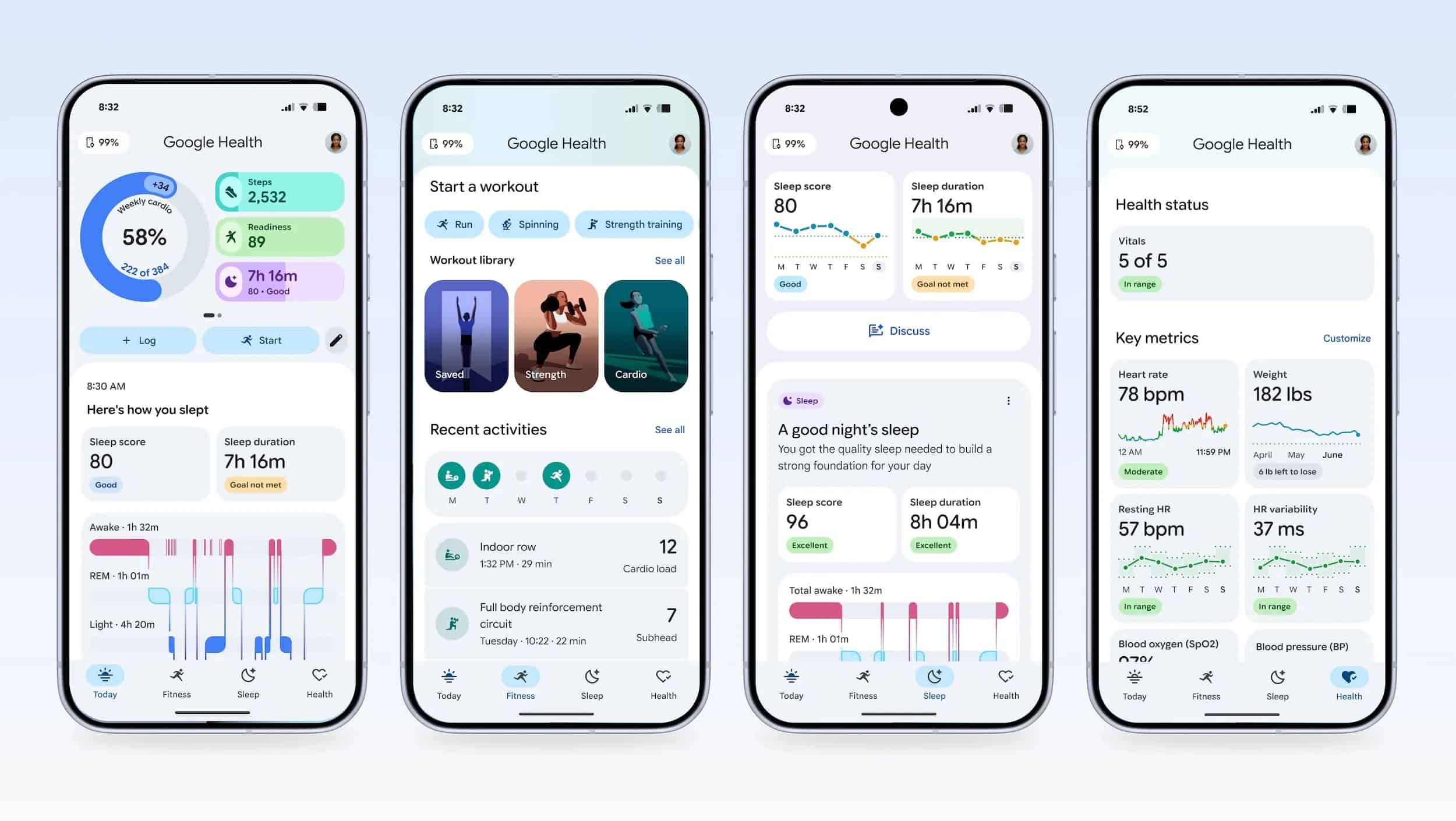
The more important part of this launch may actually be the software side. Google is rebranding the Fitbit app and Fitbit Premium into something called Google Health, continuing the gradual shift away from the Fitbit identity.
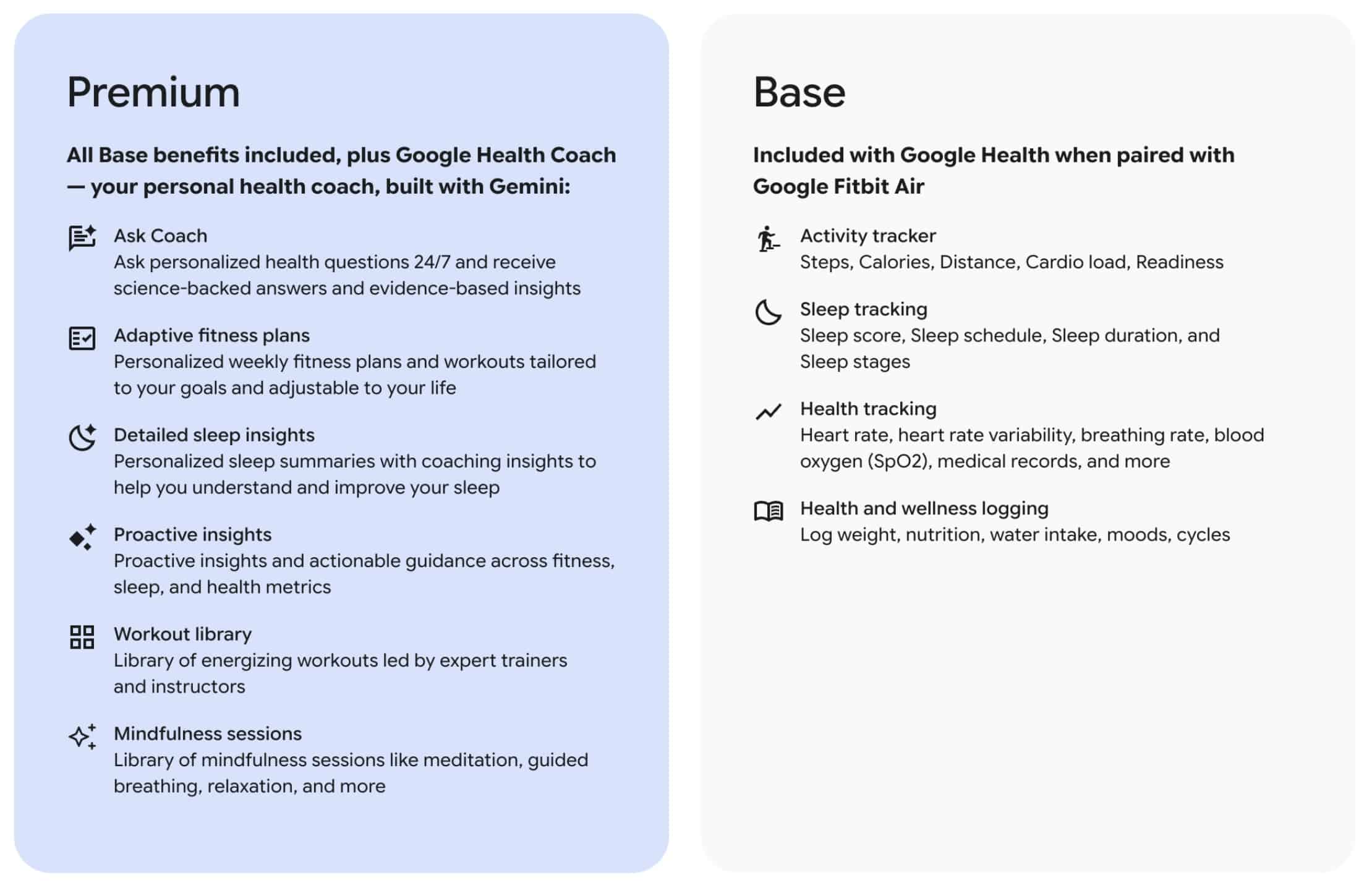
That includes a redesigned app experience built around Google Health Coach, an AI assistant powered by Gemini. According to Google, the assistant can use sleep data, heart rate trends, activity tracking and even meal photos to generate personalised recommendations.
Fitbit Air*
Order nowThe pitch is broader than fitness alone. Google says Health Coach can suggest training plans, sleep advice, recovery guidance, nutrition tips and injury recommendations based on the user’s goals and overall health profile.
In some regions, users may even be able to connect medical records into the system. That gives Google a much larger pool of data to work with than traditional fitness platforms typically use.
Subscription optional, unlike WHOOP
One important detail is that Fitbit Air still works without a subscription. Buyers get three months of Google Health Premium included, but the tracker does not become useless once that expires.
That is a notable difference from WHOOP, where the hardware is tied tightly to the membership model. With Fitbit Air, users can still access the core tracking features without paying monthly fees. The subscription layer mainly unlocks the AI coaching side of the platform.
That could make Fitbit Air appealing to users who want passive tracking without fully committing to another recurring subscription. Granted, the software experience is very different from what you get on Whoop. Which is the main advantage of the other platform.
Google is revisiting an old Fitbit idea
There is also something slightly familiar about this whole approach. Early Fitbit devices were small, simple trackers that faded into the background. They counted steps, logged sleep and stayed out of the way.
Over the years, Fitbit gradually moved toward full smartwatch territory. Fitbit Air feels like Google reversing course a little and returning to the idea that wearable tech does not always need a bright screen attached to it.
Fitbit Air*
Order nowWhether people actually want to move back toward invisible fitness tracking is another question. But after years of increasingly complicated smartwatches, Google clearly thinks there is room again for something simpler
For a clearer view of the whole category, our best screenless fitness tracker guide compares the leading models by comfort, training features, recovery tools and long-term cost.
Feature | Google Fitbit Air |
|---|---|
Price | $99, no subscription required |
Optional subscription | Fitbit Premium, $9.99/month or $79/year |
Design | Two-part device with pebble pod and swappable band |
Band options | Active, Elevated, Performance. Special Stephen Curry edition. |
Materials | Polycarbonate and PBT plastics pod, band material varies |
Weight | 5.2g without band, 12g with band |
Battery | Up to 7 days, 5 min quick charge for 1 day, 90 min full charge |
Data storage | 7 days motion data, 1 day offline workout data |
Tracking | Sleep, steps, daily activity, automatic workout detection |
Training metrics | Cardio Load, Daily Readiness |
Heart health | FDA-certified background Afib detection, no manual ECG |
Sensors | Optical HR, red and infrared SpO2, skin temperature, 3-axis accelerometer, gyroscope |
Heart rate | Saved at 2-second intervals, HR broadcasting supported |
GPS | Connected GPS via phone, no built-in GPS |
Connectivity | Bluetooth 5.0 |
Alerts | Vibration motor for smart wake alarms, regular alarms and low battery alerts |
Indicator | Small LED for battery status and pairing |
Water resistance | 50 metres |
Compatibility | iOS 16.4 or later, Android 11 or later |
Availability | Available now, shipping starts May 26, 2026 |
Don’t miss the latest from Gadgets & Wearables
Subscribe to our monthly newsletter and check out our YouTube channel.
You can also follow Gadgets & Wearables on Google News and add us as a preferred source in Google Search.


Whilst I can understand some people want the supposed simplicity, I like the simplicity of having a Fitbit that can show me the time, number of steps and battery remaining without having to use a mobile app.
Agreed- are there any new advances in the sensors? Or is it the same thing sans screen? I like the alarm function
Agree 100%. I want a watch with extras, not a band that I still have to wear a watch with – we don’t all have our phones with us 24/7 and I need to be able to see the time if I can’t have my phone with me.
I agree with you. I would like the info available to see. I have a heart condition, and like to see my pulse at all times without going to an app. That is very important to me and my doctor. I need to see what is happening with my pulse if I experience symptoms, and it is so easy for me now. I would like more info posted on the watch; possibly temperature, blood pressure, and current oxygen level. Some of the cheaper watches have that, so I do not see why google watches don’t have that now. I like the premium programs, and hope they continue with them.
I am the target market for this. I love the data and the tracking, but I absolutely do not want another screen on my wrist. I lead an organization and I get too many notifications as it is, even with actively managing them. I need to be able to only see notifications when I intentionally want to, which is where a product like this helps me.