

Fitbit Air works with Pixel Watch, but not other Fitbits
Fitbit Air may be designed as a light, screenless companion, but it comes with an important catch for existing Fitbit users. It can pair alongside Pixel Watch, but not as a second active device alongside older Fitbit trackers such as Charge, Inspire, Versa or Sense.
That makes the product less flexible than it first appears. Someone who owns a Pixel Watch can use Air as a smaller device for sleep, workouts or charging gaps. Someone who owns a classic Fitbit tracker cannot use it in the same neat way without replacing their current device or going through manual device switching.
The Pixel Watch gets the better setup
The device is meant to fill the space between a smartwatch and a tiny health band. It makes most sense as a device you wear when you do not want a screen on your wrist.
That is a good pitch for Pixel Watch owners. They can wear the watch during the day, then move to Fitbit Air for sleep or situations where a larger watch feels clumsy. The two-device idea makes Google’s wearable ecosystem feel more complete.
But older Fitbit users are in a different position. A Charge, Inspire, Versa or Sense owner cannot simply add Air as a second active Fitbit device in the same account and move between them freely. That makes Air feel less like a general Fitbit companion and more like a Pixel Watch accessory.
Existing Fitbit owners are the awkward fit
This is where the product story gets awkward. Fitbit built its user base on simple, long-lasting trackers. Many of those users have no interest in wearing a full smartwatch. They may want Air precisely because it feels closer to classic Fitbit thinking. So they may have a Sense or Versa but want the option of switching over to something more lightweight from time to time.
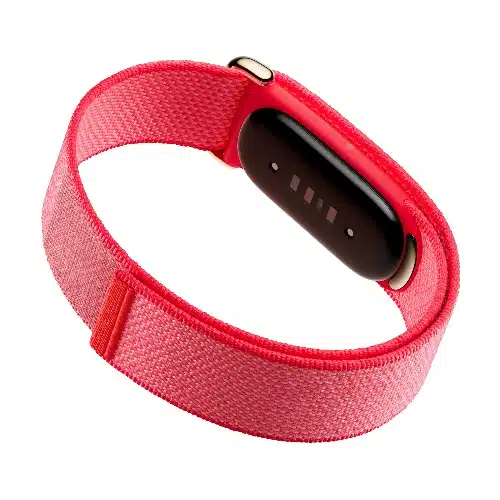
Fitbit Air*
Order nowUnfortunately, the software side does not support this. The Air cannot sit alongside those older devices as a second active tracker. Which means users have to choose which one gets paired.
That is a much harder sell. A Charge owner already has a screen, basic workout tracking and multi-day battery life. An Inspire owner already has a compact tracker. A Versa or Sense owner already has a broader Fitbit smartwatch. Air may still have appeal, but not if adding it means disrupting an existing setup.
Google may have a technical reason for the split. It may want to build the clean multi-device experience around Pixel Watch because that gives it more control over the full stack. Pixel Watch also fits Google’s wider strategy better than older Fitbit hardware.
But from a user point of view, that explanation only goes so far. Fitbit owners tend to think in terms of their account and data, not Google’s product hierarchy. They want the app to follow the person, not force a choice between devices.

This makes Air feel narrower than expected
The limitation changes how Fitbit Air should be understood. It is not a universal Fitbit add-on. It is best viewed as a companion for Pixel Watch users, or as a standalone Fitbit device for people who do not already rely on another tracker.
That does not make Air pointless. It may still suit people who want a screenless tracker and are happy to use it as their main device. It may also be useful for Pixel Watch owners who want better comfort during sleep or longer tracking gaps between watch charges.
But it does weaken the appeal for Fitbit’s existing tracker base. And Google should make this clearer. A simple compatibility note would avoid confusion and reduce the risk of returns.
This is only one part of the current screenless tracker market. Our complete comparison also includes Garmin CIRQA, Fitbit Air, WHOOP, Helio Strap and Polar Loop.
Don’t miss the latest from Gadgets & Wearables
Subscribe to our monthly newsletter and check out our YouTube channel.
You can also follow Gadgets & Wearables on Google News and add us as a preferred source in Google Search.

