

From smart rings to tennis robots – the best fitness tech at IFA 2026
IFA 2026 was full of humanoid robots, scooters and enormous TVs, but there was a surprisingly good amount of health and fitness tech buried between them. I spent my time in Berlin digging through the wearable halls and smaller booths, and these are the devices that stood out.
Before getting to the wearables, the robots need a mention. Humanoid robots were easily among the biggest crowd magnets at Messe Berlin, and the biggest gatherings I saw were around the little rings where people could watch robots fight each other. For some reason, putting two robots opposite each other and letting them throw punches seems to be exactly what trade show visitors want to see!

Mobility was everywhere too. Electric scooters, e-bikes, powered mobility devices and various machines designed to help people move around occupied a surprisingly large amount of floor space. In some ways, that ended up overlapping with fitness tech more than I expected.
Smart rings and watches
Let’s start off with smart rings as they had a pretty strong presence. RingConn, Ultrahuman and several smaller brands were there, but they were mainly showing products that had already launched rather than announcing another generation of hardware.
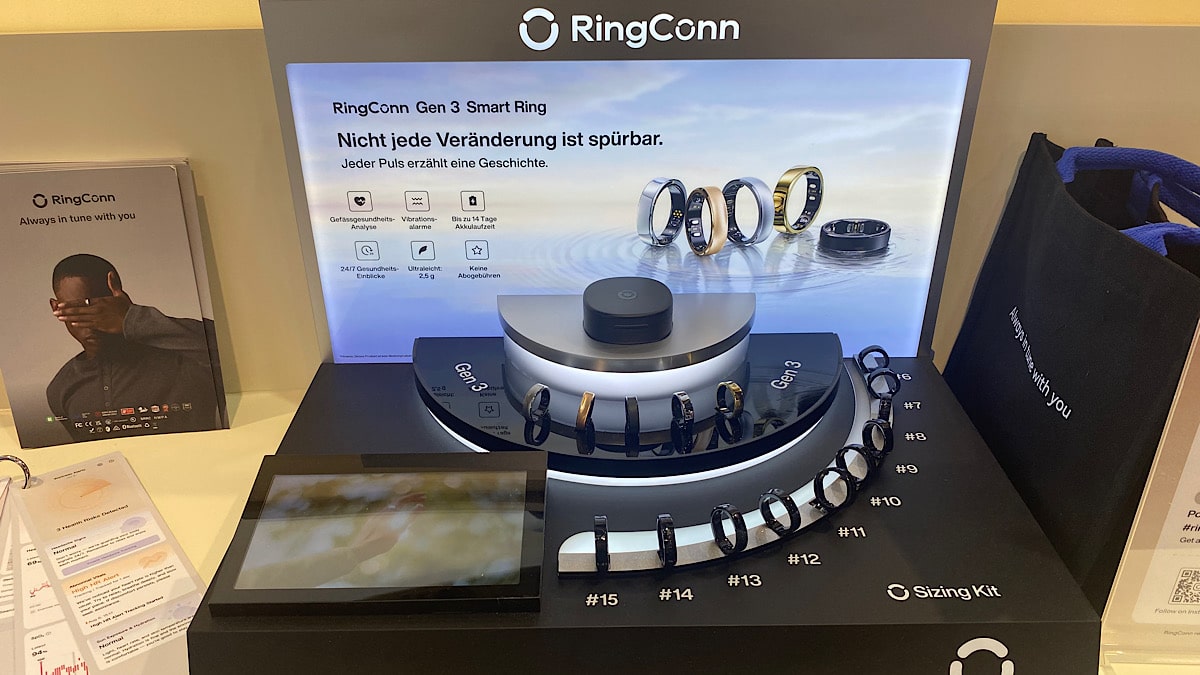
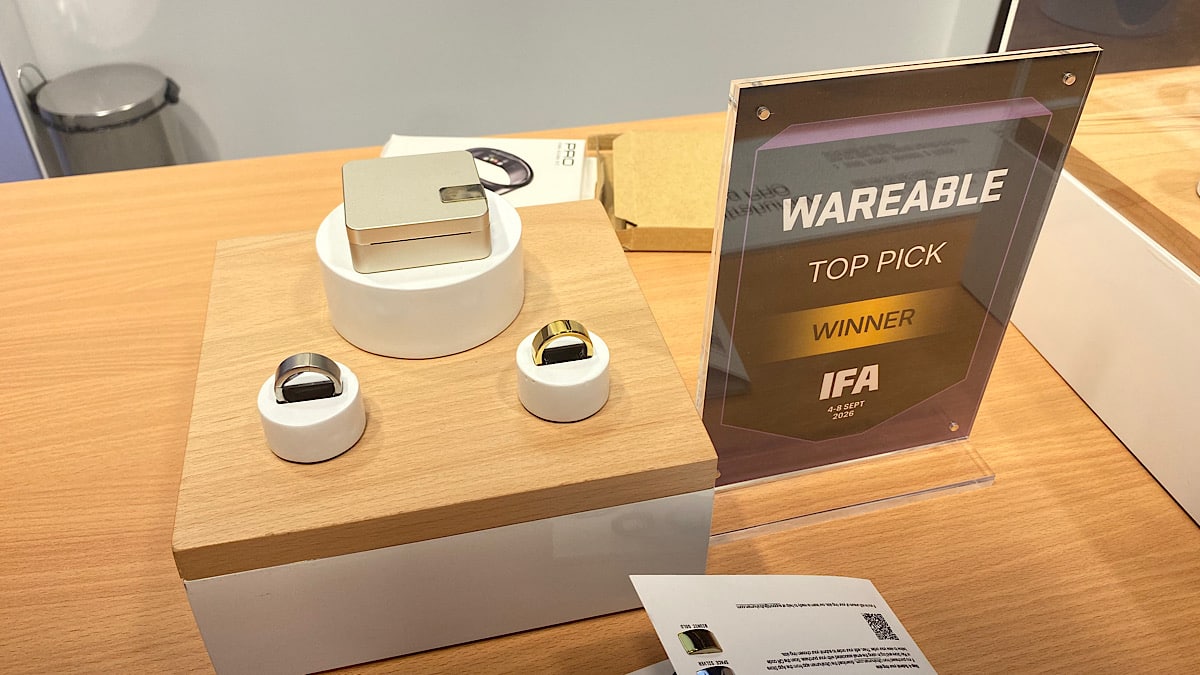
Circular was the exception. It used IFA to unveil the Circular Ring 3 Pro and Ring 3 Slim, and there are some genuinely interesting changes here. Both bring haptic vibrations back to the finger and add NFC payments, while Circular has also made the hardware slimmer and pushed battery life further.
The Ring 3 Pro gets the bigger health feature list, including ECG, blood pressure trends and glucose trend estimates alongside the usual heart rate, HRV, temperature, sleep and activity data. Whether all of those health features ultimately live up to their billing will need testing, but Circular is at least trying to make the smart ring do something beyond the usual.
There was considerably less happening with traditional smartwatches. Samsung and Xiaomi had plenty of wrist hardware on show, but most of it was already familiar.
Motorola provided one of the more interesting exceptions with the Moto Watch Ultra. This is Motorola going properly back into Wear OS, with Wear OS 6, LTE, dual-band GPS and Polar providing much of the fitness platform.
It is a very different proposition from the lighter Moto Watch announced earlier this year. The Ultra is a full smartwatch, complete with Google apps, payments and cellular connectivity, wrapped around a 46mm stainless steel case and a very bright OLED display.
Screenless trackers had a strong show
IFA also reinforced something that has become difficult to ignore in 2026. Screenless fitness trackers are suddenly everywhere.
Actxa had one of the stranger examples with its Spark Band. It looks like a fairly ordinary screen-free health band, but it can produce an estimated glucose value in around a minute using optical PPG data and an AI model.
That does not turn it into a CGM, and Actxa isn’t positioning it as a device for diagnosing or managing diabetes. Still, glucose estimates from a $149 wristband are going to get attention, particularly if independent testing eventually shows that the readings are consistent enough to be useful for general wellness trends.
Luna was also at IFA with the Luna Band, which has now moved from its earlier preview phase into worldwide shipping for $149. There is no display, and the idea is to collect heart rate, HRV, temperature, sleep, training and recovery data while Luna’s LifeOS software handles most of the interpretation. I am testing that one at the moment, so look for my review in the weeks to come.
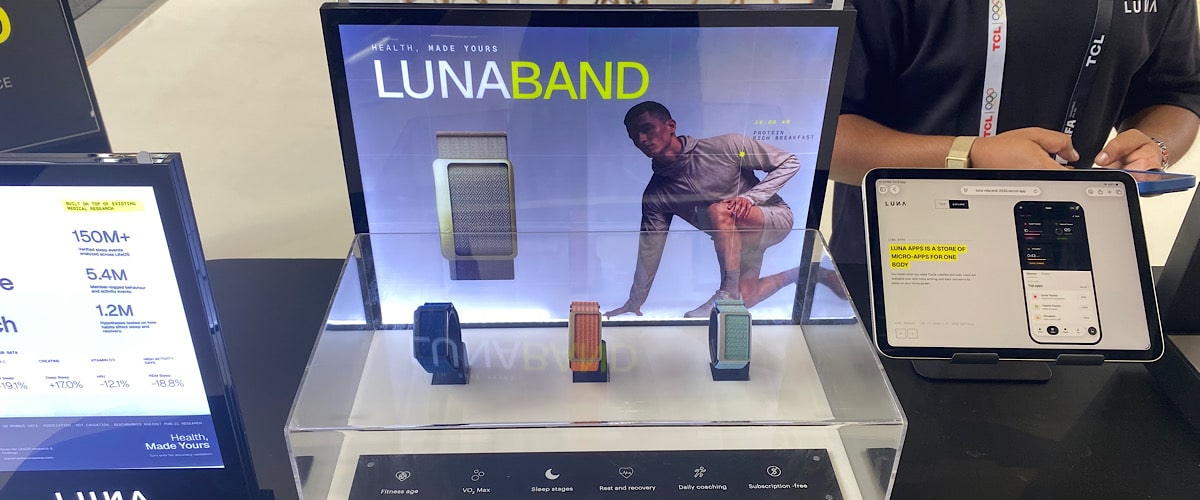
The lack of a subscription is a big part of the pitch. The screenless category is getting crowded very quickly, so the interesting question now is less about whether a band can record HRV and sleep and more about which company can actually turn all of that information into something useful.
Speediance took a different route with its first wearable. This is another device I am currently testing. It uses greenteg technology to estimate core body temperature from the wrist, which made it one of the more unusual fitness trackers I came across at the show.
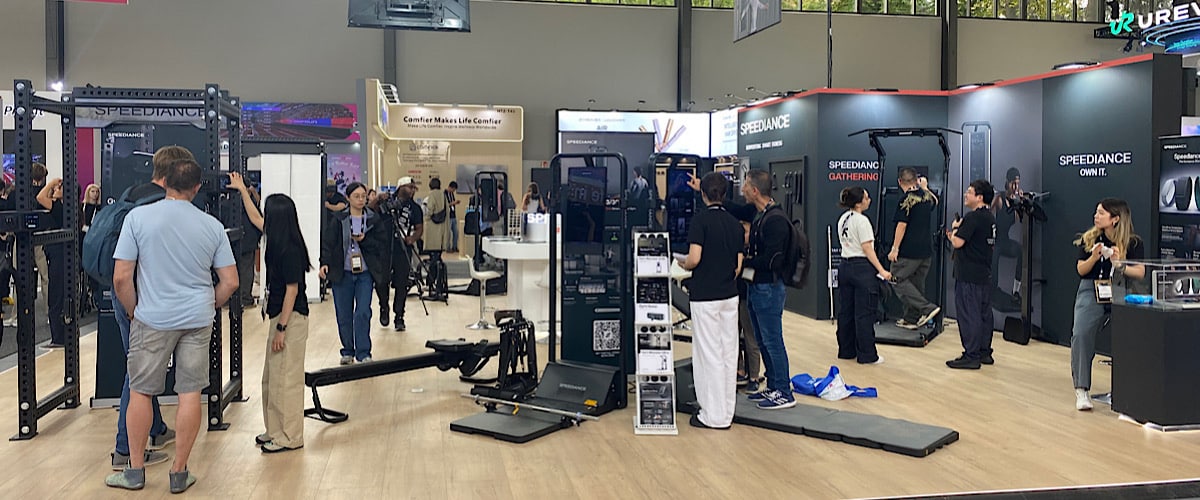
That has some obvious applications during longer or harder workouts, where rising internal temperature can become an important part of how the body responds to the session. Speediance is also building strength training into the platform, including exercise recognition, training volume, movement and velocity trends, which makes sense given the company’s background in connected gym equipment.
The same company also had its new Gym Monster 3 at IFA. It is obviously not a wearable, but a connected strength system with digital resistance, a large display, coaching and performance analysis belongs in this conversation just as much as another wrist tracker does.
Health and sleep tech went beyond another score
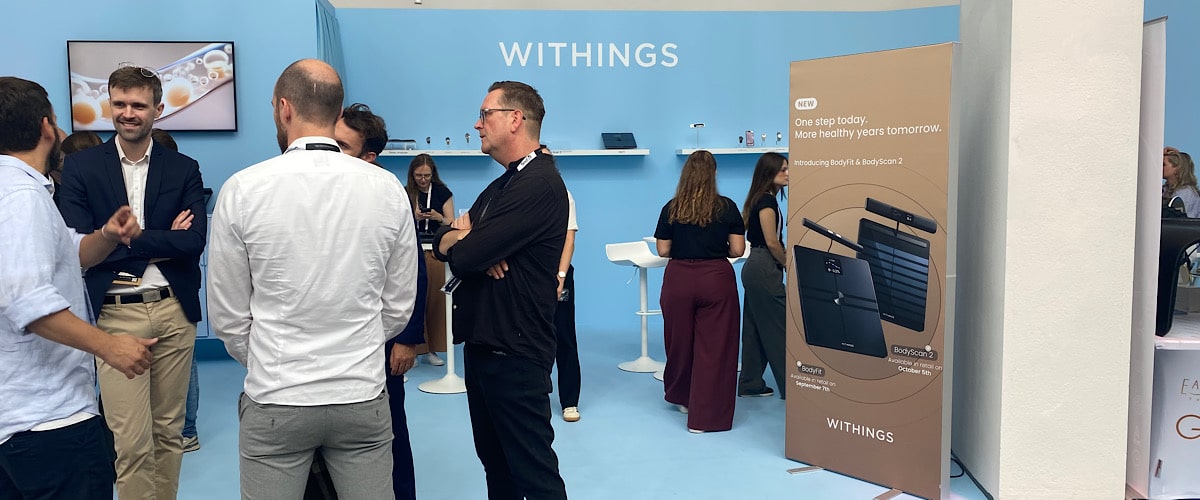
Withings didn’t launch another ScanWatch or smart scale at IFA. But it did make BeamO considerably more useful. Its new StethO Sense feature will analyse heart and lung sounds recorded by BeamO and return an interpretation within seconds.
That fills an obvious gaps in BeamO. The hardware already lets you record ECG, temperature and digital stethoscope readings, but recording a lung sound is only so useful if you then need somebody else to tell you what you just heard. StethO Sense starts moving BeamO from a collection device towards something that can help interpret the information as well.
DUVA ONE was another device that caught my attention, largely because it takes a different view of sleep tracking. Its earbuds monitor things such as heart rate, HRV, movement and sleep, while sensors in the bedside dock keep track of noise levels, light, temperature and humidity.
The clever bit is what happens next. Rather than simply telling you the following morning that something disturbed your sleep, DUVA ONE is designed to react during the night by changing noise cancellation or adjusting the audio being played.
That feels like a much more useful direction for sleep technology. We already have plenty of devices capable of telling us we slept badly. The next step is giving them some ability to do something while the problem is actually happening.
Soundcore had a similar idea with the new Sleep Earbuds 4 Pro, another device I think deserves a place on this list. The Pro earbuds put PPG sensors inside the ear to track heart rate, HRV and sleep, then combine that information with adaptive audio intended to help the wearer settle down and stay asleep.
The charging case is also unusually ambitious, with its own display for adjusting settings, setting alarms and checking sleep information without immediately reaching for a phone. Sleep earbuds are starting to look a lot more like proper wearables.
Tennis robots were one of the best parts of the show
Racket sports had a surprisingly strong presence at IFA, and this was probably my favourite part of the fitness side of the event.
Acemate was the standout. The company unveiled the S10 Pro, an upgraded version of its moving tennis robot that can track the ball, drive around the court and return your shots rather than sitting behind the baseline firing balls at you.
The Pro raises maximum ball speed to 75 mph and adds Serve, Battle, Drill and conventional Ball Machine modes alongside the existing Rally Mode. It also increases ball capacity, extends battery life and puts considerably more emphasis on analysis and structured training after the session.
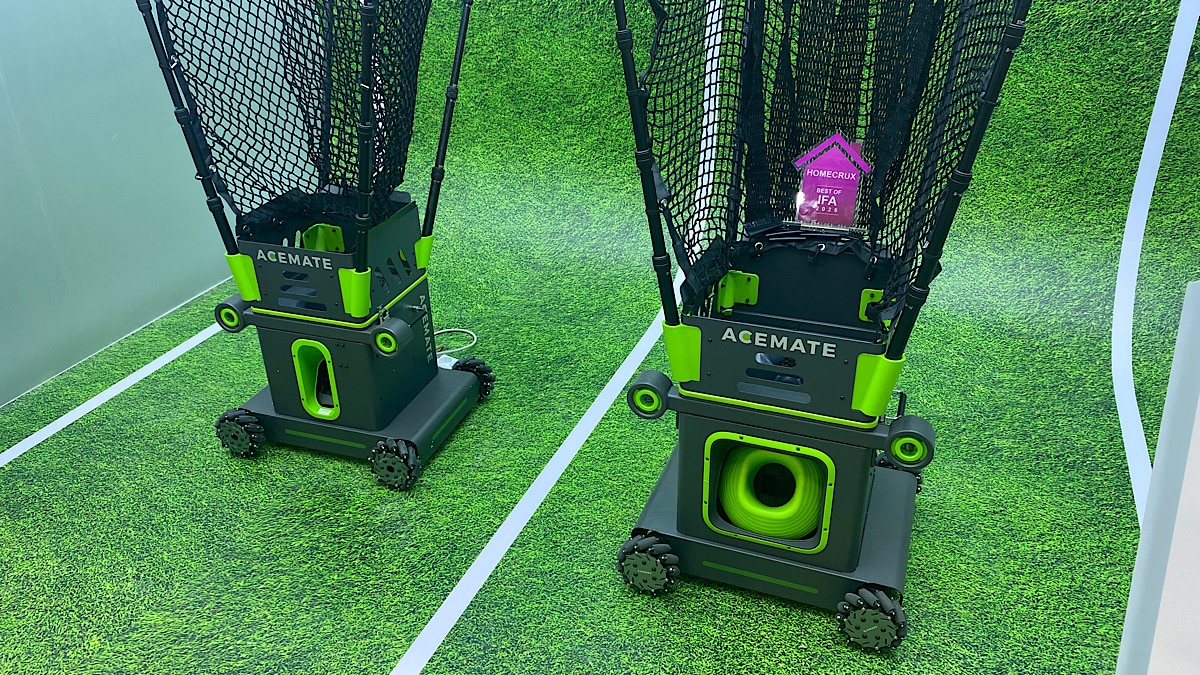
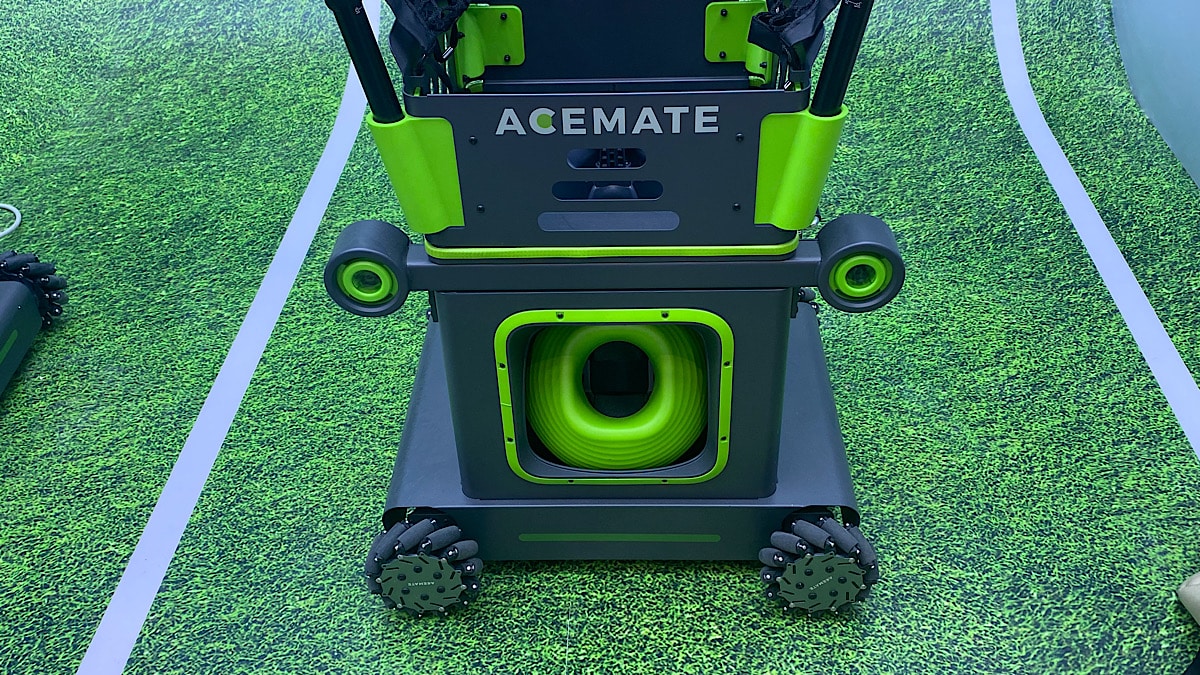
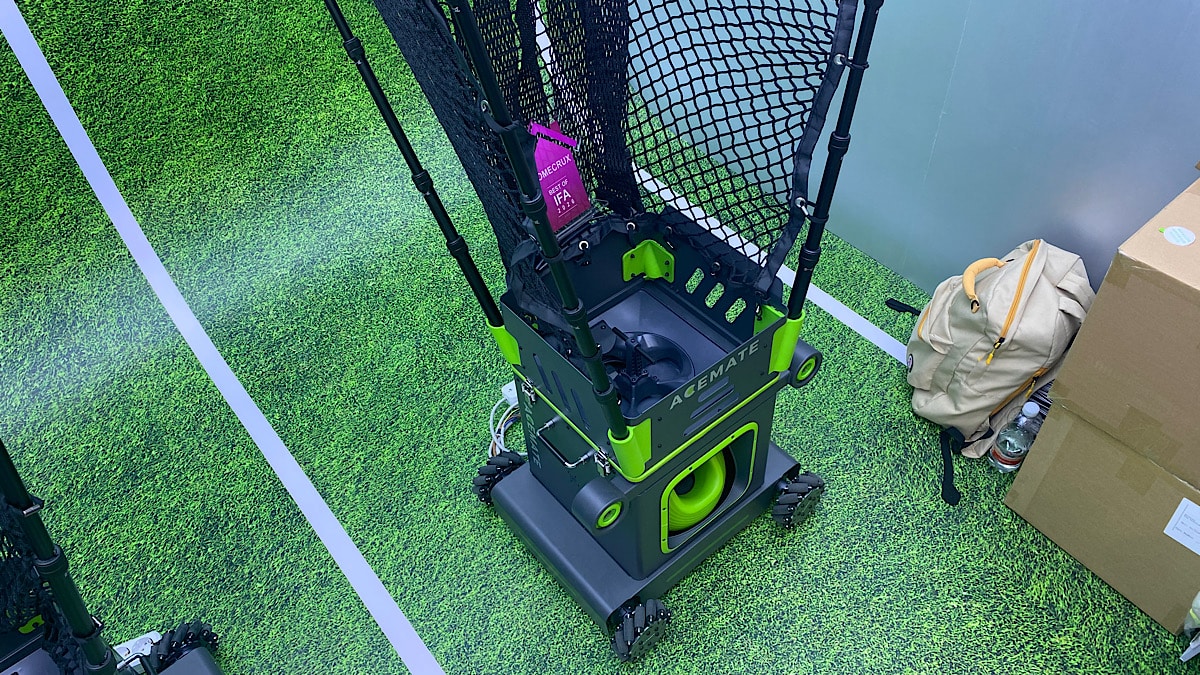
Having recently spent a lot of time testing the regular S10, I already thought that machine was about as close as tennis robots currently get to having another person on the other side of the net.
The S10 Pro pushes the idea further again. On paper, I would put it among the most advanced consumer tennis robots currently heading to market, and at the top of that group. The combination of court movement, vision, ball tracking, serve analysis, rallying and match-style play puts it well beyond the traditional definition of a tennis ball machine.
Acemate wasn’t alone. Pongbot brought its new Aura to IFA, taking a somewhat different approach by making the machine much lighter and supporting tennis, pickleball and padel from the same platform.
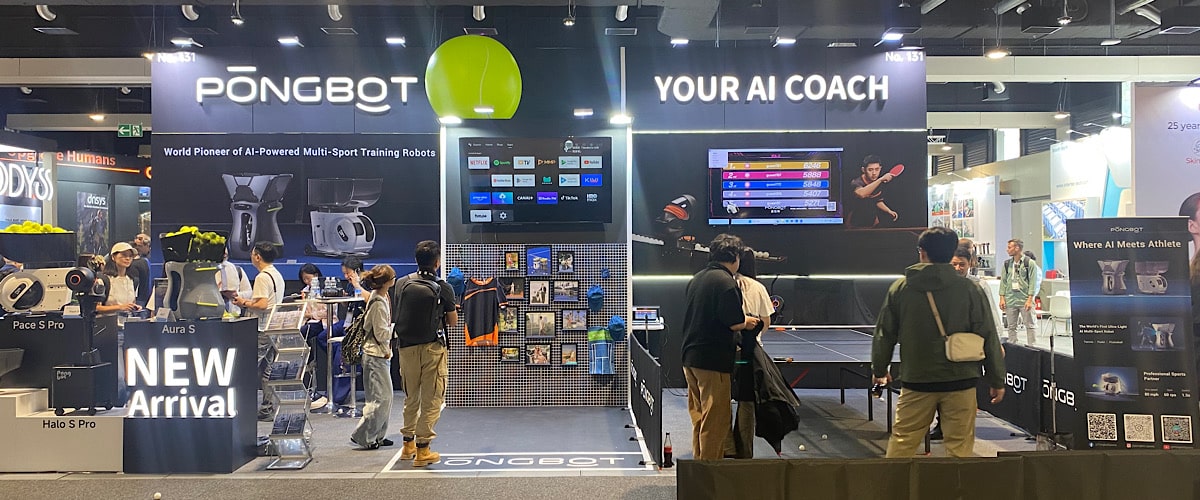
Aura weighs around 7kg and combines programmable feeds with voice control, AI coaching and optional visual analysis. It is quite different from the Pongbot Pace S Pro I previously reviewed, which puts more emphasis on high-performance tennis drills and player movement tracking.
TENNIIX was there as well with its own vision-based tennis robot. Its Pro model uses cameras to track player position and movement so feeds can respond to what the player is doing rather than simply following a fixed sequence.

There were a few other tennis and racket-sport machines scattered around the show too. It is still a niche category, but the jump from “ball launcher with an app” to machines that can watch, react, analyse and simulate parts of an actual rally is happening surprisingly quickly.
What I took away from IFA 2026
There wasn’t one giant wearable announcement that dominated IFA this year. In fact, many of the biggest names in sports watches and fitness trackers either weren’t there or had already launched their main 2026 hardware elsewhere. That has been a trend we’ve see in recent years.
But there was still a lot happening. Circular is trying to make smart rings more interactive, Speediance is bringing core temperature into a normal-looking fitness band, DUVA wants sleep tech to react during the night, and Acemate is trying to turn a tennis machine into something much closer to an actual opponent.
That may be the more interesting trend to come out of IFA 2026. Health and fitness technology is slowly moving beyond simply measuring what happened and giving you a score afterwards. More of these devices are starting to react, intervene or change the experience while it is happening.
And yes, none of them attracted quite as many people as two humanoid robots punching each other in a ring. Apparently some things are impossible to compete with.

Don’t miss the latest from Gadgets & Wearables
Subscribe to our monthly newsletter and check out our YouTube channel.
You can also follow Gadgets & Wearables on Google News and add us as a preferred source in Google Search.

