

New feature adds snoring and coughing analysis to Ultrahuman app
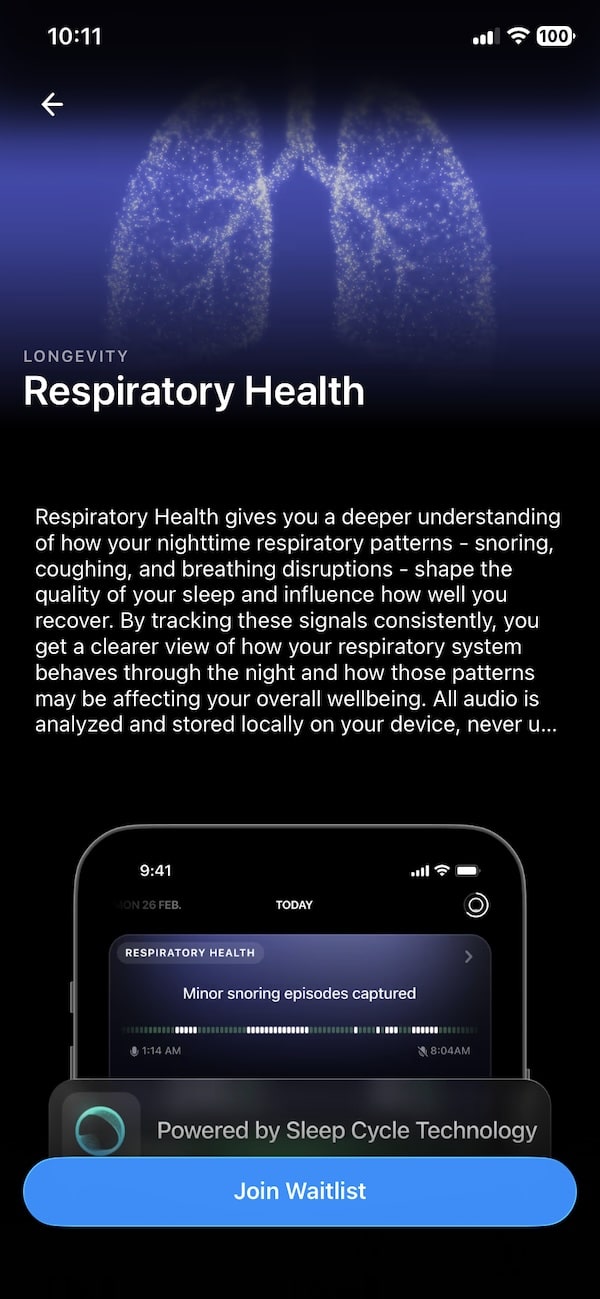
Ultrahuman is rolling out a new Respiratory Health feature for its smart ring, powered by technology from Sleep Cycle. It is currently available via waitlist and will be released gradually to users on a first-come, first-served basis.
The feature brings audio-based nighttime respiratory tracking to the Ultrahuman platform, even though the ring doesn’t include a microphone. So it is likely the system uses the phone’s mic to detect sounds while you sleep. Analysis runs locally on the device, and according to Ultrahuman, no audio ever leaves your phone.
What the new feature tracks
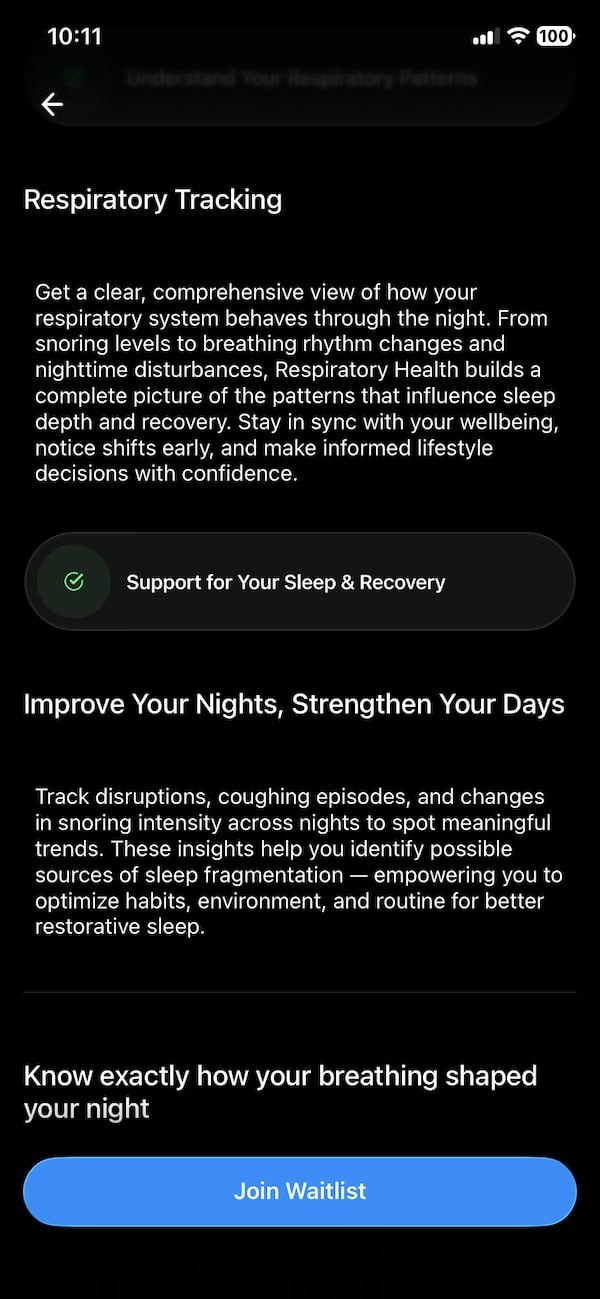
Respiratory Health offers users a closer look at sleep-related breathing patterns. It monitors the presence and frequency of snoring, changes in respiratory rhythm, coughing episodes and other disturbances. The idea is to build a clearer picture of how these patterns affect overall sleep quality, restfulness and recovery.
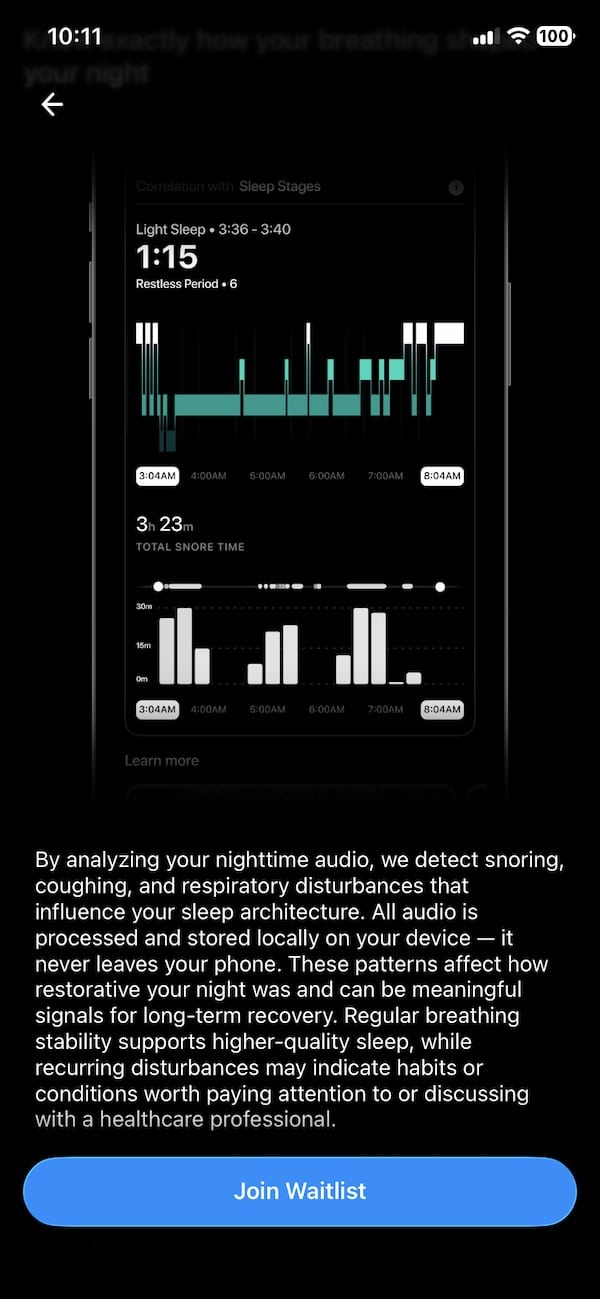
It’s not just a nightly log of snore events. The system looks for trends over time, identifying shifts in breathing stability and spotting periods where sleep becomes more fragmented. All of this gets compiled into a set of respiratory reports inside the Ultrahuman app. The reports show snore duration, intensity and timing, mapped alongside sleep phases.
This contextual pairing with sleep stages is what separates it from basic snore logging. It adds nuance, showing not just how often a person snores but how it overlaps with restlessness or light sleep periods. This is particularly useful for those dealing with poor recovery despite enough hours in bed.
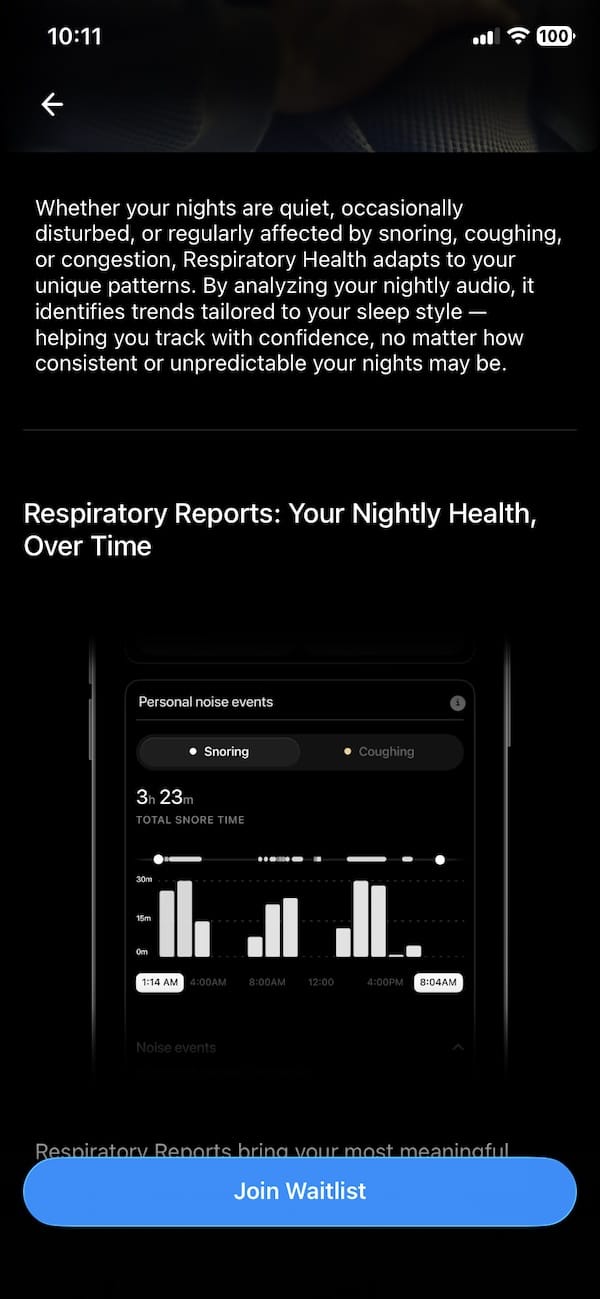
Powered by Sleep Cycle, built for Ultrahuman
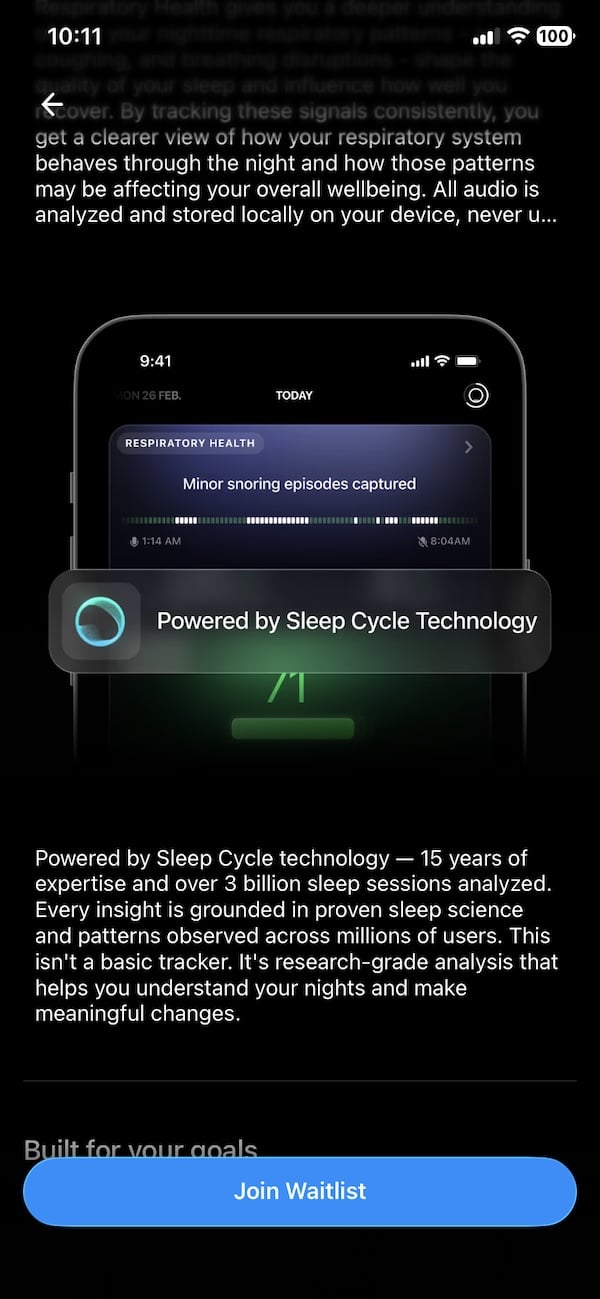
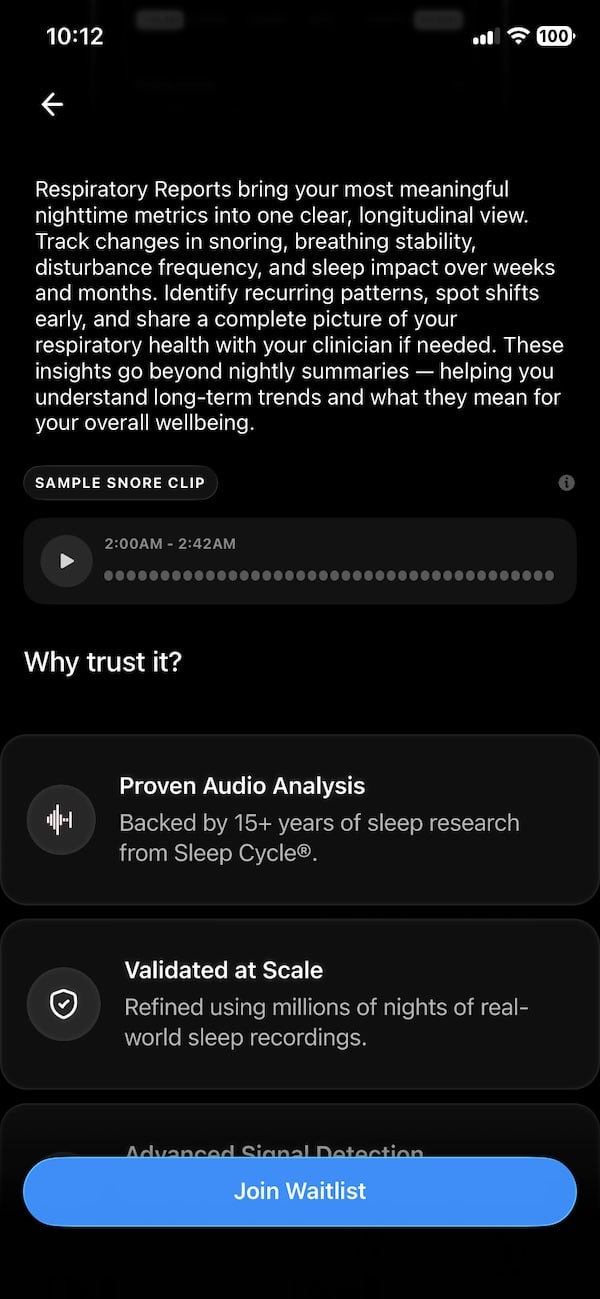
The underlying engine comes from Sleep Cycle, a well-established app with over 15 years of audio-based sleep analysis under its belt. Ultrahuman integrates that expertise with its broader health platform, combining the new respiratory layer with metrics from movement, temperature and heart rate.
According to the feature description, the system has been trained on millions of real-world sleep sessions and validated across diverse use cases. It is positioned as research-grade rather than just lifestyle-level. The company emphasises that the insights are meant to guide personal optimisation, but also can be shared with clinicians if any red flags emerge.
Waitlist access and future availability
In my Ultrahuman Home review, I covered how the device tracks air quality, temperature, light and sound to explain changes in sleep. It also detects snoring and other audio patterns using its onboard mic. The new Respiratory Health feature brings some of those capabilities to users who don’t own Ultrahuman Home.
Only those on the waitlist will receive access initially. Users will be notified when a slot becomes available, and rollout will proceed gradually. There is no indication yet whether the feature will eventually be part of a paid tier or remain free within the standard app experience.
Subscribe to our monthly newsletter! Check out our YouTube channel.
And of course, you can follow Gadgets & Wearables on Google News and add us as your preferred source to get our expert news, reviews, and opinion in your feeds.

I have no doubt it will be paid, the moment they can claim it’s from a 3rd party like they did with the afib plugins they will just throw a cost into it.
My question is more into the usability of the feature comparing with using the sleep cycle in the first place, probably subscription cost will not be much different from the subscription and both you need to use phone to record and in sleep cycle you can already import the sleep data and probably will do the same type of analysis.
Maybe is only good for people who want all integrated inside UH app, just hope they don’t put more into that feature than in Home device because selling a device that already records sound and have the same data as that plugin and then deliver less information and all those trained models only on that powerplugin analysis to put behind a paywall is quite sad