

Oura patent hints at AFib tracking with signal quality checks
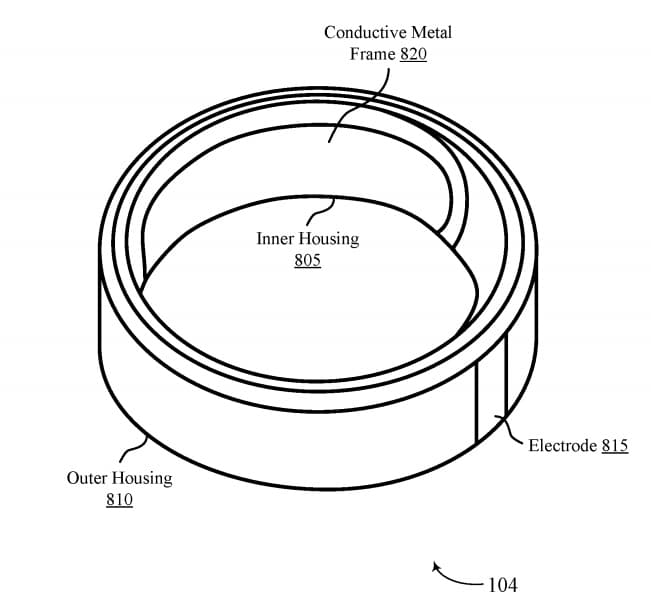
Oura has secured a patent that outlines a new way to detect atrial fibrillation using a smart ring, combining optical heart rate data with motion and temperature signals. The system focuses on running AFib checks only when conditions are stable, with the option to trigger an ECG reading for confirmation.
The filing, published earlier today, goes into detail on how a ring can move beyond basic heart rate tracking and toward something closer to clinical relevance. It does not rely on constant monitoring alone. Instead, it introduces a more selective approach designed to improve accuracy without draining battery or overwhelming users with alerts.

A smarter way to decide when to measure
One of the main ideas in the patent is timing.
Wearables that keep an eye out on Afib either track continuously or check at fixed intervals. That sounds sensible, but it creates a problem. Much of the data collected during daily movement is noisy. Walking, typing or even small hand movements can distort optical signals.
Oura’s approach is to wait.
The system evaluates whether the user is still enough and whether the device has good contact with the skin. It uses motion sensors and temperature readings to make that call. Only when those signals suggest stable conditions does it run AFib analysis.
Two-stage detection built around PPG and ECG
The patent also describes a layered detection process.
The first stage relies on PPG, the same optical method already used in most rings and watches. This allows the device to monitor heart rhythm passively and flag potential irregularities.
If something looks off, the system can escalate. It may prompt the user to perform an ECG reading, assuming a future version of their ring supports it. That second step acts as a confirmation layer rather than something that runs all the time.

Cleaning up the signal before making a call
Another part of the filing focuses on how the data itself is handled.
The system builds a sequence of intervals between heartbeats and filters out irregular or noisy segments before running classification. This is important because AFib detection depends heavily on pattern recognition, not just raw heart rate.
There is also mention of adaptive parameters and classifier-based analysis. That suggests the system could adjust how it interprets signals depending on the situation, rather than relying on fixed thresholds.
In simple terms, it is not just looking for irregular beats. It is trying to understand whether those irregularities actually point to AFib.
Where Oura stands today
At the moment, Oura does not offer AFib detection as a feature. Its ring focuses on heart rate, heart rate variability and sleep metrics. These can sometimes highlight unusual patterns, but they are not designed to diagnose arrhythmias.
Other smart ring makers have already started moving in this direction. Ultrahuman and Circular both offer forms of AFib detection, signalling that the category is beginning to expand beyond general wellness tracking.
This patent suggests Oura is working on its own answer, but with a slightly different angle. Instead of pushing constant detection, it is trying to improve reliability by being more selective about when measurements happen.
Of course, patents do not guarantee products, but this one feels grounded in real constraints.
This article originally appeared on Gadgets & Wearables, the first media outlet to report the story.
Source: US Patent Office
Subscribe to our monthly newsletter! Check out our YouTube channel.
And of course, you can follow Gadgets & Wearables on Google News and add us as a preferred source to get our expert news, reviews, and opinion in your feeds.
