

RingConn Gen 2 Air review: cuts the extras but keeps the core experience
RingConn Gen 2 Air
Pros
- Comfortable and discreet design
- Same sensors as the Gen 2
- Tracks all the essentials, and more
- No monthly subscription fees
- An ever-expanding smartphone app
Cons
- No sleep apnea tracking
- No portable charging case
One minute review
The Gen 2 Air trims a few things from the RingConn Gen 2 model but keeps the core experience fully intact. You’re getting pretty much the same sensors, same design, same app, and the same tracking across heart rate, HRV, sleep, temperature, stress, and SpO2. Daily use feels no different, and that’s what matters.
The cuts are sensible. Sleep apnea tracking is gone, which might matter to a few, but not most. Battery life drops slightly, and the switch to a USB-C dock is less ideal for travel, but it’s fine for home use.
The new software features, like the headache alerts and light exposure tracking, work well, and the app finally feels like it’s matured into something properly useful. You don’t have to go hunting through charts anymore just to figure out how you’re doing. Even smaller extras like the ring finder help round out the experience.
At $199, the Gen 2 Air delivers much of what makes RingConn a solid option, just at a lower price. The standard Gen 2, at $299, adds a bit more for those who want the full set of features. Both versions perform well, run on the same app, and benefit from regular updates. Whether you choose the Air or the original model, you’re getting a reliable, subscription-free smart ring that does exactly what it promises.
You can view RingConn devices on the company’s website. View Gen 2 Air on Amazon.
RingConn Gen 2 Air review: Design, hardware
Look & feel
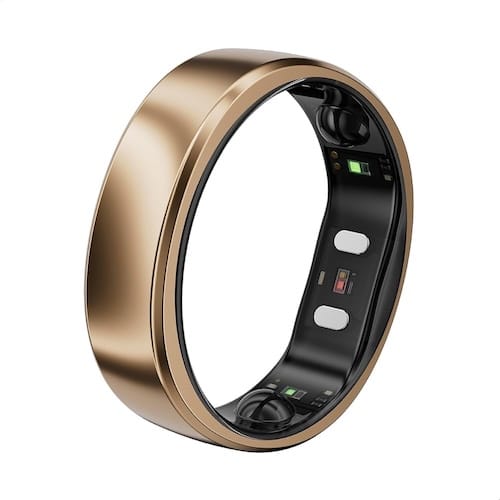
Unboxing the RingConn Gen 2 Air reveals a device that feels very familiar if you’ve used the Gen 2. The same minimalistic, smooth design language carries over, but there are a few subtle changes.
Instead of aerospace-grade titanium, the Gen 2 Air uses a stainless steel build. On the hand, the difference is hard to notice. It still looks and feels premium, but perhaps has a slightly more utilitarian finish. The glossy coating remains, giving it a polished look that doesn’t scream for attention. You still get that same sleek, unisex design that works well regardless of finger size or style preference.

Color options are different this time around. The Gen 2 Air comes in Dune Gold and Galaxy Silver. They’re slightly more understated than the Gen 2’s original palette, but still stylish. RingConn also throws in seven different ring protectors to help customise the appearance and protect against scratches. These accessories also work with the Gen 2 model if you want to mix and match.
In terms of comfort, it’s business as usual. The Air keeps the same internal dimensions and sizing system. That means existing users can stick with their original sizing, and new customers will get the same helpful kit with nine sample rings to try before the real one ships. In my case, I wear size 11 for both the Gen 2 and Gen 2 Air, and the fit is identical.

The slightly different build material means the device is a fraction heavier than Gen 2. The first comes in between 2.5 and 4 grams, the second between 2 and 3 grams. The dimensions are unchanged: around 6.8mm wide and 2mm thick.
On the finger, the device sits flush against the skin and doesn’t catch or get in the way of daily tasks. Like the Gen 2, you can wear it on any finger of either hand, though I still recommend shifting it to a tighter fit (like the dominant hand’s index finger) during exercise for better heart rate tracking.
Water resistance remains solid. The Gen 2 Air is rated for up to 100 meters, so you can swim, shower, or wash your hands without worry. Build quality overall feels robust.
Even though this is a budget edition, there really isn’t that much to separate Gen 2 and Gen 2 Air in terms of design. Put them side-by-side and you’d struggle to tell which is which.

Under the Hood
You might think the Gen 2 Air is a trimmed-down version of the original, but most of the internal hardware has carried over intact. You’re still getting the same core biometric tracking: heart rate, heart rate variability, SpO2, skin temperature during sleep, and stress monitoring throughout the day. So in terms of what’s actually being tracked, not much has changed.

The same trio of optical sensors (infrared, red and green) powers heart rate and SpO2 readings. The accelerometer, temperature sensor and underlying PPG tech are identical to what you get on the Gen 2. So from a pure data-capture standpoint, you’re not losing much by opting for the cheaper Air model.
That said, there is one important omission. The Gen 2 Air does not support sleep apnea tracking. This is a feature that leverages RingConn’s upgraded sensor suite and algorithms on the Gen 2. While it’s not something most users will need on a daily basis, if sleep breathing analysis is a priority, then the regular Gen 2 is the better option.
Connectivity remains the same, with BLE 5.2 and support for airplane mode. EMF-safe mode is also here, for those who care about reducing exposure. Internal memory is unchanged too; you still get about 7 days of on-ring storage, so syncing every day is optional rather than essential.
More than 10 days between charges!
A important shift under the hood is battery performance. The Gen 2 Air tops out at around 10 days of use per charge, which is slightly below the 12 days on the standard Gen 2. Still, this is better than what most smart rings offer. The drop in runtime seems to come down to small changes in hardware power management and the absence of the more efficient chip used in the Gen 2.
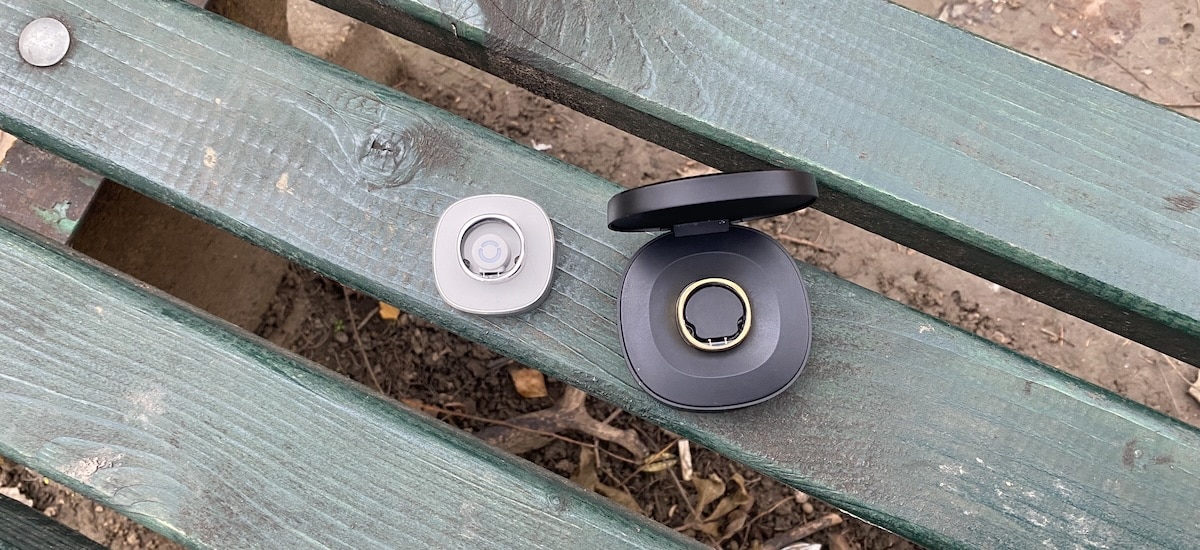
The charging system is also different. Instead of a portable case with up to 20 full recharges, the Gen 2 Air relies on a simpler USB-C dock. It works fine for daily top-ups, but loses the travel-ready flexibility of the case. For anyone frequently on the move or wanting to go weeks without plugging into a wall, that may be a drawback.
Even with these changes, Gen 2 Air still performs well in everyday use. The battery drain is steady and predictable, and the device charges quickly. Just don’t expect the same 150+ days between case charges that you can get with the standard Gen 2 setup.
RingConn Gen 2 Air review: Features
Since publishing my review of the RingConn Gen 2, a lot has changed on the software side. The smartphone app has gone through a complete transformation. It now feels like an entirely different product. We’re talking full visual redesign, newly added AI-driven insights, and a stack of features that expand what the ring can actually do.
The best part? All of this works seamlessly across both the Gen 2 and Gen 2 Air. There’s no difference in the app experience. If you’ve used the original version of the app, the new one will feel miles ahead. It’s smoother, better organised, and finally delivers on some of the personalisation promises that were a bit lacking before.

RingConn started out as a crowdfunded project, but it no longer feels like one. The hardware was solid from the start, but what’s changed most is everything around it. The app looks and works completely differently now, the software keeps getting better, and the company seems focused on long-term updates rather than short bursts of hype.
Using the ring
As far as day to day use, the RingConn Gen 2 Air keeps things straightforward. Once paired with the app, it begins tracking in the background without much input.
As mentioned, it covers the same metrics as the full Gen 2, including heart rate, heart rate variability, sleep stages and nap duration, skin temperature during sleep, stress and blood oxygen levels. The only difference is the lack of sleep apnea tracking that you get on its big brother.
The app was pretty bare-bones a few years ago. But now it is much better.
Instead of just showing charts, the software pulls everything into daily summary and weekly lifestyle metrics. When something drifts from your normal patterns, the app flags it and offers guidance. It’s a more useful layer that wasn’t there in the early versions. You still get access to full trends and granular charts if you want to dig in, but it no longer feels like you have to work to understand what the data means.
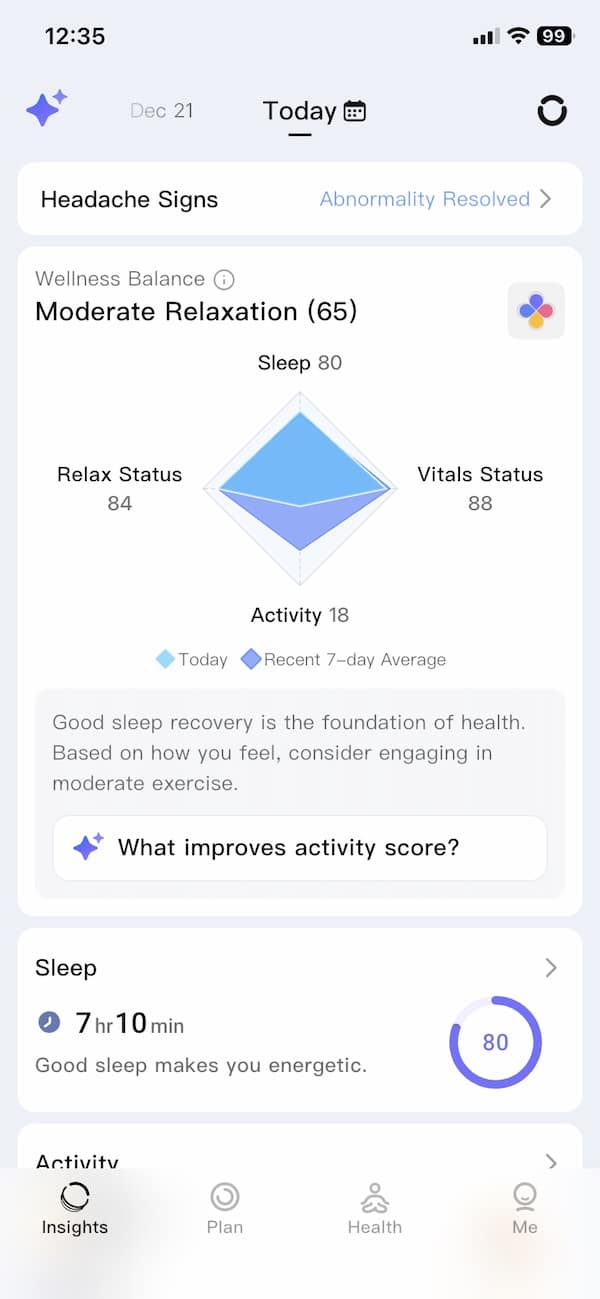

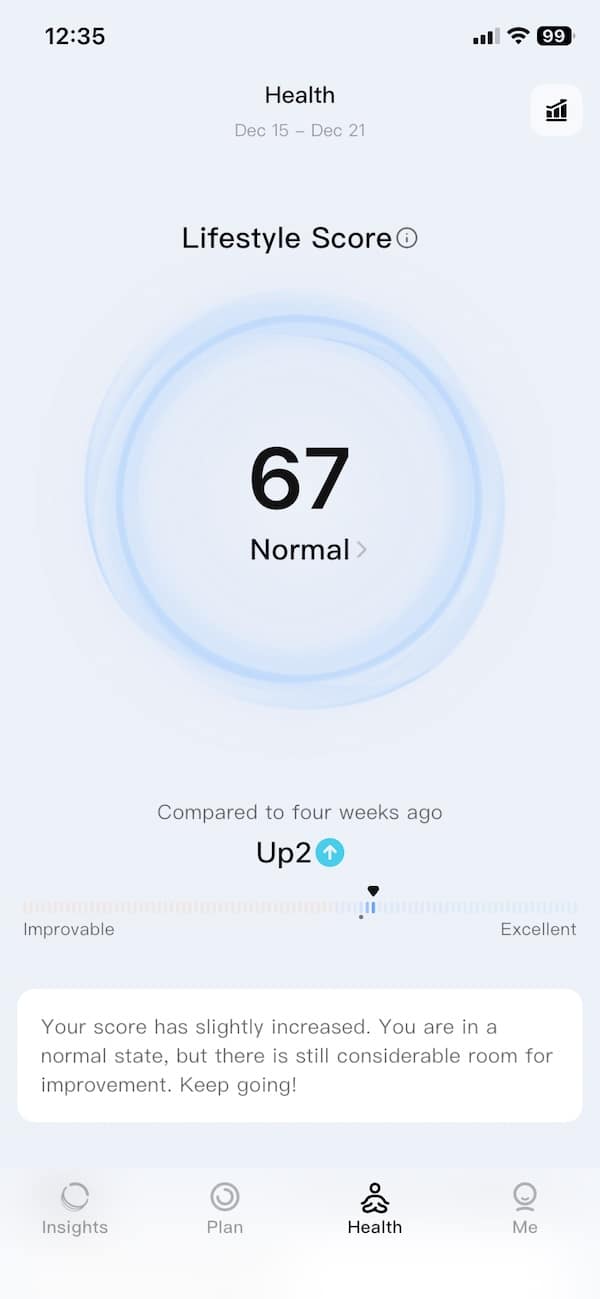


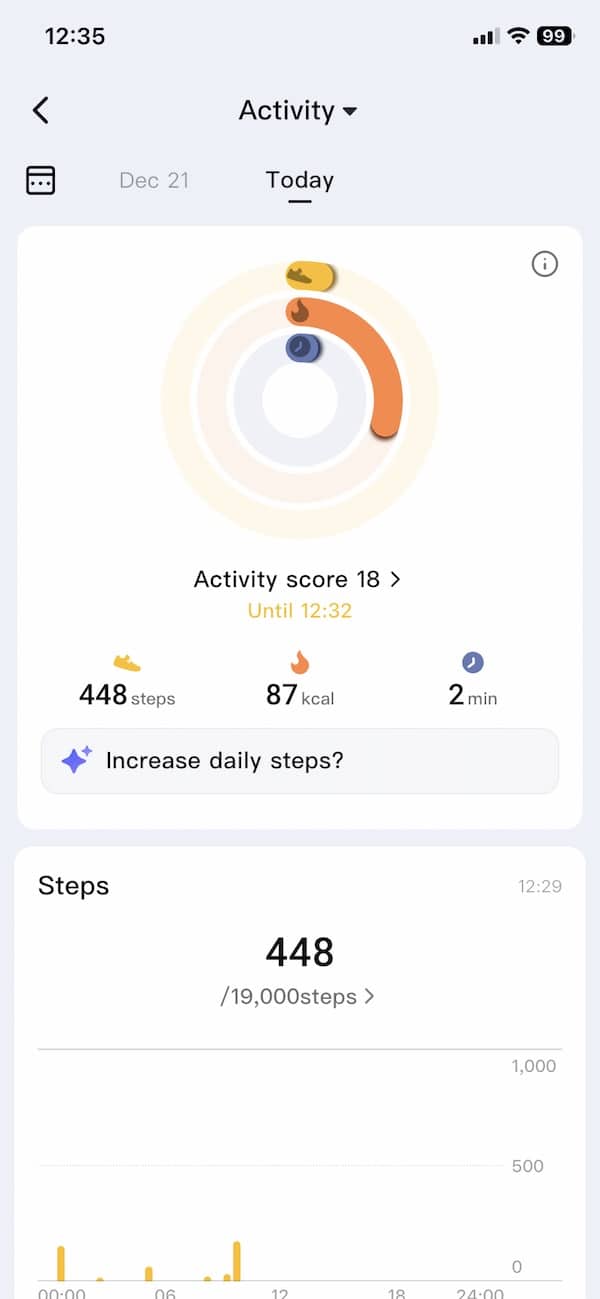


A recent addition is a headache alert system. It runs in the background and opens a tracking window if it detects something unusual in your heart rate variability, temperature or even local pressure trends. It triggered once for me, but when it did, the timing matched how I had been feeling. No other smart ring, at the moment, offers that feature.
Workout detection has also improved with the addition of automatic tracking. That said, heart rate tracking during high intensity exercise is not great. But that’s the problem with pretty much every other smart ring brand out there. It is difficult to capture heart rate precisely from the finger during such activity.
As you’d expect there’s also an AI assistant. It seems, these days everyone is adding this. Right now, the RingConn can answer basic questions about your data and make workout/health plans, but it still feels like a work in progress.
Beyond that, some new additions include light exposure tracking. It is aimed at helping users understand how ambient light affects sleep and circadian rhythm. Blood pressure trend tracking is also being tested, but it requires calibration with a cuff and isn’t currently available for all users. The app also now includes a ring finder, which helps locate the device if it fell behind the sofa.
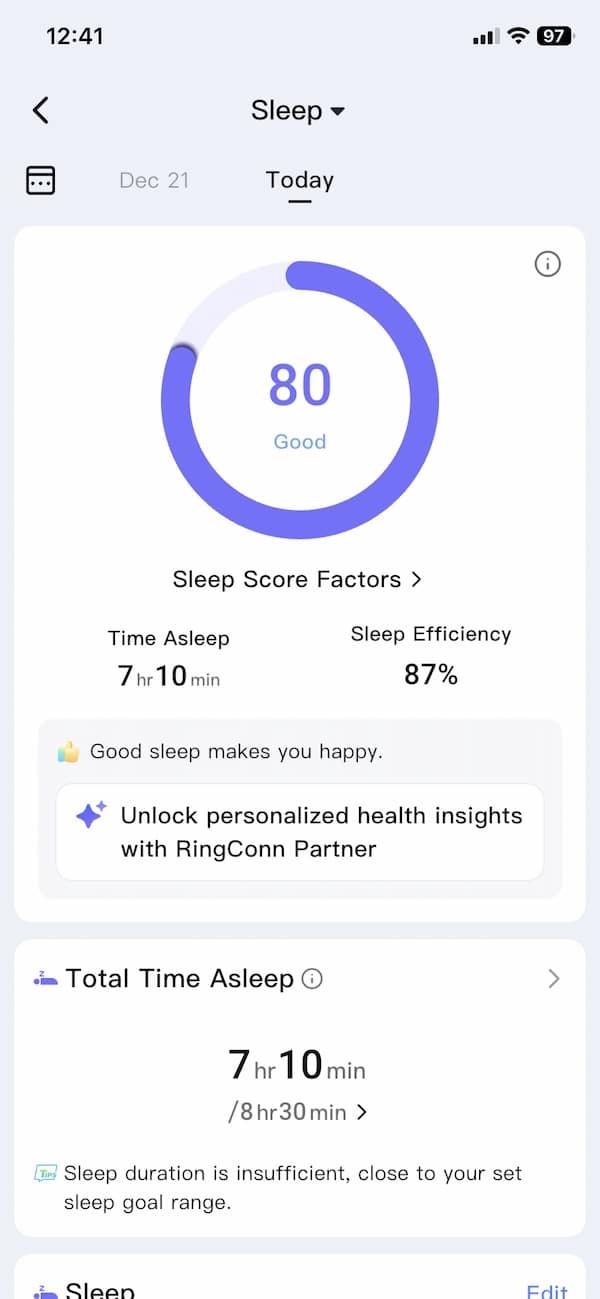
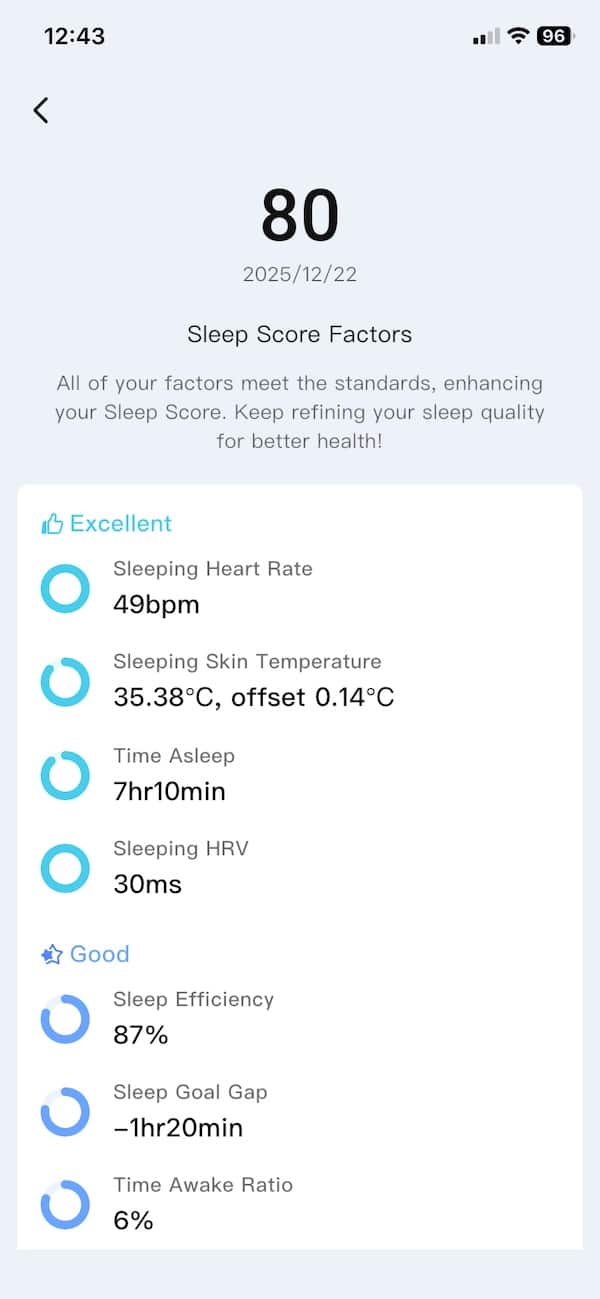
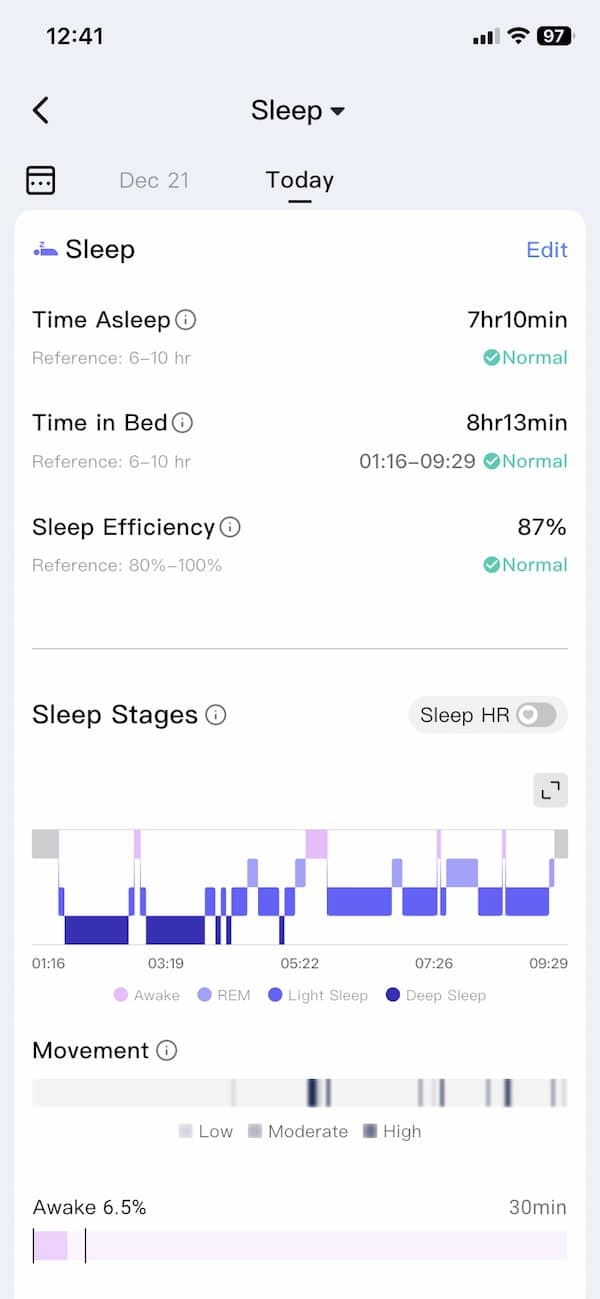
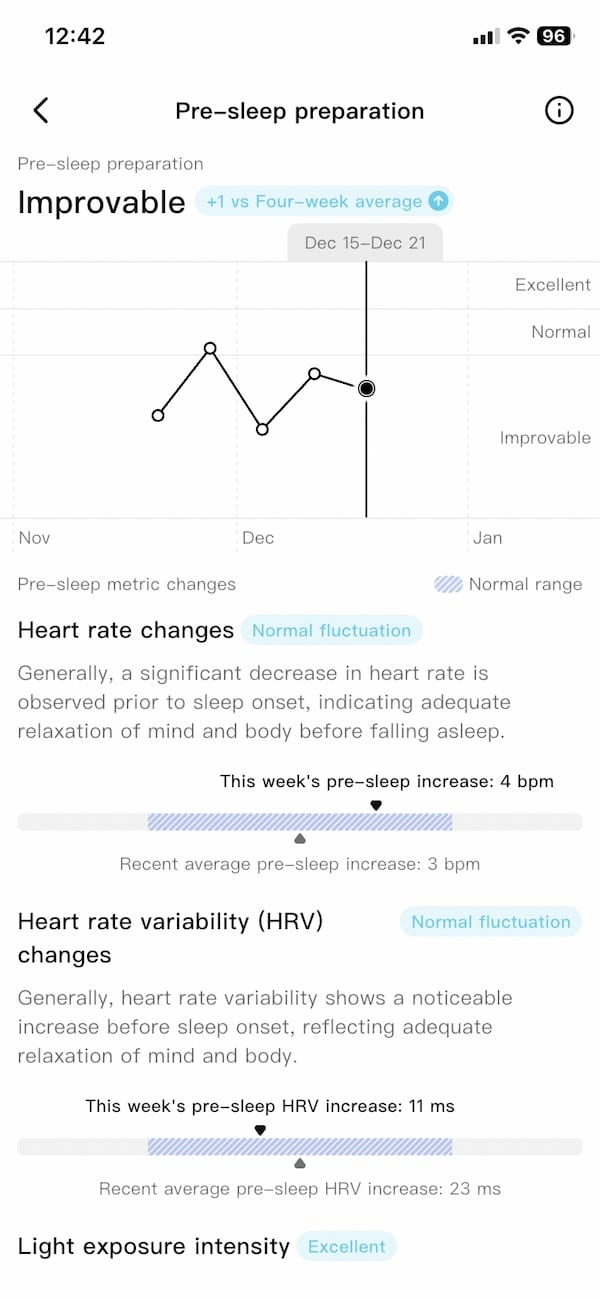
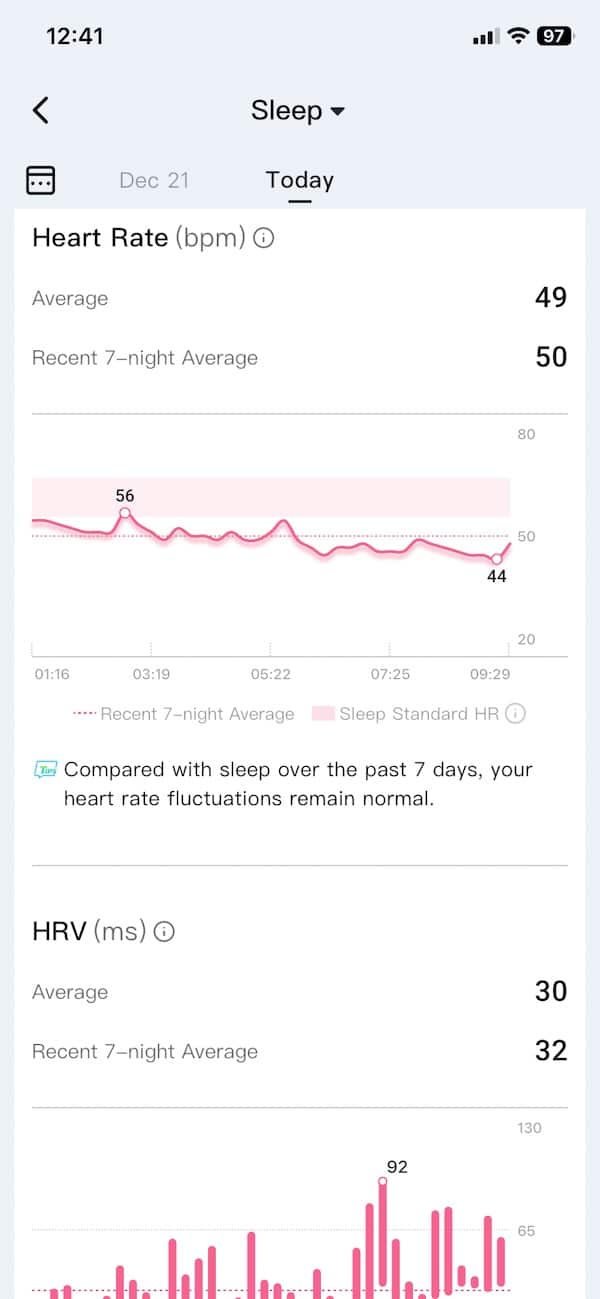
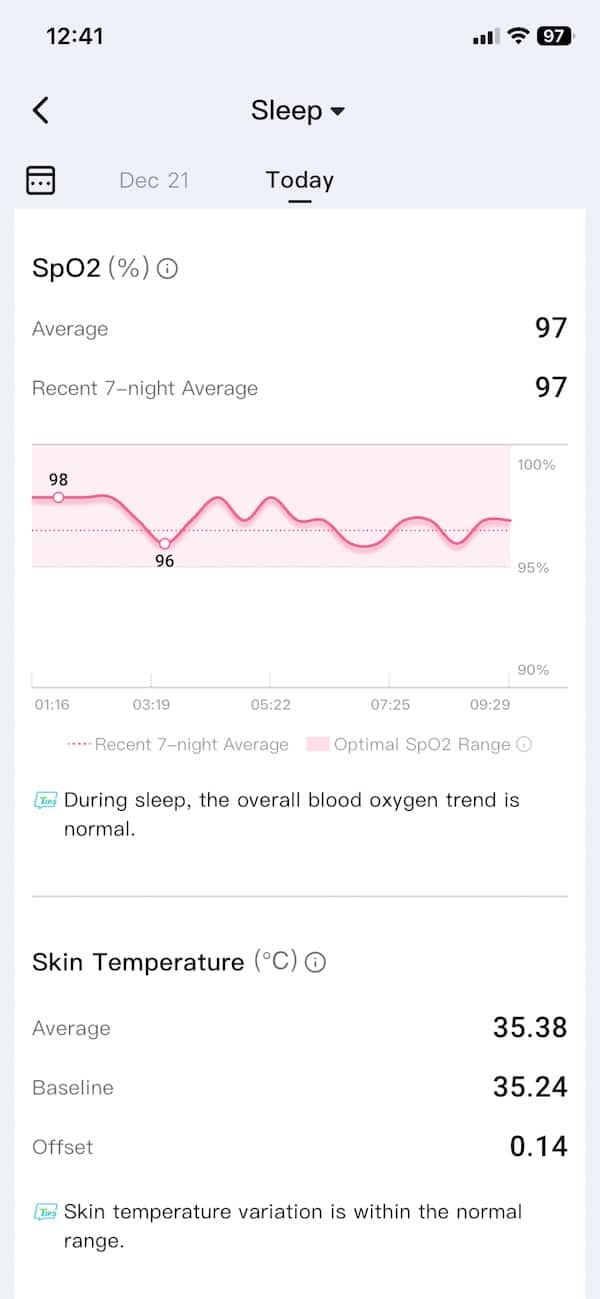


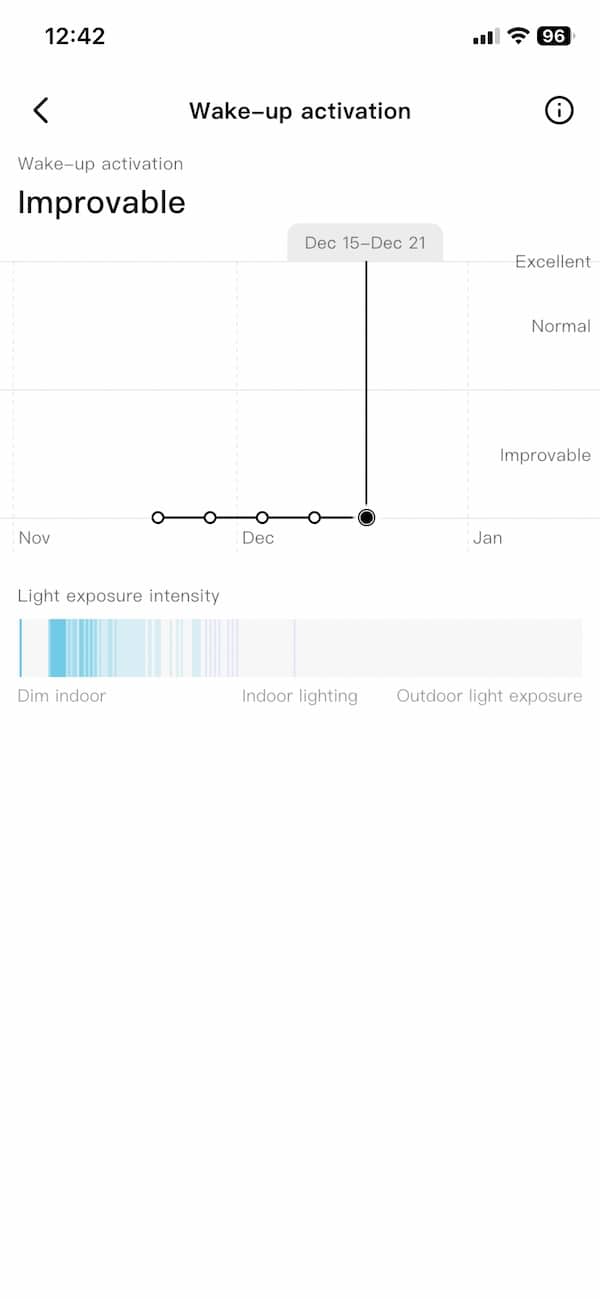
Data syncing with Apple Health and Google Fit still works well, so you can plug RingConn into a wider health tracking setup. On the whole, the Gen 2 Air offers the same clean experience as its more expensive sibling, with most of the important features intact and the same improved app driving the experience forward.
You can view RingConn devices on the company’s website. View Gen 2 Air on Amazon.
*We are a review site that receives a small commission from sales of certain items, but the price is the same for you. Purchasing items by clicking on links in this article allows us to run this website. We are independently owned and all opinions expressed here are our own. See our affiliate disclosure page for more details.
Like this article? Subscribe to our monthly newsletter and never miss out!
