

Fitbit patent hints at lab-style health testing device
A newly granted patent shows Fitbit is developing a compact diagnostic system designed to analyse biological samples using magnetically guided reactions. The concept doesn’t involve wearables at all, but it opens the door to deeper health testing in Fitbit’s ecosystem.
A lab test in a small cartridge
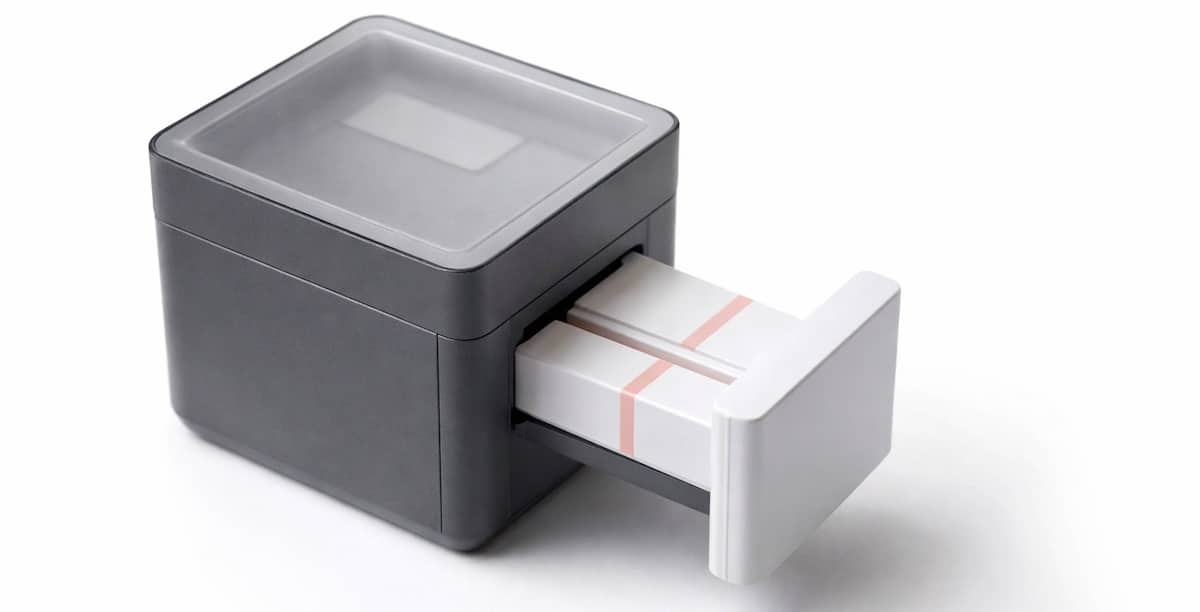
The system uses a disposable cartridge that receives a fluid sample such as saliva or blood. Once inserted into a reader device, the cartridge gets compressed slightly, triggering a series of biochemical reactions without any need for manual washing steps or moving parts. Magnetic beads guide the target molecules through layers of membranes and reagents, allowing for specific analytes to bind to detection zones. The results are read out optically or electronically, depending on the test.
Essential reading: Top fitness trackers and health gadgets
This kind of setup is typically used in clinical settings, but the design here is clearly aimed at point-of-care or at-home use. The user’s role is minimal. You collect a sample, insert the cartridge, and wait for a result. Everything else happens internally. The absence of moving parts is key. It keeps the mechanism simpler, cheaper, and potentially more reliable for consumer applications.
Fitbit’s medical ambitions
It’s not the first time Fitbit has moved toward diagnostics. The company has FDA-cleared ECG and irregular heart rhythm features in its wearables. But this patent points to a more direct role in bodily fluid analysis, something currently outside the scope of mainstream smartwatches.
The patent doesn’t mention any specific diseases or use cases, but the general format is flexible enough to support anything from infection detection to hormonal or cardiovascular markers. In principle, it could be used for COVID-like rapid tests, fertility tracking, or even long-term condition monitoring.
Google’s acquisition of Fitbit gave it access to a broad health and wellness user base. If this cartridge system eventually integrates into that ecosystem, it could add an entirely new dimension to how users track and understand their health. You could imagine syncing assay results to your Fitbit app alongside sleep, heart rate, and activity data. That would allow for a much more complete picture, especially if linked to AI-based insights or telehealth services.
Not a wearable, but still part of the puzzle
There’s no guarantee this product will ever launch. But the underlying idea matches Fitbit’s stated goals. It reinforces the notion that health tracking is moving beyond step counts and into richer physiological monitoring. If it reaches market, the device would likely complement wearables rather than replace them, adding another layer of health data for users and perhaps even clinicians.
The fact that Fitbit is developing this in-house also signals that Google is serious about expanding its healthcare footprint. As the competitive space around home diagnostics heats up, this could give Fitbit a useful hardware edge to pair with its software and health platform.
This article originally appeared on Gadgets & Wearables, the first media outlet to report the story.
Source: US Patent 12528081, B2
Subscribe to our monthly newsletter! Check out our YouTube channel.
And of course, you can follow Gadgets & Wearables on Google News and add us as your preferred source to get our expert news, reviews, and opinion in your feeds.
