

Oura ring users experiment with open source app
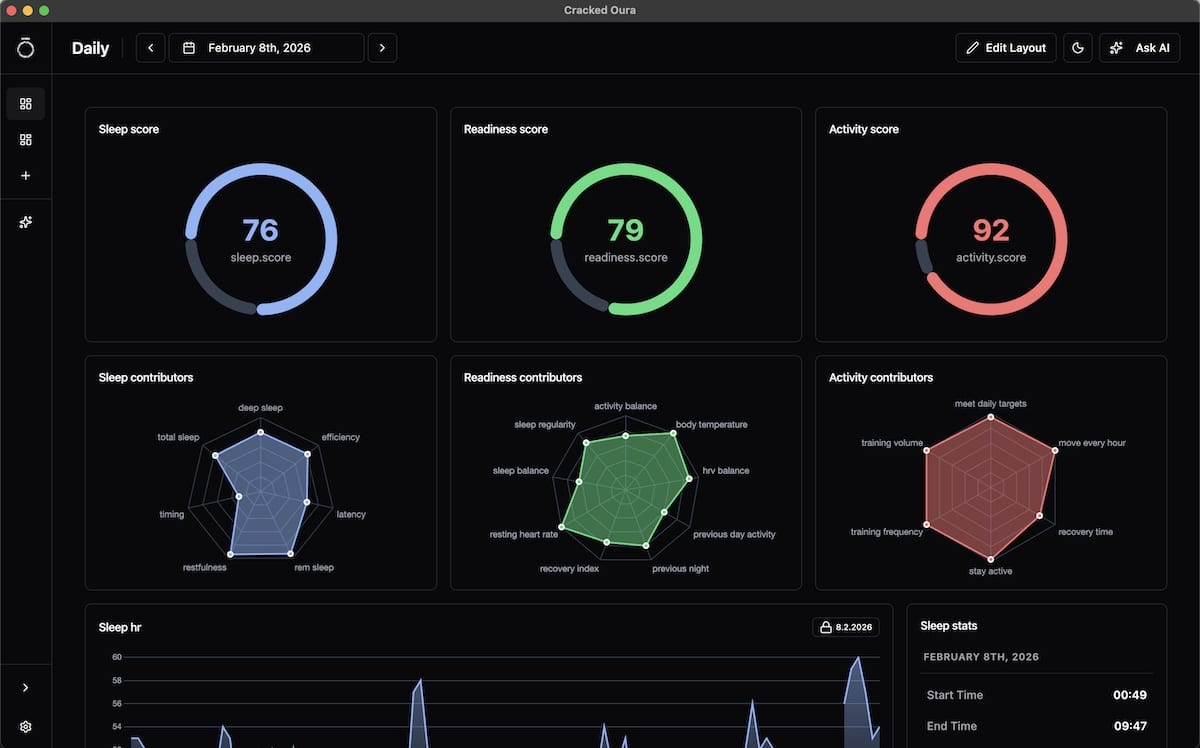
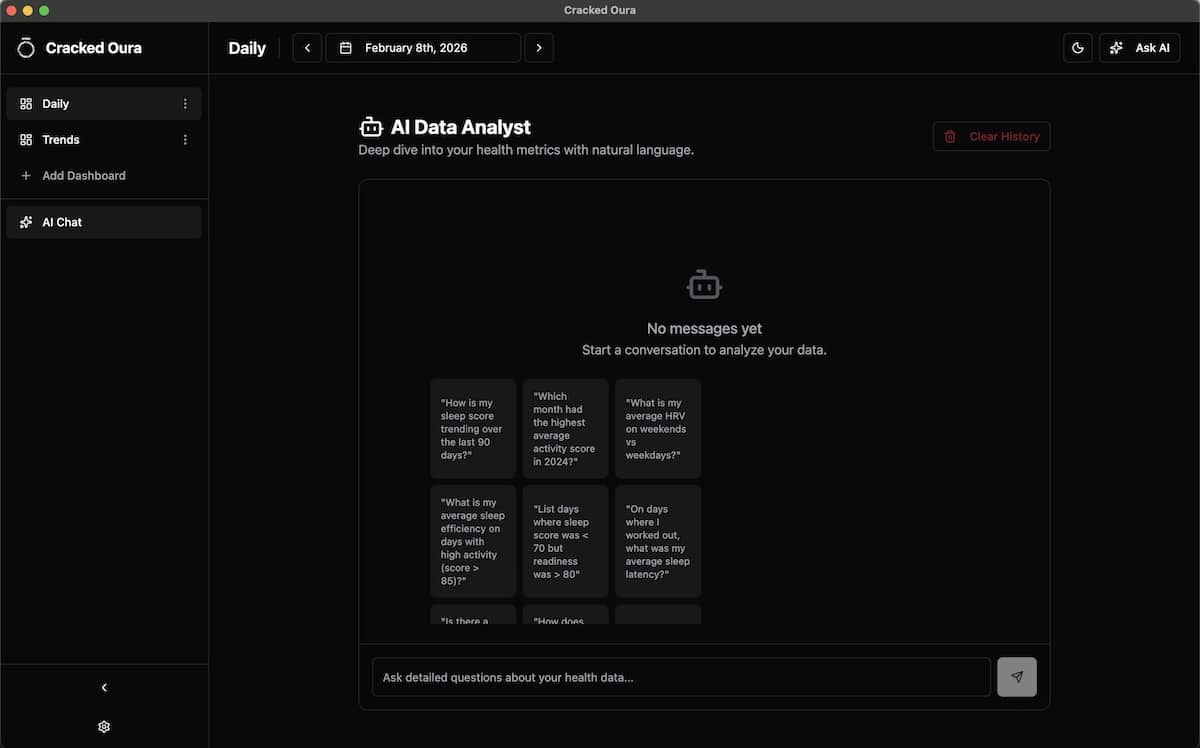
Oura ring users are experimenting with an open source app that pulls their health data outside the official Oura ecosystem. The project surfaced this week on Reddit and focuses on local data access without relying on Oura’s subscription based app.
The discussion started in the Oura subreddit, where a developer shared an early stage open source project designed to visualise Oura ring data independently. And this has quickly grown to be the most upvoted post in the past few days.
What the community project actually does
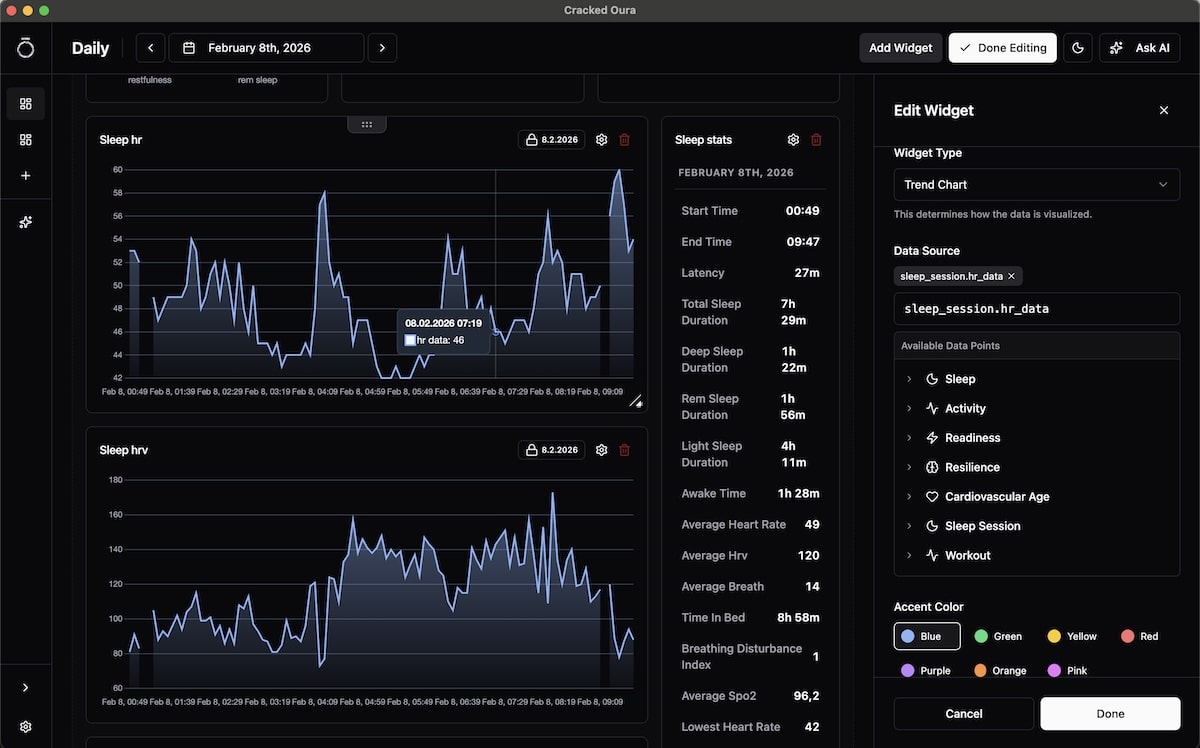
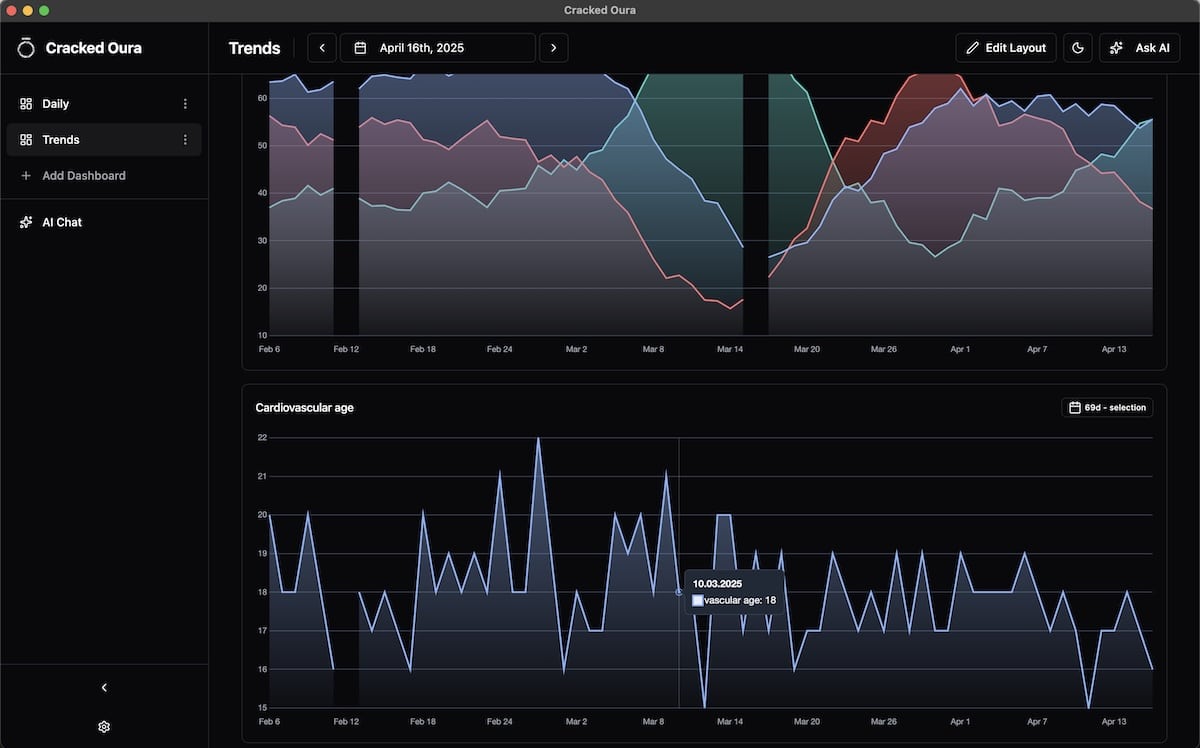
Now let’s be clear – the app does not connect directly to the ring. It does not modify firmware or intercept live sensor streams. Instead, it works with data that users can already access through their own accounts, either via manual exports or automated retrieval tied to the same endpoints used for personal data downloads.
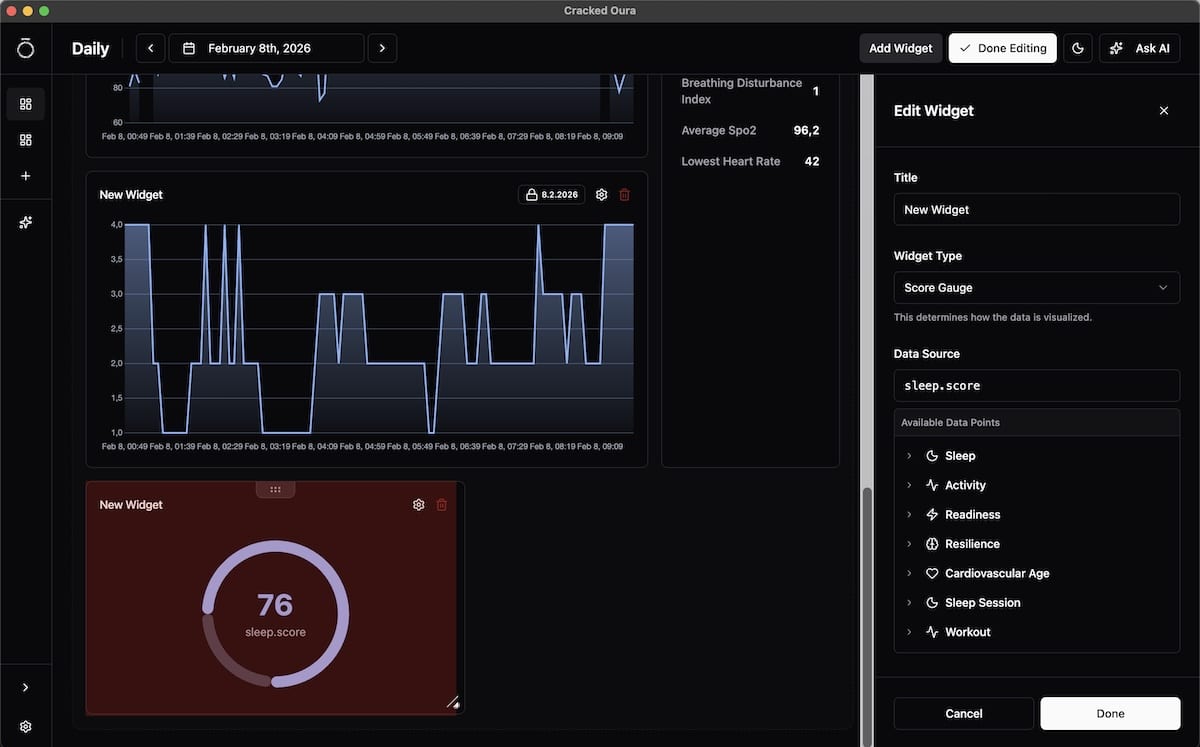
That distinction matters. This is not a hardware hack. It is a software layer that sits on top of existing user data and reshapes it into charts and summaries that run locally. The emphasis is on transparency and control rather than polished scores or daily nudges.
The developer is open about the current state of the project. It is unfinished, prone to bugs and aimed at technically comfortable users. It is not positioned as a consumer ready replacement for the official app.
Why this struck a nerve
Oura’s subscription model still rubs some people the wrong way. Basic things like readiness, sleep scores and longer term trends sit behind a paid membership. Plenty of users are fine with that. Others feel they are paying again just to see data their ring already collected.
This project taps directly into that tension. The comments beneath the Reddit post read less like excitement over a specific app and more like a broader conversation about data ownership. People are asking who health data really belongs to once it leaves your body and hits a cloud server.
That question is not unique to Oura. Fitbit and a few others all wrestle with similar issues. Oura just happens to sit at a crossroads where research grade positioning meets consumer expectations of ownership.
What this is not
It is worth being clear about boundaries. This project does not magically unlock premium features. It does not recreate Oura’s scoring models. It does not claim medical accuracy or clinical insight. It simply exposes existing data in a different way.
It also sits outside Oura’s official terms. Users who choose to experiment with tools like this do so at their own risk. That reality is acknowledged within the thread itself, including concerns around account access and potential changes to how data exports work in the future.
ven if this particular project goes nowhere, the message is pretty clear. Wearable users are getting more tech savvy and more outspoken about how their data is treated. Open source side projects like this tend to surface when people feel boxed in, pointing to very specific frustrations.
Subscribe to our monthly newsletter! Check out our YouTube channel.
And of course, you can follow Gadgets & Wearables on Google News and add us as a preferred source to get our expert news, reviews, and opinion in your feeds.
