

Why the French Open is now allowing Whoop on court
Players at this year’s French Open will be allowed to wear fitness trackers such as Whoop during matches, ending a strange situation that saw some of the sport’s biggest names asked to remove them earlier this season.
The French Open will now allow the wearables on a trial basis, with Wimbledon and the US Open expected to follow later this year. The move comes after confusion at the Australian Open, where players including Carlos Alcaraz, Jannik Sinner and Aryna Sabalenka were told the devices were not permitted on court. To remind, these devices were already allowed on ATP and WTA Tour events.
Why the rule is changing
So why the rule change?
It all kicked off in Melbourne earlier this year. Players who regularly wear recovery bands like Whoop suddenly found themselves being told to take them off before matches, despite using them throughout the rest of the season.
There were even awkward moments on court. Carlos Alcaraz had a device hidden under his wristband during a match, while Jannik Sinner was stopped before play after an official noticed his wearable before the coin toss.
That confusion came from the fact that Grand Slams were operating under separate rules from the regular tour. The International Tennis Federation had already approved these devices, and ATP and WTA events were allowing them. But the majors were still taking a stricter approach.
Now that appears to be changing.
Players were never using them for coaching
This was never really about live coaching or someone getting tactical advice through a wrist strap. Players have been clear that the main reason for wearing these devices is recovery and health tracking.
Whoop and similar wearables track metrics such as heart rate, heart rate variability, recovery, strain, sleep, respiratory rate, blood oxygen and skin temperature. For elite players dealing with back-to-back matches, long rallies and difficult weather conditions, that data can be useful when deciding how hard to train the next day or whether the body needs more recovery.
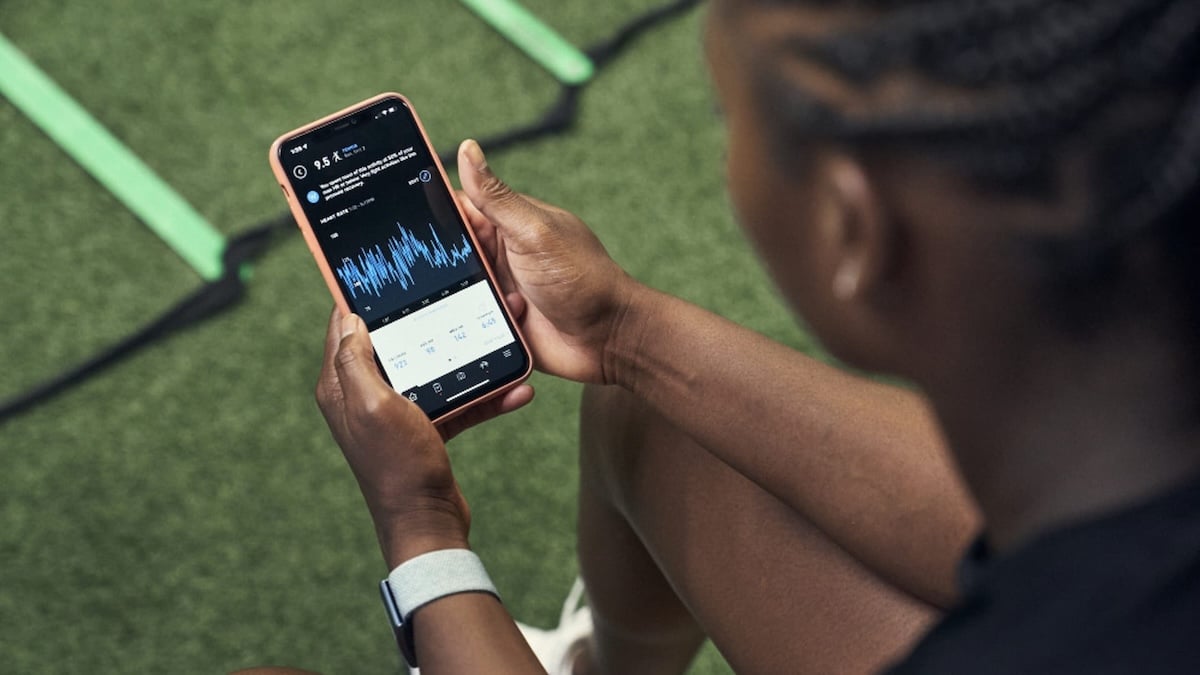
Sinner spoke about this after the Australian Open issue, explaining that after playing in the extreme Melbourne heat, he wanted to check recovery numbers and understand how his body was responding before the next round.
Aryna Sabalenka made a similar point. She said she uses the device to monitor stress and recovery between matches and was frustrated by the ban, especially because the same wearable was allowed all year on WTA events.
Why organisers are backing it
French Open tournament director Amélie Mauresmo said the decision to allow the wearables was made in order to improve the player experience and respond to what athletes were asking for. The idea is simple enough: if players want better access to their own health data, there is little reason to block it if the technology does not affect fairness.
That is probably the key point. These are not hidden performance enhancers. They are passive trackers collecting information from the body. The argument from supporters is that data should help protect players, not be treated like an unfair advantage.
In a social media post – Whoop itself leaned heavily into that argument with the phrase “Data is not steroids”. Which is dramatic but gets the point across.
For now, the bigger takeaway is that Grand Slam tennis is catching up with the rest of the tour. The French Open is treating this as a trial, but once players start using these devices openly on the biggest stages, it will be difficult to go back.
Subscribe to our monthly newsletter! Check out our YouTube channel.
And of course, you can follow Gadgets & Wearables on Google News and add us as a preferred source to get our expert news, reviews, and opinion in your feeds.
