

How AFib detection works on Fitbit Air
Fitbit Air includes AFib alerts, and the setup process gives a useful look at how Google is handling heart rhythm checks on its new screenless tracker. I have been testing the device, and the feature is built around passive irregular rhythm notifications inside the Google Health app.
The idea is simple. Fitbit Air collects heart rhythm and movement data in the background, mainly when you are still or asleep, then analyses that data after syncing. If the system finds signs of atrial fibrillation in multiple readings, it can send a notification.
That makes this a useful feature, but not a diagnosis tool. The onboarding screens make clear that Fitbit Air cannot confirm AFib, rule it out, or check for heart attacks, strokes, blood clots or other heart conditions.
This is background AFib screening, not ECG
The key thing to understand is that Fitbit Air uses irregular rhythm notifications. It does not offer a manual ECG test.
Which means, the feature relies on heart rhythm data collected from heartbeats, along with movement data that helps determine whether you are still or sleeping. That fits the Air’s design quite well. It is a small, screenless tracker built for passive use.
That also means the feature does not check constantly in real time. Fitbit Air collects and stores data until a sync happens, then the Google Health app analyses that data and can send a notification if it finds signs of AFib. In plain English, this is a delayed background check rather than a live alarm system.


Sleep and stillness are the main windows
The app repeatedly nudges users to wear the device often, especially during sleep. That is because only heart rhythm data collected while you are still can be analysed. Movement creates noise, so the system needs quiet periods to do its job.
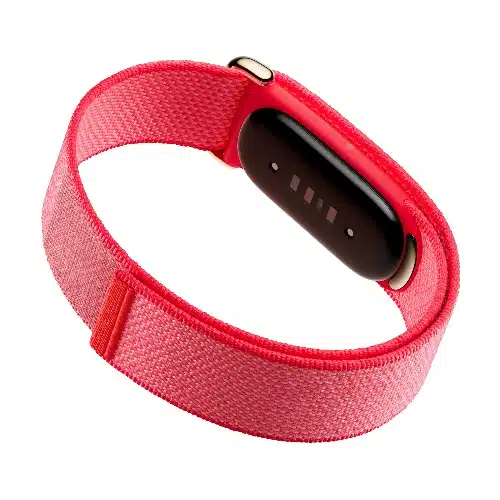
Fitbit Air*
Order nowThis is probably the right approach for a screenless tracker. Fitbit Air is not trying to behave like a medical wearable strapped to your wrist every second of the day. It is looking for rhythm patterns during calmer periods, then flagging anything that appears concerning enough for a notification.
Setup and use
The feature is not available to everyone. During setup, Google asks for your date of birth and whether you have already been diagnosed with AFib. It says irregular rhythm notifications are not available for people under 22 or those with a previous AFib diagnosis.

There are also warnings for people with a cardiac pacemaker or implantable cardioverter-defibrillator. Google says the feature has not been tested on those users, so this is not something to treat as a blanket heart-monitoring tool for every situation.
The algorithm has, apparently, been validated in a clinical study with nearly half a million participants. Google lists a 98.2 percent positive predictive value, which gives the feature some useful context.
If you receive a notification, it means the system has seen signs of AFib across multiple readings. The advice is then to talk to a healthcare provider, rather than making any changes to medication, training or daily habits on the basis of the alert alone.
Our takeaway
AFib detection on Fitbit Air is best described as passive irregular rhythm notification support. It uses heart rhythm and movement data collected in the background, mainly when the user is still or sleeping, then analyses the data after syncing with the Google Health app.
That makes it more limited than an ECG-equipped smartwatch, but still useful for the type of product Fitbit Air is trying to be. It gives Google’s screenless tracker a credible heart-health angle without adding buttons, screens or manual tests.
Don’t forget to check out my full Fitbit Air review.
Don’t miss the latest from Gadgets & Wearables
Subscribe to our monthly newsletter and check out our YouTube channel.
You can also follow Gadgets & Wearables on Google News and add us as a preferred source in Google Search.

