

CES 2026: Wearable tech products stealing the show this year
CES 2026 served up another round of innovation in the health and fitness space. From metabolic tracking and smart rings to heads-up displays and voice-driven bands, wearable tech once again took over the Las Vegas show floor.
This year’s event leaned more toward refinement than spectacle. Apple stayed absent, Fitbit and Garmin had little to say. But Withings, Zepp Health, Mobvoi and others used the stage to push the conversation forward.
The themes were clear: better insight into your long-term health, more natural interaction with devices, and fresh ideas about what wearables can actually look like. AI was everywhere, embedded into everything from sensors to software, turning once-passive devices into active coaching tools.
Here’s a look at some of the highlights. For more details, check out our complete CES 2026 coverage.
Withings focuses on longevity and glucose
Withings came into CES with two announcements that build on its long-term health ambitions.
Body Scan 2 is the company’s new flagship smart scale. It tracks over 60 metrics including heart age, arterial stiffness, nerve activity and visceral fat. It looks similar to the original Body Scan but includes a new dual-frequency BIA sensor, updated ECG functionality and improved metabolic algorithms. A scan takes just 90 seconds and gives a high-level view of your current cardiovascular and metabolic state. European availability began at the start of January, with US launch expected later pending regulatory clearance.
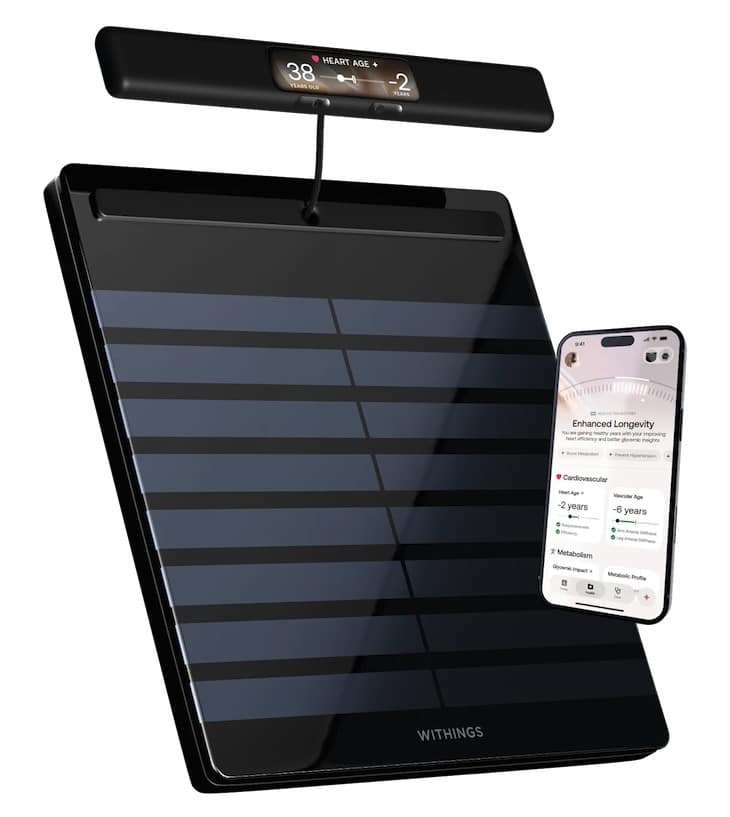
In parallel, Withings announced a partnership with Abbott. The Lingo continuous glucose monitor now syncs natively to the Withings app, allowing users to combine real-time glucose trends with their weight, activity and sleep data. This should make it easier to spot patterns and tweak behaviour without switching between multiple platforms.
RingConn Gen 3 adds haptics and health trends
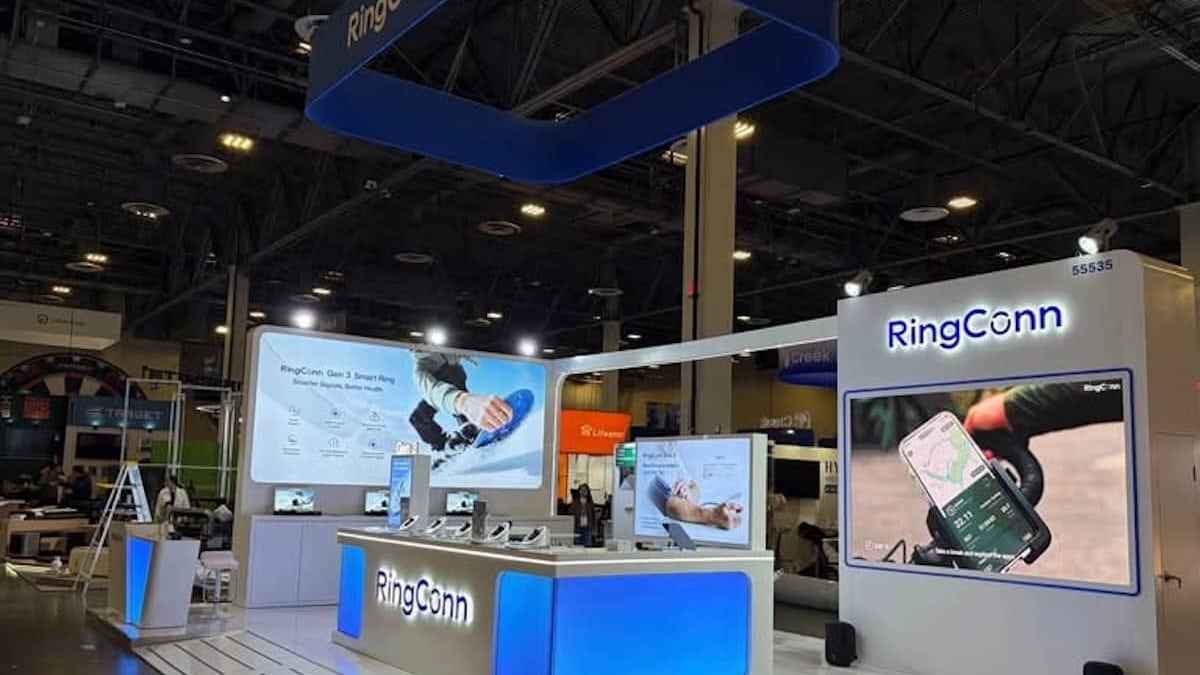
The third generation of the RingConn smart ring made its debut at the show. While it doesn’t radically change the look or feel of the hardware, it adds a few features.
One of the biggest changes is the addition of haptic feedback. Users will be able to receive subtle vibration alerts for things like high heart rate, completed activity goals or bedtime reminders. This should make the ring feel more like an interactive tool rather than just a passive tracker. Blood pressure trend tracking will also be added. Instead of offering isolated readings.
Mind you, the device is not available for purchase just yet. But expect a launch later this year.
Luna and Mobvoi explore voice as a primary interface
Two companies stood out for going all in on voice-driven interaction.
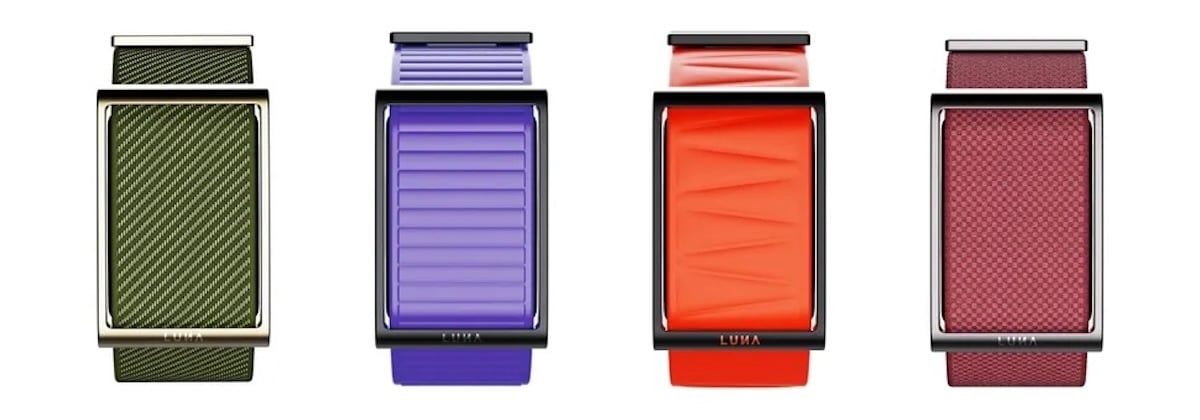
Luna Band is a display-free wearable that focuses on spoken health tracking. It listens to your voice, responds with audio feedback and removes the need to look at an app. You can ask it for sleep advice, log how you’re feeling or get reminders to move. It runs on Luna’s own LifeOS platform and includes stress, HRV and sleep monitoring under the hood. All data stays local and there are no subscription fees.
Mobvoi took a different route with the TicNote Watch. The device builds on Wear OS but prioritises speech over screens. It captures voice notes, transcribes them and can even translate in real time. This isn’t just a smartwatch that records runs. It is designed for logging thoughts, recording context and turning voice input into something more useful than a daily summary.

Zepp Health brings glanceable data and food tracking into view
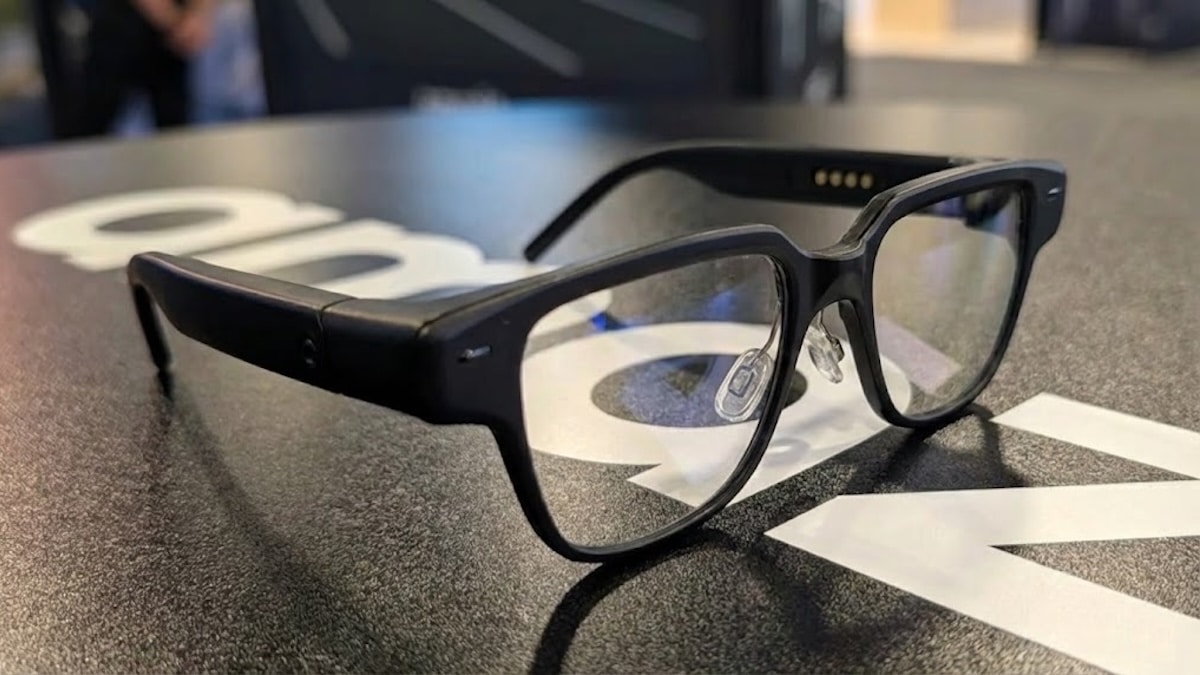
Zepp Health used CES to showcase two very different ideas. The first was Amazfit Helio Glasses, a heads-up display designed for runners and cyclists. The glasses project pace, heart rate and navigation prompts directly into your field of view. This means you don’t need to glance at your wrist mid-stride. The concept is still in development but shows the company has interest in lightweight alternatives to mixed-reality headsets.
The second was V1tal, a wearable camera that captures your meals. It’s designed to track food intake by analysing plate photos, then estimating macronutrients using AI. This builds on the company’s broader push into metabolic awareness and complements existing fitness tracking features in the Zepp Health app. It’s not yet in market, but feels like a logical next step.
Moto Watch returns with Polar tech
Motorola re-entered the smartwatch scene with a new Wear OS device built around Polar algorithms. The watch, which features a 1.43-inch OLED display and a stainless steel frame, brings back the Moto brand for a more health-focused audience. It includes Polar’s cardio load, training benefit and recovery metrics, plus VO2 Max and sleep tracking.
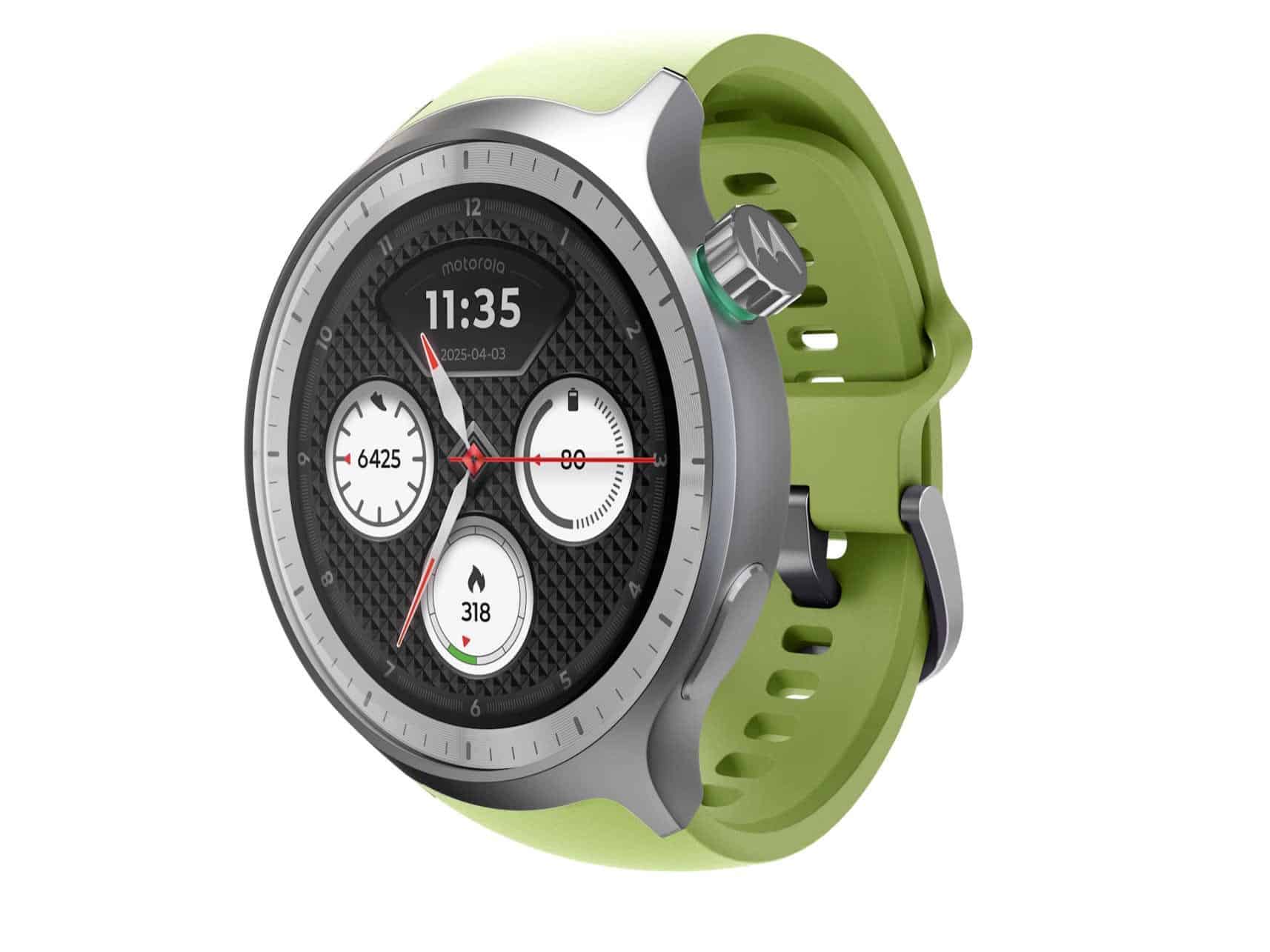
The design is clean and simple. The focus here is clearly on bringing sports science into a more mainstream smartwatch package.
Nuralogix and regulatory shifts point to what’s next
Outside of the bigger launches, CES 2026 included a few devices that hint at where health tracking could go next and how it might be regulated.
One of the more unusual examples was Nuralogix’s Longevity Mirror. This wall-mounted display estimates biological age, cardiovascular risk and metabolic health by analysing subtle changes in facial blood flow. There is no contact required. You simply stand in front of the mirror for around 30 seconds while it uses the company’s Anura AI platform to process over 80 biomarkers.
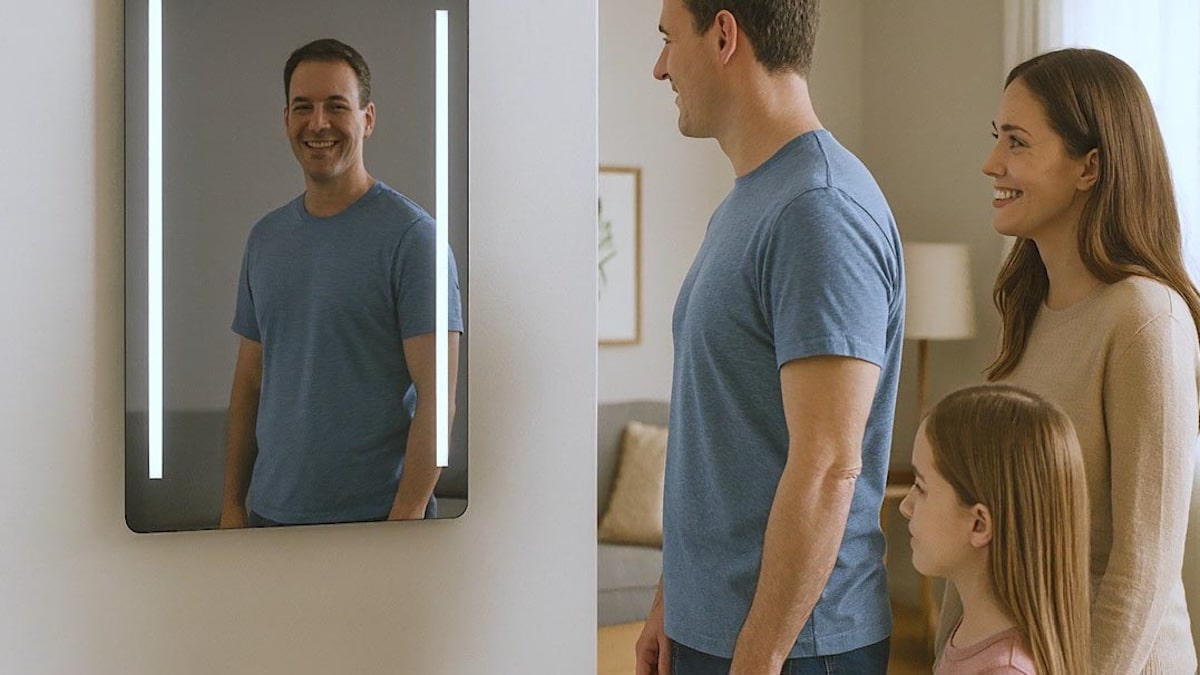
Its launch coincided with new guidance from the US FDA. The agency clarified that wellness-focused wearables and tracking tools can avoid medical device regulation as long as they steer clear of diagnostic claims. Products that focus on general wellness, such as sleep quality, stress, fitness or long-term trends, can continue without formal clearance.
That creates room for new ideas. Devices like the Longevity Mirror are unlikely to replace medical tests but could become part of a broader shift toward ambient tracking. Health monitoring may soon be built into mirrors, displays or other objects around the home, capturing data in the background and surfacing insights when needed.
Wearable tech at CES 2026 felt more embedded, less showy. Instead of trying to replace your phone or PC, most of these devices aim to support real behaviour change, often in the background. From glucose and sleep to mood and meals, the trend is clear: the next wave of wearables is less about adding features and more about making the ones we have easier to act on.
Subscribe to our monthly newsletter! Check out our YouTube channel.
And of course, you can follow Gadgets & Wearables on Google News and add us as your preferred source to get our expert news, reviews, and opinion in your feeds.
