

Luna brings voice based health logging to its smart ring
Luna is rolling out an update for the Luna Ring that adds voice interaction and lets users talk to their health data instead of tapping through screens. The focus is on making everyday logging and check ins feel less like admin.
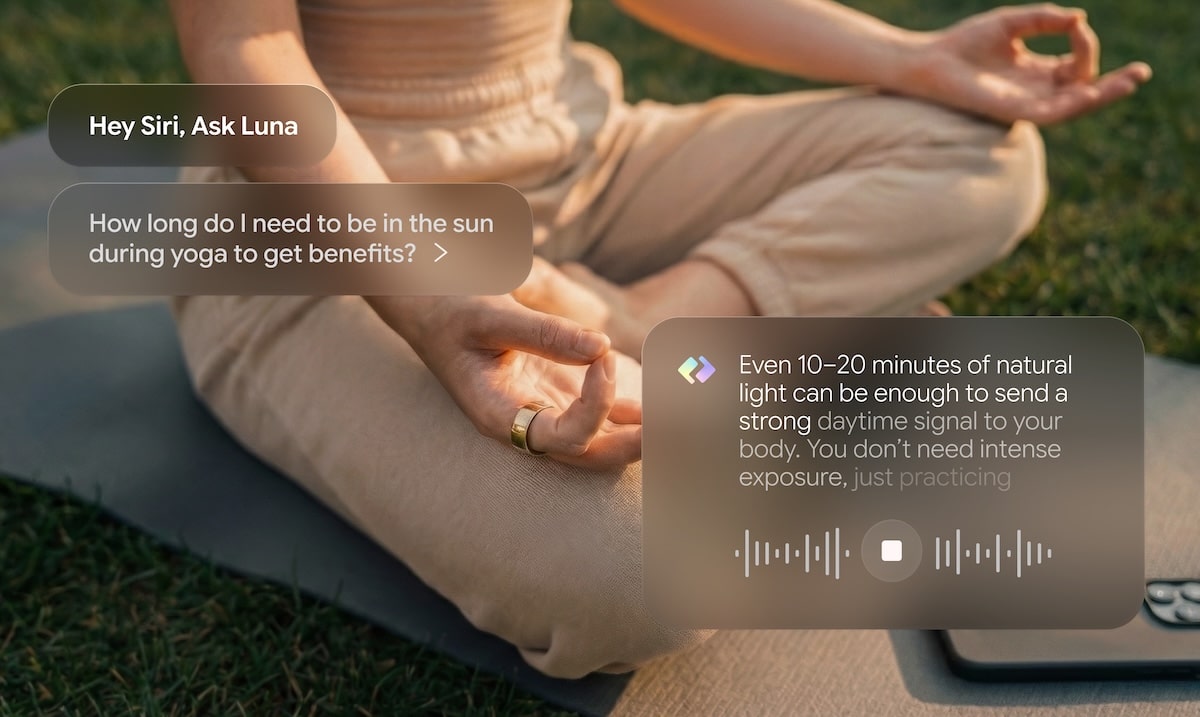
With the update, users can log things like meals, supplements, caffeine, workouts or how they are feeling using voice commands. The idea is to say it out loud and move on, rather than opening the app and working through menus. Luna also says users can ask questions about sleep, stress, recovery or performance, with responses tied to the data the ring is already collecting.
A shift away from dashboards
It helps to be clear about how this works in practice. The ring itself does not have a microphone. Voice input goes through the phone, which listens, processes the request and then links it back to the ring’s data. The ring stays focused on sensing, while the phone handles listening and processing.
That distinction matters for expectations. There is no always listening ring on your finger, and battery impact on the hardware side should be minimal.
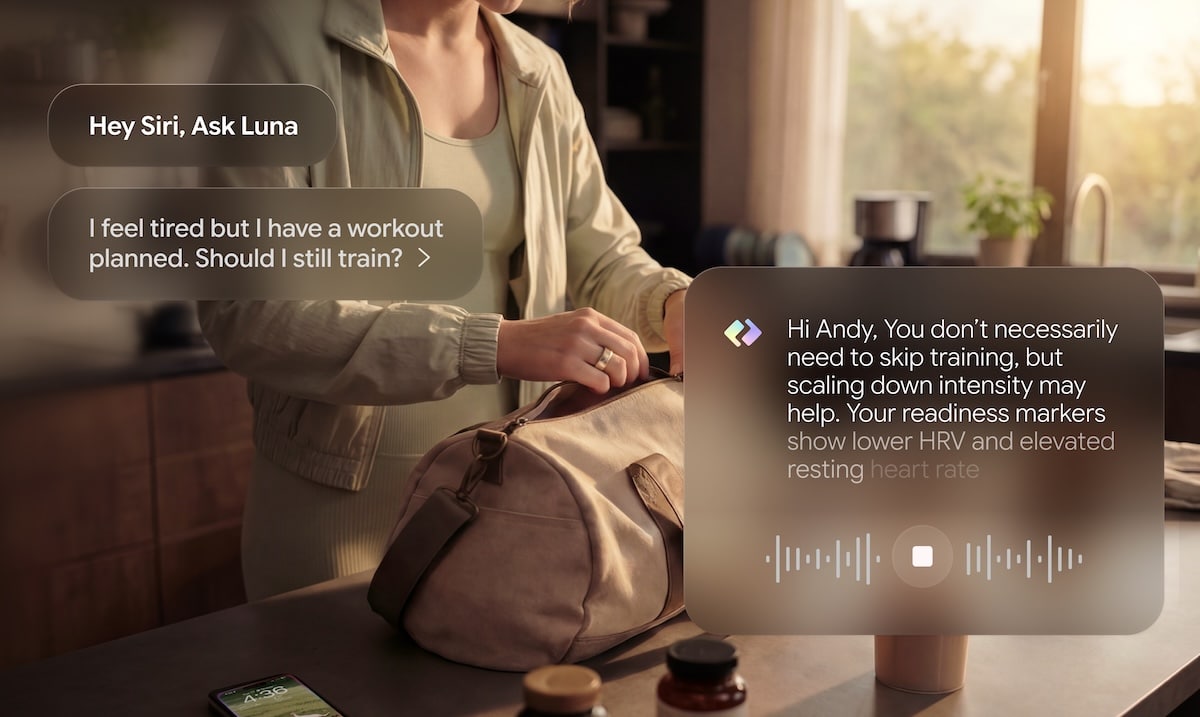
Luna is positioning this as a way to move away from dashboards and delayed insights. Instead of checking scores after the fact, users can ask questions in the moment and get responses tied to recent behaviour and biometric data.
Our takeaway
Talking to your health data makes sense in theory, especially for things people rarely log properly. Meals, caffeine and how you feel usually fall apart once tracking turns into tapping. Saying it out loud is quicker and fits better into daily routines, assuming the system actually understands what you mean.
This update also does not exist in isolation. Luna is pushing beyond the ring, most recently with Luna Band which was announced at CES 2026. It follows a similar screen free and voice first idea. That launch brought attention for the product itself but also for the legal dispute with Whoop.
The voice interaction idea itself makes sense. What really matters is how well it works day to day. Voice has to be dependable, answers need to line up with your actual data, and the feature has to hold up over time. If it does, people will probably use it. If it doesn’t, it is the kind of thing that gets tried once and then forgotten.
Subscribe to our monthly newsletter! Check out our YouTube channel.
And of course, you can follow Gadgets & Wearables on Google News and add us as a preferred source to get our expert news, reviews, and opinion in your feeds.
