

RingConn Gen 3 looks like the smarter ownership choice vs Oura Ring 5
RingConn Gen 3 showed up first in May, bringing vibration alerts, vascular trends, better battery life, and a charging case that actually comes in the box. Oura Ring 5 dropped a few weeks later. It looks slimmer, has a more polished app, and connects better with other software, but it ends up costing more over time if you want all the features.
The contrast is pretty obvious. RingConn gives you a better deal as a physical product, but Oura takes the win for its software experience.
The price difference is bigger than it looks
Oura Ring 5 starts at $399, but that only tells part of the story. Silver and Black are the entry-level finishes, while Gold, Deep Rose, Stealth and Brushed Silver rise to $499. The full app experience also needs Oura Membership, which costs $5.99 per month or $69.99 per year in the US.
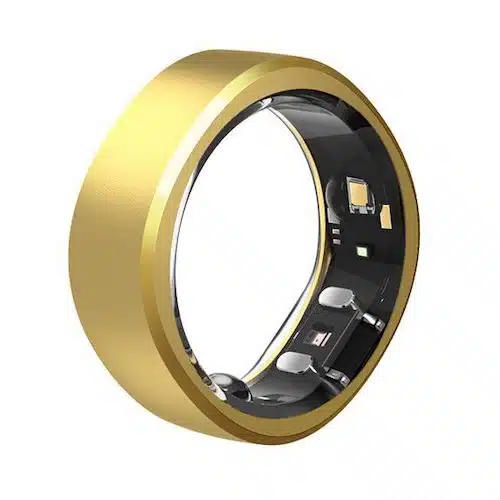
RingConn Gen 3*
View on AmazonThat subscription might seem small at first, but it stacks up fast and drives the total price way past the cost of the actual hardware. Over three years, the basic Oura Ring 5 ends up costing around $609 if you pay for the membership annually, or roughly $615 if you pay month to month. If you pick one of the premium $499 finishes, your three-year total climbs to about $709 with the annual plan.

RingConn Gen 3 keeps things much simpler. The hardware costs roughly the same as the lower cost Oura. But it comes with the charging case, and does not require a subscription, meaning the long-term cost is exactly what you pay at checkout.
This highlights the first major divide between the two. RingConn sells you a finished hardware product, while Oura uses the ring as a gateway into a paid health platform.

RingConn has the battery advantage
RingConn Gen 3 lasts up to 14 days, depending on settings. In my own review testing, that claim held up well, delivering roughly two weeks of use from a single charge.
Oura Ring 5 is rated for 6 to 9 days. That is still respectable by wearable standards, but it sits a clear step behind RingConn. For sleep and recovery tracking, longer battery life means fewer charging gaps and fewer lost nights of data.
Oura Ring 5*
Order nowCharging setups differ too. RingConn includes a portable charging case right in the box. Oura gives you a standard charging dock, making its charging case an optional extra. That m
Oura has the cleaner design
Oura Ring 5 has a slight design advantage. It is a fraction thinner and lighter, measuring 2.28mm thick and starting from just 2g. RingConn Gen 3 comes in at 2.3mm thick and weighs between 2.5g and 3.5g.
The build quality differs too. Oura features a full titanium exterior and interior with a superhard PVD coating, while RingConn Gen 3 combines titanium with epoxy resin. RingConn still feels comfortable and well made, but Oura delivers a cleaner, jewelry-style construction.
In my review, I did not find RingConn’s extra thickness noticeable, even with the larger battery and vibration motor. But Oura has the design edge if the buyer wants the slimmer, lighter ring with the more premium material finish.
RingConn offers larger sizes
RingConn Gen 3 comes in sizes 6 to 15, while Oura Ring 5 stops at size 13.
That wider range gives RingConn a clear advantage if you have larger fingers. It also offers more flexibility if you like to swap your ring between different fingers depending on comfort, hot weather swelling, or training sessions.
If you own an older version of the RingConn and plan to upgrade, definitely order the new sizing kit first. The sizes changed slightly for this latest generation, so your old size might not match up perfectly.
Oura has the stronger app
Oura takes its biggest win in the software department. The app looks more polished, feels easier to understand, and does a much better job of turning raw numbers into a clear story about your daily health.
It also brings a stronger ecosystem to the table. Oura offers more integrations, better retail visibility, and deeper links with popular health platforms. For women’s health tracking specifically, the app ecosystem gives Oura a massive advantage.
RingConn still delivers all the vital stats. You get sleep, recovery, heart rate, HRV, temperature trends, SpO2, and Vascular Trend data, which gives you plenty of detail for day-to-day health tracking.
Where RingConn falls a bit short is interpretation. The app still needs to do a better job of explaining what changed and what actually deserves your attention. Oura stands out here, offering a cleaner, more intuitive daily readout for sleep, readiness, stress, and activity.
RingConn has vibration alerts
RingConn Gen 3 packs a built-in vibration motor, something Oura Ring 5 simply does not have.
This gives RingConn a unique feature that Oura cannot match right now. The buzz feels discreet and works well when it triggers, though the functionality still needs some polish. Alerts can be inconsistent, and the most obvious missing feature is a proper wake-up alarm, so it definitely feels like a work in progress.
Oura Ring 5*
Order nowRingConn plans to roll out vibration alarm features through over-the-air updates in late 2026. If the company executes this well, it could easily become one of the most useful everyday features on the Gen 3.
Vascular Trend gives RingConn a different health angle
RingConn Gen 3 brings one specific metric to the table that Oura does not directly match. The Vascular Trend feature monitors long-term changes in your vascular health.
That gives RingConn a more specialized health focus. You will not just check this stat once and forget about it, as the trend line becomes way more useful over time once the ring establishes your personal baseline.
RingConn Gen 3*
View on AmazonOura offers a broader overall suite of heart-health tools and does a superior job of blending different signals into its main app interface. RingConn takes a more direct approach, which gives the Gen 3 a distinct identity centered on long-term wellness rather than making it look like a budget alternative to Oura.
Neither ring is the right sports watch replacement
RingConn Gen 3 handles basic daily activity just fine. The step count works well enough for normal use, and the ring gives you helpful movement context to pair with your sleep and recovery data.
Workout tracking is where you need to keep expectations realistic. Distance accuracy comes close enough on outdoor runs, but tracking heart rate from a finger gets tough to trust once your intensity rises. Grip, constant hand movement, and changing blood flow all create major challenges for optical sensors inside a ring.
Oura Ring 5 brings improved activity features to the table, but it hits the exact same hardware limitations. Smart rings perform best as passive health and recovery trackers. For serious training sessions, a dedicated sports watch or a chest strap still makes a lot more sense.
RingConn Gen 3 is the way to go if you want pure value, long battery life, a bundled charging case, vibration alerts, bigger sizes, and zero subscription fees. It just feels like the more practical device to live with every day.
Oura Ring 5 makes more sense if you prefer a thinner design, a superior app, and better third-party integrations. It definitely feels more polished, but it comes with a higher price tag and sticks you with that monthly membership.
The bottom line is simple. RingConn Gen 3 gives you the better hardware deal. Oura Ring 5 serves up the better software ecosystem, assuming you are okay with the extra ongoing cost. Either way, both rings will deliver the core data you actually need.
See how this model compares with the other options in our guide to the best smart rings.
Tech specs comparison
Spec | RingConn Gen 3 | Oura Ring 5 |
|---|---|---|
Subscription | No subscription | Membership needed for full experience |
Battery life | Up to 14 days | 6 to 9 days |
Charging | Universal case included | Standard charger included |
Thickness | 2.3mm | 2.28mm |
Weight | 2.5g to 3.5g | From 2g |
Sizes | 6 to 15 | 6 to 13 |
Materials | Titanium with epoxy resin | Full titanium |
Vibration | Yes | No |
Main advantage | Battery, value and ownership | App, design and ecosystem |
