

I ran 5K with the Fitbit Air vs Garmin – and came away impressed
I took Fitbit Air out for a 5K run against a Garmin, mainly to see whether Google’s screenless tracker could keep up on the basics. It did better than expected, especially on heart rate, although the experience still feels very different from running with a proper sports watch.
The test was simple enough. I wore Fitbit Air for a 5K run and compared the results against a high-end Garmin Forerunner, using the same route around central London in warm conditions. This was not a lab test and I would not pretend otherwise, but it was a useful real-world check of how close the two platforms come when you head outside for a normal run.
The Garmin recorded 4.96km, with an average pace of 6:01/km. Fitbit Air logged 4.92km, with a listed pace of 6:00/km. That is close enough to be encouraging, particularly given that Fitbit Air relies on Connected GPS rather than built-in GPS.
The heart rate result was the part that stood out most. Garmin showed an average heart rate of 135 bpm and a maximum of 147 bpm. Fitbit Air also showed an average of 135 bpm, with a maximum of 146 bpm. For a small, lightweight screenless device, that is a very solid match.


Running without a screen feels odd
The biggest difference is not the numbers. It is the feel of the run. Fitbit Air has no screen, so you do not get that glance-at-the-wrist habit that comes naturally with a Garmin.
You need to start the run from the smartphone app. In theory, you can still look at your phone during the session for live stats, but that changes the rhythm of the run. It makes the Fitbit Air feel less like a sports watch alternative and more like a passive tracker that happens to handle workouts.
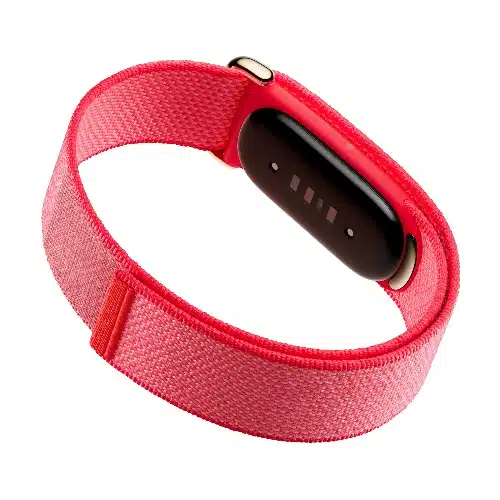
Fitbit Air*
Order nowThat can be good or bad, depending on what you want. I found it slightly strange at first, because I am used to checking pace, heart rate and distance mid-run. After a while, though, it was also quite freeing. There is something clean about just running without a small dashboard on your wrist nagging for attention.
Still, anyone training to a pace target will feel the limitation quickly. A screenless device can work nicely for casual runs and background tracking, but it is less useful when you want to adjust effort in real time. Garmin wins that part before the run even starts.


The Fitbit Air is almost forgettable on the wrist
The upside of the Fitbit Air design is comfort. It is very light on the wrist and almost disappears once you start moving. That is not a small thing for people who dislike wearing larger watches while running.
Garmin gives you more data and more control, but it also feels like a watch. Fitbit Air feels closer to a simple band or pod. That makes it easier to imagine wearing it all day and all night, which is clearly the broader idea behind the device.
On this run, the lack of bulk was noticeable in a good way. I did not think about it once after starting. For a device built around passive health and fitness tracking, that is probably the point.
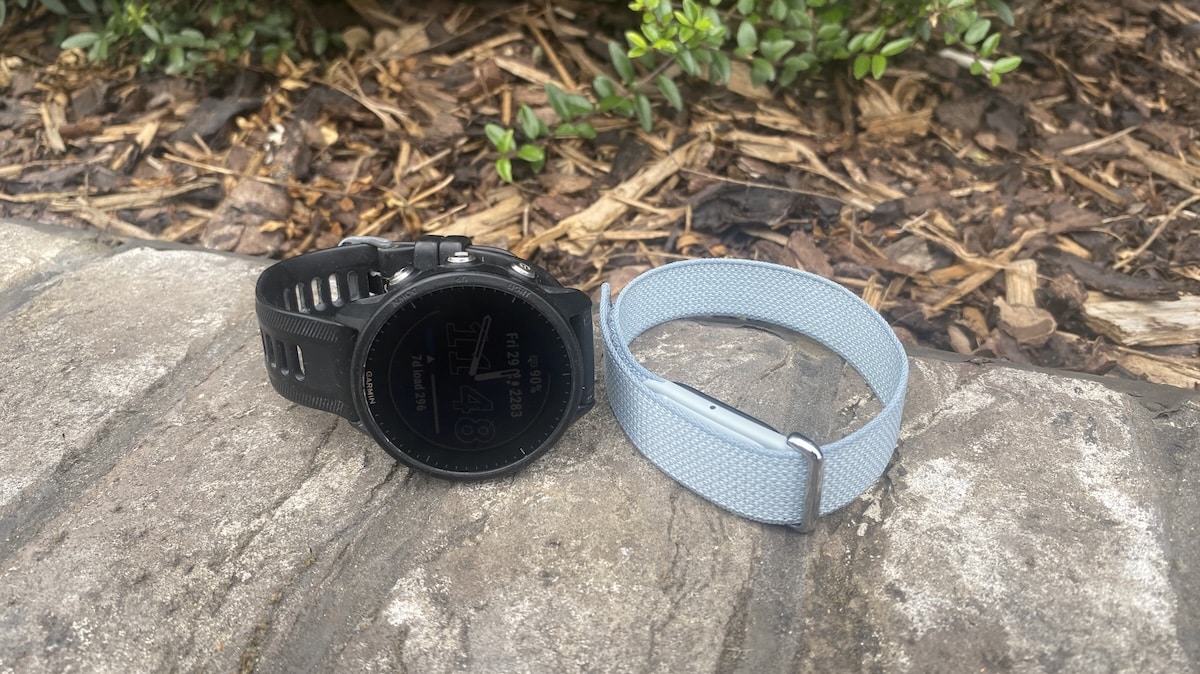
The core stats were surprisingly close
The headline comparison is tighter than I expected. Fitbit Air came in 40 metres shorter than Garmin, which is a small difference over a 5K effort. An identical 135 bpm average and only a 1 bpm difference in max heart rate is about as close as you could reasonably hope for in a casual field test.
That is a solid result for a small, screenless tracker using Connected GPS. For the basics most people check after a run, namely distance, pace, heart rate and calories, Fitbit Air held up well.
The gap appears when you look beyond those headline numbers. Garmin gives much more training context, including training effect, exercise load, stamina, power, cadence, stride length and running dynamics.
Fitbit Air keeps things much simpler. The stats don’t go as deep – and in a sense the smartphone app feels like it is still work in progress. This is where Google has some work to do. Fitbit Air can collect useful data, and this run suggests the core tracking is better than some might expect. The bigger question is whether the app can turn that data into something more useful without making the device feel overcomplicated.
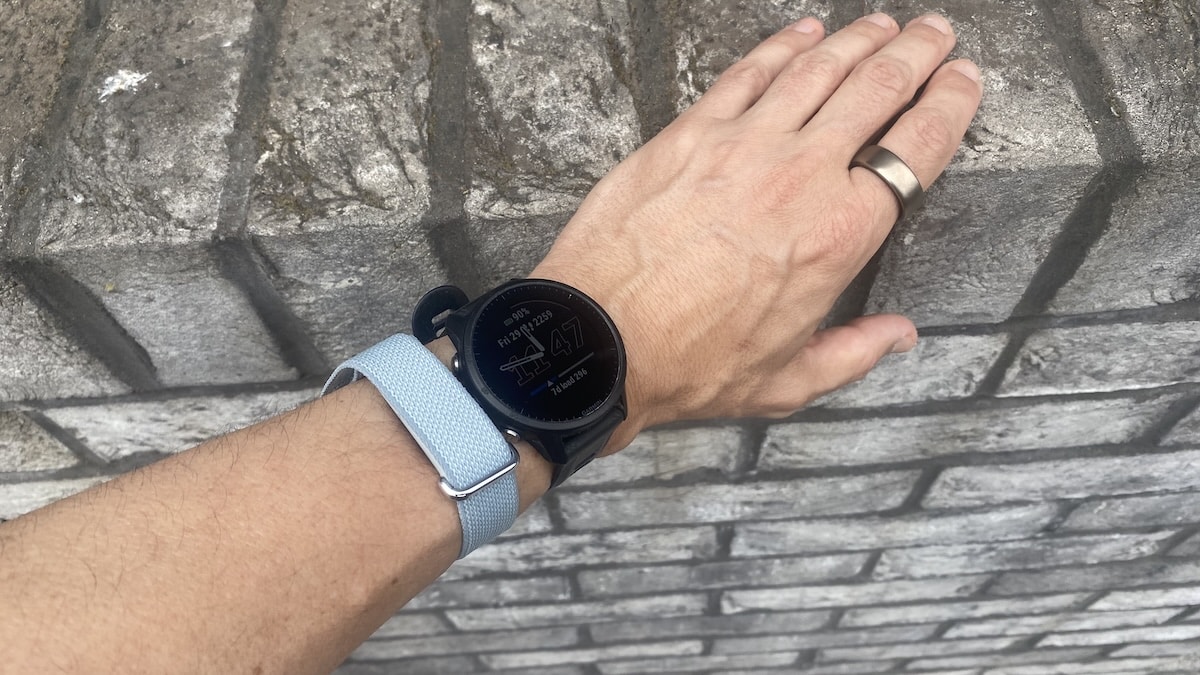
The takeaway
I came away more impressed with Fitbit Air than I expected. Against Garmin, it was close on distance and heart rate, which are the numbers most people will care about after a normal 5K run.
It is not a Garmin replacement for runners who want on-wrist stats, built-in GPS and detailed training analysis. But that is probably not the right way to look at it. Fitbit Air feels more like a light, low-friction tracker that can handle a run well enough while staying out of the way the rest of the time.
Fitbit Air*
Order nowThat screenless design will divide people. Some runners will hate giving up live wrist stats. Others may enjoy the simplicity, especially if they mostly run by feel and check the results afterward.
For me, the surprise was not that Garmin gave the richer experience. That was expected. The surprise was that Fitbit Air got the basic run data this close while feeling almost invisible on the wrist.
Don’t forget to check out my full Fitbit Air review.
Don’t miss the latest from Gadgets & Wearables
Subscribe to our monthly newsletter and check out our YouTube channel.
You can also follow Gadgets & Wearables on Google News and add us as a preferred source in Google Search.

