

Xiaomi Smart Band 10 Pro changes just enough vs the 9 Pro
Xiaomi Smart Band 10 Pro has now launched in China, bringing a brighter display, faster charging and sleep HRV to a familiar Pro band format. It keeps much of the Smart Band 9 Pro formula intact, including the same screen size, GNSS support and 21-day battery claim.
I reviewed the Smart Band 9 Pro last year, so I was keen to see what Xiaomi had actually changed this time. On paper, the answer is a mix of sensible upgrades and some familiar carry-overs. For the longer answer, keep reading.
View on Xiaomi’s website.
Jump to
The design gets a cleaner premium push
At first glance, Xiaomi has not ripped up the Smart Band Pro formula. Not even close.
The Smart Band 10 Pro still sits in that odd but useful space between a large fitness tracker and a small smartwatch. That was already true of the Smart Band 9 Pro, which felt much closer to a smartwatch than a traditional narrow fitness band.
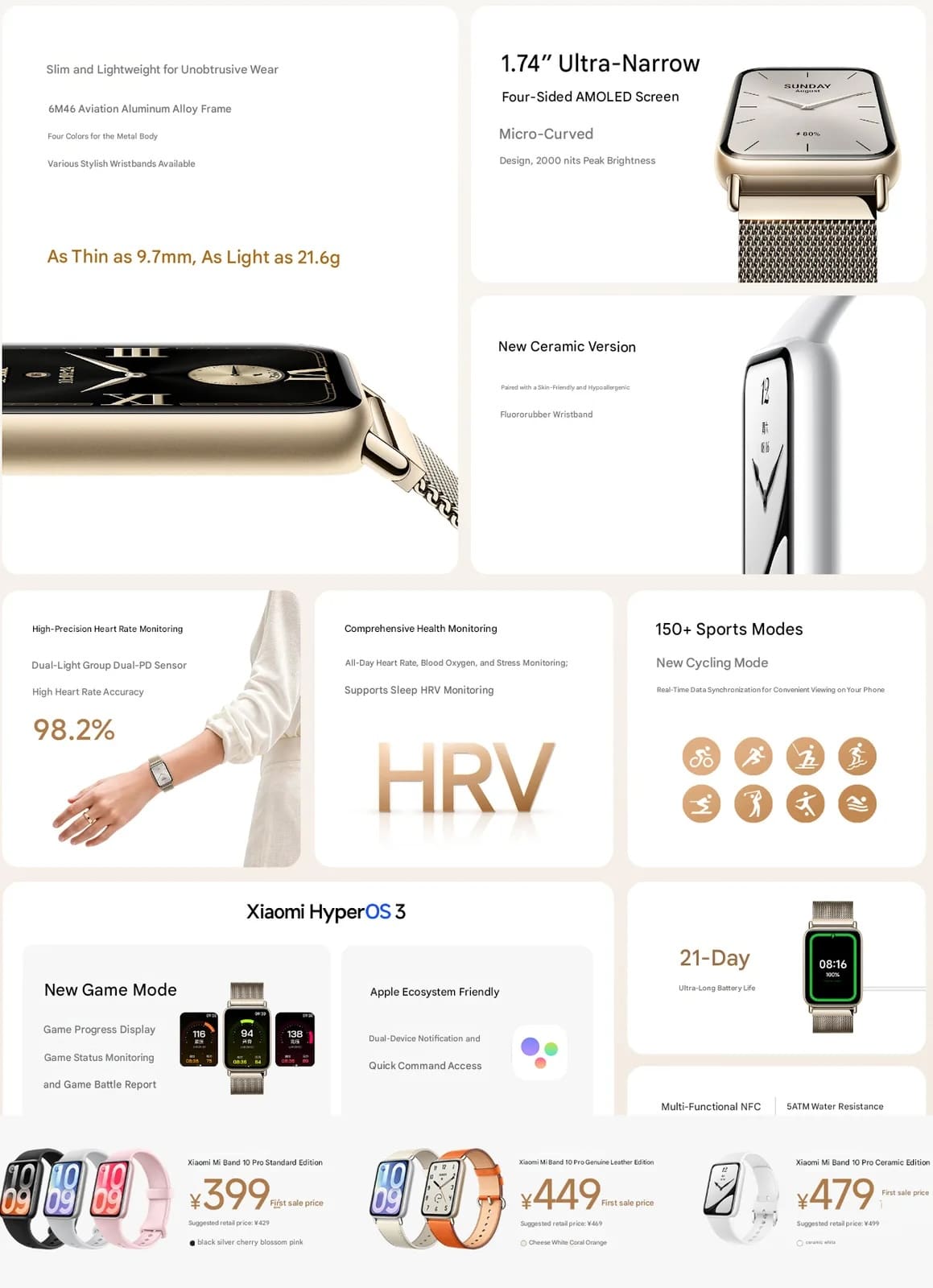
The difference is in the finish. The new model uses a 6M46 aviation aluminium alloy frame, while the Smart Band 9 Pro used an aluminium alloy frame with a fibre polymer rear. Xiaomi is also adding a ceramic edition this time, which gives the 10 Pro a slightly more premium angle without turning it into a full smartwatch. And you can opt for the edition with a Genuine Leather strap.
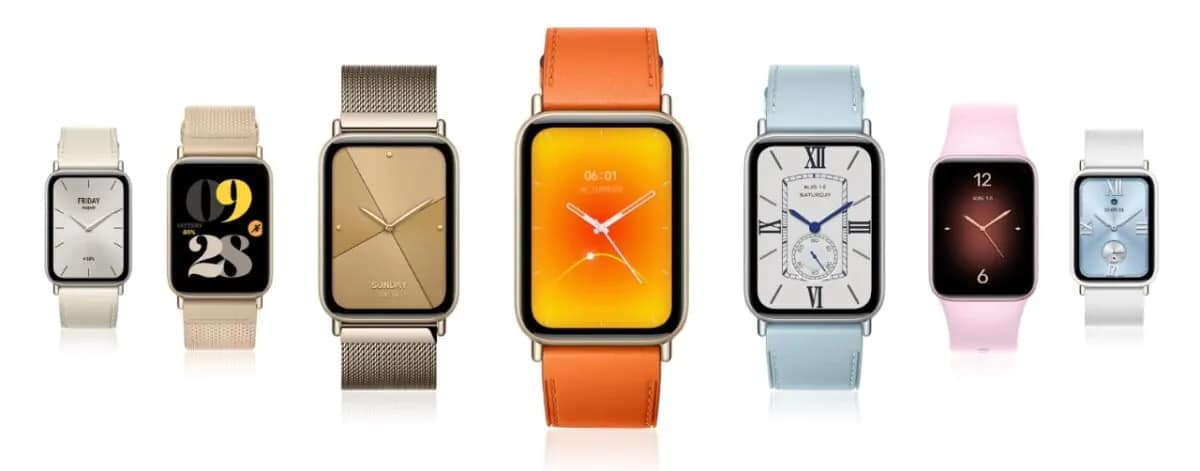
The dimensions tell a similar story. The metal Xiaomi Smart Band 10 Pro measures 42.84 × 32.16 × 9.7mm, while the ceramic edition comes in at 43.97 × 33.35 × 9.7mm. The Smart Band 9 Pro measures 46 × 33.35 × 9.99mm, so the new model is a little thinner and more compact, at least on paper.
Weight also improves. Xiaomi lists the 10 Pro at 21.6 grams without strap, compared with 24.5 grams for the 9 Pro. So some slight changes there, as well.
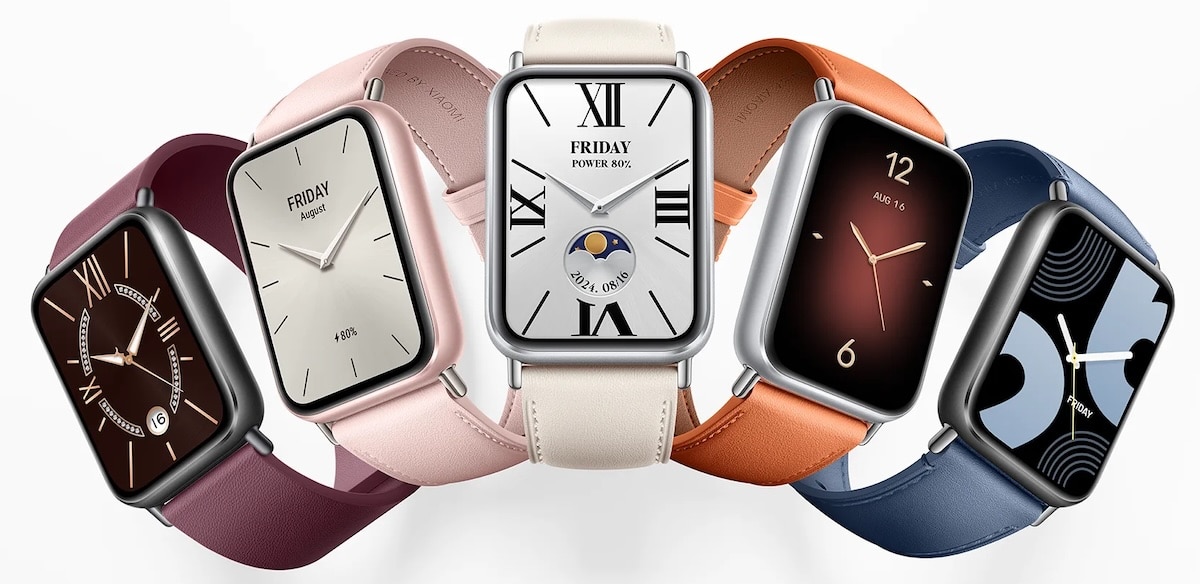
The display is the most obvious upgrade
Both models use a 1.74-inch AMOLED display with a 336 × 480 pixel resolution. That means Xiaomi has not increased the display size or pixel count. Instead, the company has focused on brightness and the way the panel sits inside the body.
The Smart Band 10 Pro gets a micro-curved AMOLED display with what Xiaomi describes as an ultra-narrow four-sided design. Peak brightness rises to 2000 nits, compared with 1200 nits on the Smart Band 9 Pro. That should be the easiest upgrade to notice outdoors.
In my Smart Band 9 Pro review, the display already stood out as one of the better parts of the device. It was bright, colourful and easy to read while running. The 10 Pro does not need to fix a weak point here. It simply pushes one of the 9 Pro’s strengths further.
That is probably the right move. Cheap fitness bands often feel cheap because of their screens, not because of the tracking. A brighter and cleaner panel helps the 10 Pro look more like a small smartwatch, even if the underlying experience remains closer to a tracker.
Health tracking finally gets HRV
The biggest health upgrade is not the sensor list itself, because both watches include an accelerometer, ambient light sensor, gyroscope, optical heart rate sensor and geomagnetic sensor. The change is in the heart-rate hardware and the extra data Xiaomi is now surfacing.
The Smart Band 10 Pro uses a new dual-light, dual-PD sensor setup. Xiaomi’s promo material also mentions 98.2% heart-rate accuracy, although that number will need real-world testing before it means much. Lab claims rarely tell the full story when wrists move, sweat builds and workouts become messy.
The more useful addition is sleep HRV. The Smart Band 9 Pro covered the basics well, including heart rate, SpO2, stress, sleep and women’s health tracking. But HRV was one of the obvious missing pieces in my review. I was hoping Xiaomi would add it then, and the 10 Pro finally does.
This matters because HRV gives Xiaomi a better route into recovery tracking. It does not automatically make the 10 Pro a serious recovery wearable, but it gives the device a stronger foundation than the 9 Pro had. If Xiaomi handles the interpretation well in the app, this could be one of the more useful upgrades.
On the topic of sleep, you also get Algorithm 2.0. It is said to improve fall-asleep and wake-up detection accuracy by 11%.
Sports tracking stays familiar
For sports, Xiaomi has kept the broad structure intact. Both devices support more than 150 sports modes, and both include GNSS with BeiDou, GPS, GLONASS, Galileo and QZSS. So no surprises there.
In my testing, the 9 Pro locked onto GPS quickly and performed much better than its price would suggest. On runs, it tracked close to my Garmin Forerunner 955, with only small differences in distance and heart-rate readings. That gives the 9 Pro genuine credibility as a low-cost fitness device rather than just a notification band with workout modes.
The 10 Pro adds a new cycling mode angle, with real-time data synchronisation to the phone for easier viewing. That sounds useful, especially for riders who mount their phone on the bars and want larger live data without buying a separate cycling computer.
Battery improves in the right place
Battery life looks familiar at first because both models claim up to 21 days. The difference is that Xiaomi has moved from a 350mAh battery on the Smart Band 9 Pro to a 380mAh silicon-carbon battery on the Smart Band 10 Pro.
That extra capacity does not translate into a longer headline figure, but it may help offset the brighter display and added features. With the 9 Pro, real-world battery life depended heavily on settings. Always-on display, GPS sessions and continuous health tracking could bring it down, but it still lasted well over 10 days with heavier use in my testing.
Charging is where the 10 Pro makes a clearer move. The new model supports magnetic fast charging and can reach 80% in 25 minutes. The Smart Band 9 Pro takes around 75 minutes for a full charge.
Specs comparison: Xiaomi Smart Band 10 Pro vs 9 Pro
Spec | Xiaomi Smart Band 10 Pro | Xiaomi Smart Band 9 Pro |
|---|---|---|
Launch status | China launch, May 2026 | October 2025 |
Versions | Standard, Genuine Leather Edition and a ceramic version | Standard |
Case | 6M46 aviation aluminium alloy, ceramic option | Aluminium alloy frame with fibre polymer rear |
Dimensions | Metal model 42.84 × 32.16 × 9.7mm, ceramic edition 43.97 × 33.35 × 9.7mm | 46 × 33.35 × 9.99mm |
Weight without strap | 21.6 grams | 24.5 grams |
Display | 1.74-inch micro-curved AMOLED | 1.74-inch AMOLED with 2.5D glass |
Resolution | 336 × 480 pixels | 336 × 480 pixels |
Brightness | Up to 2000 nits | Up to 1200 nits |
Sensors | Accelerometer, ambient light sensor, gyroscope, optical heart rate sensor and geomagnetic sensor | Accelerometer, ambient light sensor, gyroscope, optical heart rate sensor and geomagnetic sensor |
Battery | 380mAh silicon-carbon battery | 350mAh battery |
Battery life | Up to 21 days | Up to 21 days |
Charging | Magnetic fast charging, 25 minutes to 80% | Magnetic charging, approx 75 minutes to full |
Water resistance | 5ATM | 5ATM |
Connectivity | Bluetooth 5.4, GNSS, NFC depending on region/version, BeiDou, GPS, GLONASS, Galileo and QZSS | Bluetooth 5.4, GNSS, NFC depending on region/version, BeiDou, GPS, GLONASS, Galileo and QZSS |
Health sensor setup | New dual-light, dual-PD sensor setup (claimed to be 98.2% accurate) | Optical heart-rate and pulse oximeter sensor |
Health tracking | Heart rate, SpO2, stress, sleep, women’s health, sleep HRV | Heart rate, SpO2, stress, sleep, women’s health |
Sports tracking | 150+ sports modes | 150+ sports modes |
Haptics | Linear motor | Linear motor |
OS | HyperOS 3 | HyperOS 2 |
Price | In China starts at $60, Genuine Leather Edition $66, Ceramic Edition $70. | $80 |
The smartwatch extras are still region-sensitive
Xiaomi is also talking up HyperOS 3, Apple ecosystem support, dual-device notifications, quick command access, game mode, NFC and 5ATM water resistance. Some of this looks genuinely useful, especially the improved iPhone friendliness. Xiaomi bands have always been strongest inside Xiaomi’s own ecosystem, so better Apple compatibility could widen the appeal.
The usual warning still applies. NFC depends on region and version, so buyers outside China should not assume they will get the same payment experience shown in Chinese launch material. This was one of the weaker points of the Smart Band 9 Pro, where NFC remained restricted and less useful for global buyers.
The game mode is a stranger addition. Xiaomi shows game progress display, game status monitoring and battle reports. It may appeal to a specific crowd, but it is probably not the reason most people will buy a fitness band.
For most users, the more useful smart features remain notifications, media controls, find phone, alarms and app integration. The 9 Pro handled these well enough, though it still lacked proper replies and full smartwatch depth. The 10 Pro seems to extend the formula rather than replace it.
Bottom line
The Xiaomi Smart Band 10 Pro looks like a continuation of a winning formula. The brighter 2000-nit display, thinner body, lower weight, ceramic option, faster charging and sleep HRV support all move the product in the right direction.
It is not a massive rethink. The display size and resolution stay the same. Battery life remains rated at up to 21 days. Sports modes remain at more than 150, and GNSS support appears broadly unchanged.
That is not a bad thing. The Smart Band 9 Pro already had a strong base, especially for GPS, heart-rate tracking, comfort and battery life. Xiaomi did not need to rebuild it from scratch. It needed to make it feel more refined, add a few missing health metrics and keep the price sensible.
The 10 Pro seems to do that. The biggest real-world questions are accuracy, app interpretation of HRV and how many of the China launch features survive the global version. If Xiaomi gets those right, this could be one of the stronger budget-friendly wearable upgrades of the year.
View on Xiaomi’s website.
Don’t miss the latest from Gadgets & Wearables
Subscribe to our monthly newsletter and check out our YouTube channel.
You can also follow Gadgets & Wearables on Google News and add us as a preferred source in Google Search.


does the 9 pro support chest straps ?