

Ultrahuman Photon brings red light therapy into its recovery ecosystem
Ultrahuman has announced Photon, a $250 red light therapy device that plugs into the company’s wider recovery ecosystem. It combines 660nm red light and 850nm near-infrared light with app-based guidance, including daily protocols that can use Ultrahuman Ring data.
The idea is simple enough. Instead of buying a generic red light device and guessing where to point it, for how long and how often, Photon tries to turn the whole thing into a more structured routine.
A recovery gadget, not another wearable
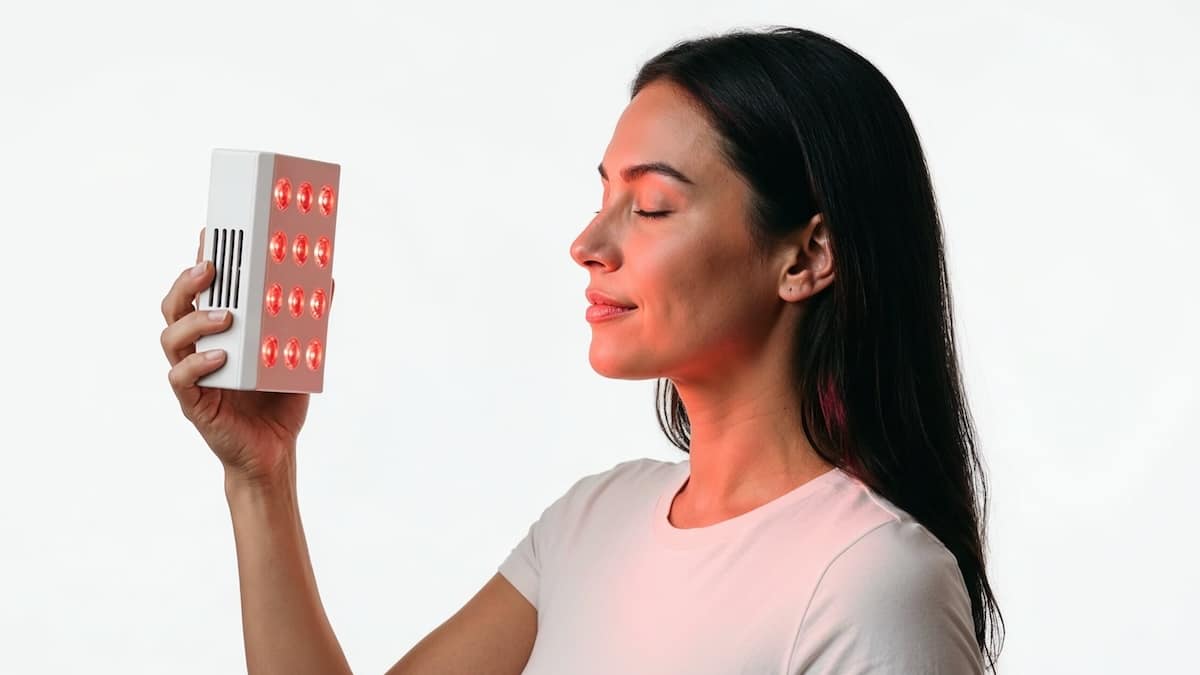
Photon is a handheld red light therapy gadget, rather than a wearable in the usual sense. It weighs 600g, measures 14.5 × 9.5 × 3.7cm, so not too big, and uses a white matte body with 12 dual-chip LEDs inside.
The device outputs both 660nm visible red light and 850nm near-infrared light. Ultrahuman says the first is aimed more at skin tone, texture and firmness, while the second reaches deeper into muscle and joint tissue. That gives Photon a broader pitch than a simple beauty gadget, even though some of the claims clearly overlap with the skin care world.
There is also a practical side to the hardware. Photon has a 6,000mAh battery, USB-C charging and a claimed six 10-minute sessions from a charge. Charging takes around 3 to 4 hours, so this is more of a home recovery tool than something most people will throw into a gym bag every day.
The app is the real angle
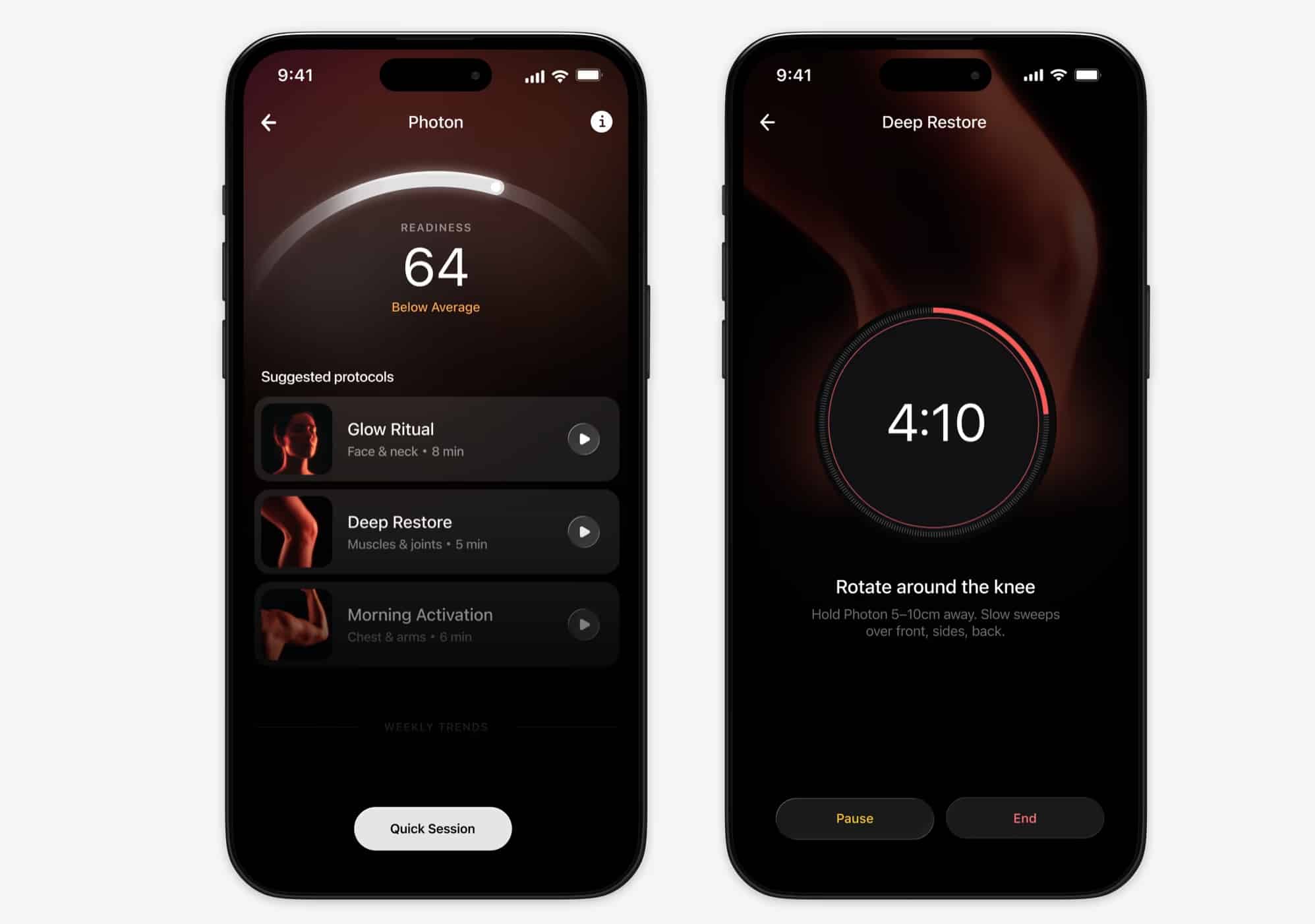
The interesting part is not just the light. Plenty of red light panels, masks and handheld devices already exist. And many of them are cheaper. Photon’s differentiator is the Photon Protocol PowerPlug inside the Ultrahuman app.
This gives users a daily plan showing where to use the device, when to use it, how far to hold it from the body and why that protocol has been suggested. For Ultrahuman Ring users, those recommendations can take recovery, sleep and activity data into account. That makes the product feel less random than a normal red light therapy gadget.
Ultrahuman already has a strong base in passive tracking through the Ring, but Photon pushes it toward active intervention. The Ring tells you how your body looks from the data. Photon then becomes one of the tools the app can point you toward when recovery looks a bit off.
Simple use, familiar claims
Using Photon looks straightforward. Ultrahuman says users should hold it 2 to 6 inches from bare skin, press the power button for 2 seconds and let it run through a 10-minute session. The device shuts off automatically once the session ends.
The company recommends 2 to 4 inches for areas such as legs, back and shoulders, and 4 to 6 inches for the face or neck. The page also mentions adherence tracking, streaks, weekly insights and guardrails around underuse or overuse.
Why this fits Ultrahuman’s direction
Photon also says something about where Ultrahuman wants to go next. The company already has the Ring as its main data product, but red light therapy moves it into a more crowded and more subjective recovery category.

That makes the app layer important. Without the protocols, Photon risks looking like another handheld red light device in a market that already has plenty of cheaper options. With the protocols, Ultrahuman can at least argue that it is adding structure to a habit many people still use in a fairly random way.
Shipping is listed from July 15 onwards, with the device priced at $250 including tax. The box includes Photon, a power adapter and a travel case.
Don’t miss the latest from Gadgets & Wearables
Subscribe to our monthly newsletter and check out our YouTube channel.
You can also follow Gadgets & Wearables on Google News and add us as a preferred source in Google Search.

