

I ran 7.5K with Amazfit Balance 3 vs Garmin side by side
On a 7.5k outdoor run, the Amazfit Balance 3 practically trailed a high-end Garmin Forerunner by just 30 meters, keeping pace on heart rate and cadence too. The real divide only cropped up when looking at elevation, training load, and how both watches actually judged the total effort.
A strong result where it counts
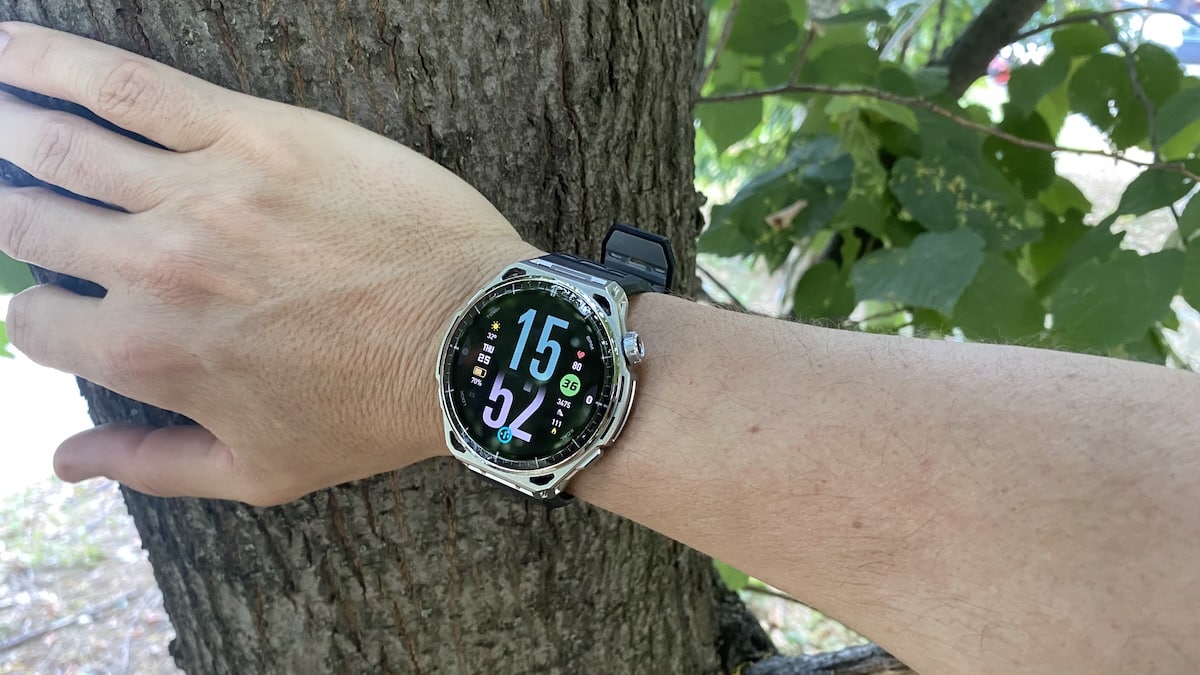
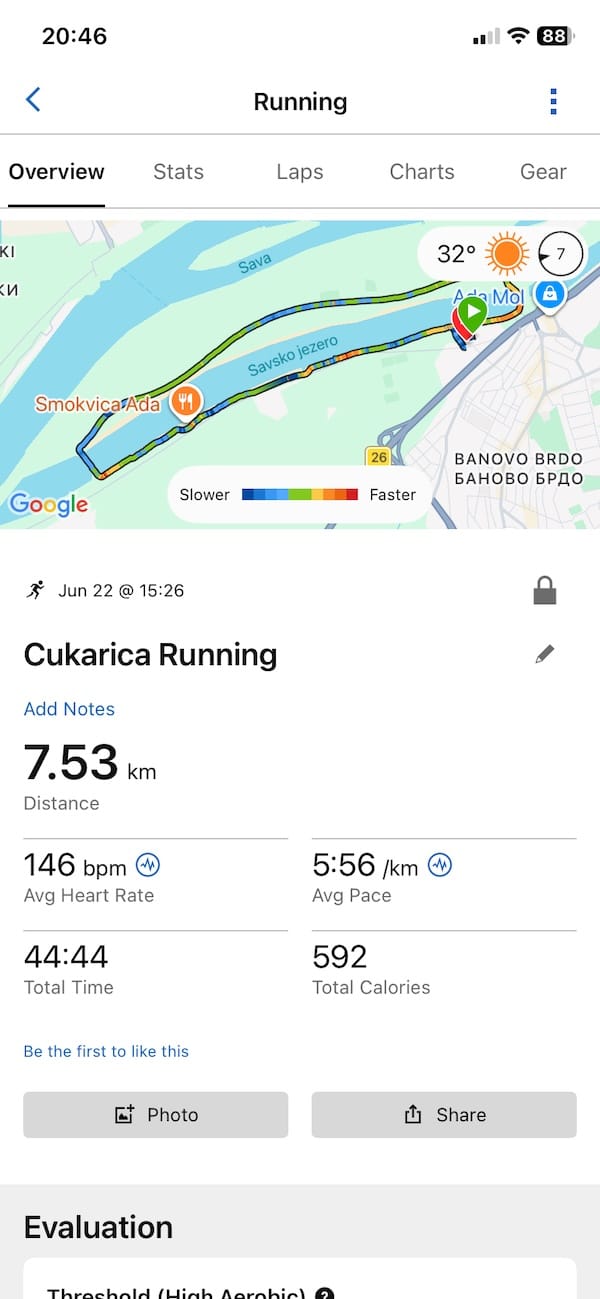
I tested the newly released Amazfit Balance 3 against a high-end Garmin Forerunner during a 7.5km run in sweltering European heat, with temperatures above 30°C. Garmin recorded 7.53km, while the Amazfit came in at 7.50km. That is a difference of just 30 metres across the full run, which is an excellent result for the Balance 3.
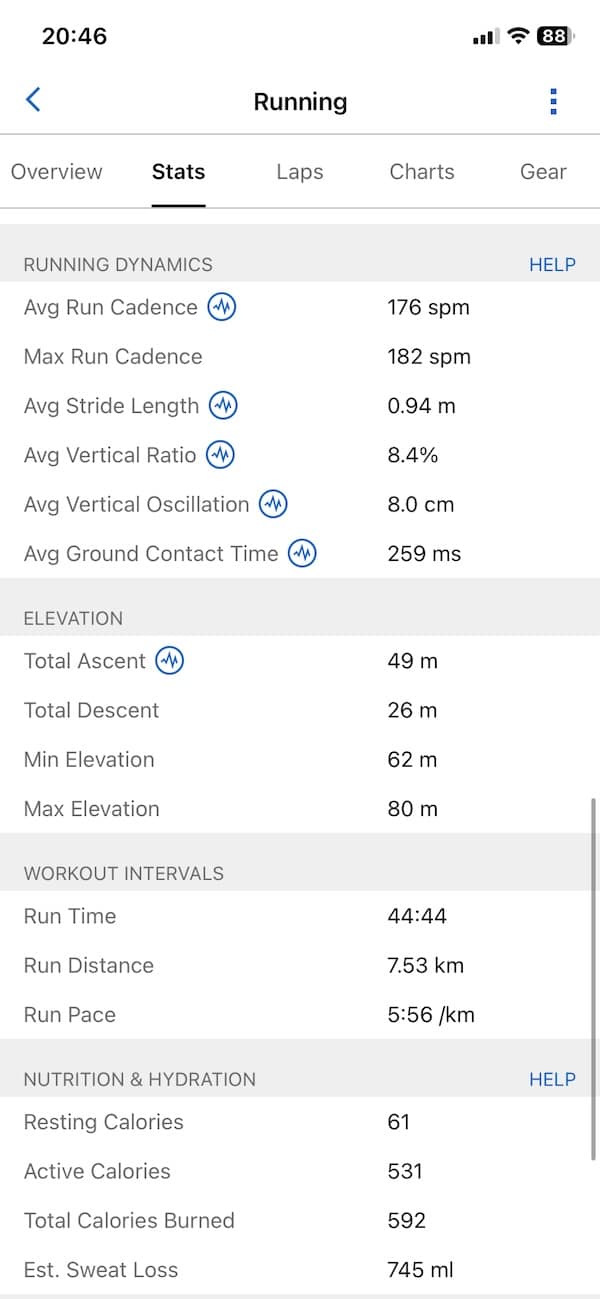
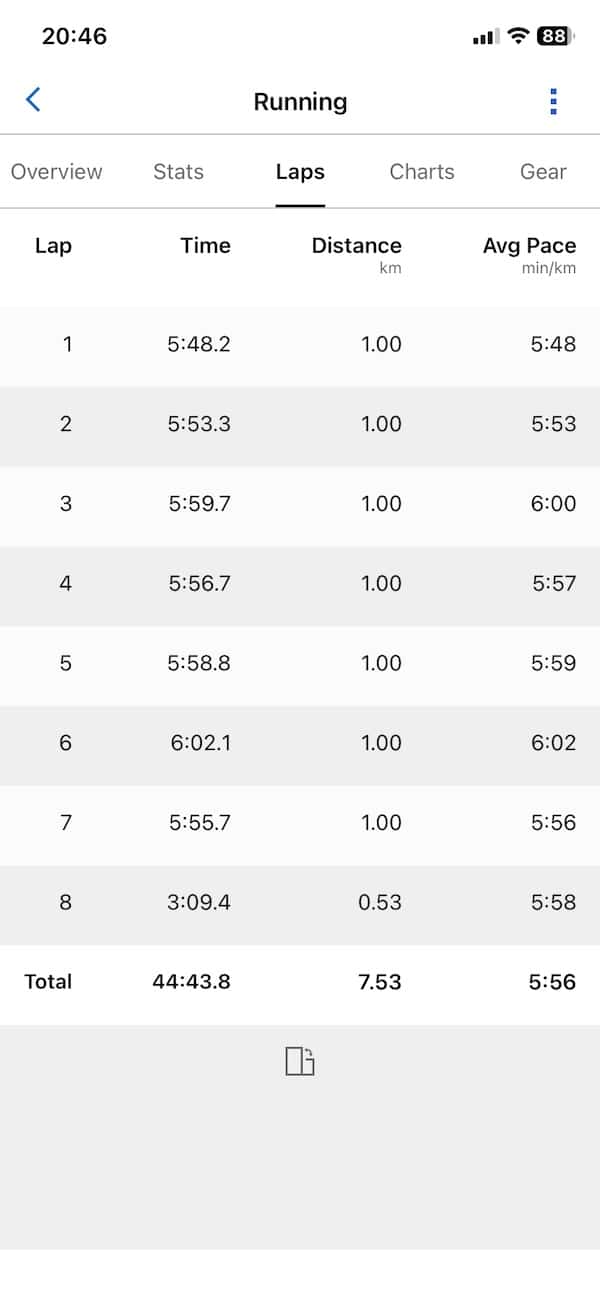
The Garmin logged a total time of 44:44, while the Amazfit showed 45:14.99 for workout time. That difference needs a little context. At the start of the run I was fiddling with the Balance 3 controls, so the first kilometre was slightly messy on the Amazfit side. That shows up clearly in the lap data.
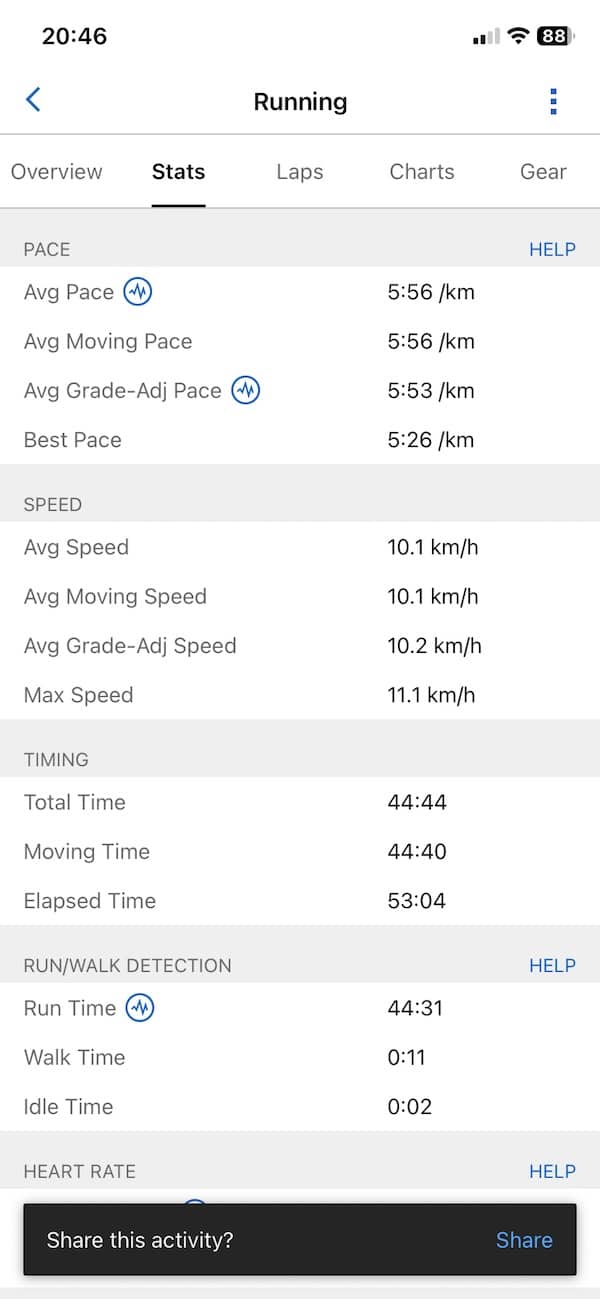
Garmin recorded the first kilometre at 5:48/km. Amazfit had it at 6:12/km. After that, the two watches were on par. Kilometre two was 5:53/km on both. Kilometre three was 6:00/km on both. Kilometre four was 5:57/km on both. You get the idea.
That makes the headline average pace look a little worse for Amazfit than the actual run suggests. Garmin finished with an average pace of 5:56/km, while Balance 3 showed 6:01/km. But remove the untidy start from the mental calculation and the Balance 3 looks much more convincing.


Heart rate was better than expected
The heart rate result was just as good. Balance 3 is a large watch and I have small wrists, so I was not expecting miracles from the optical sensor. Large watches can move more during runs if the fit is not right, especially when the case has more surface area sitting above the wrist.
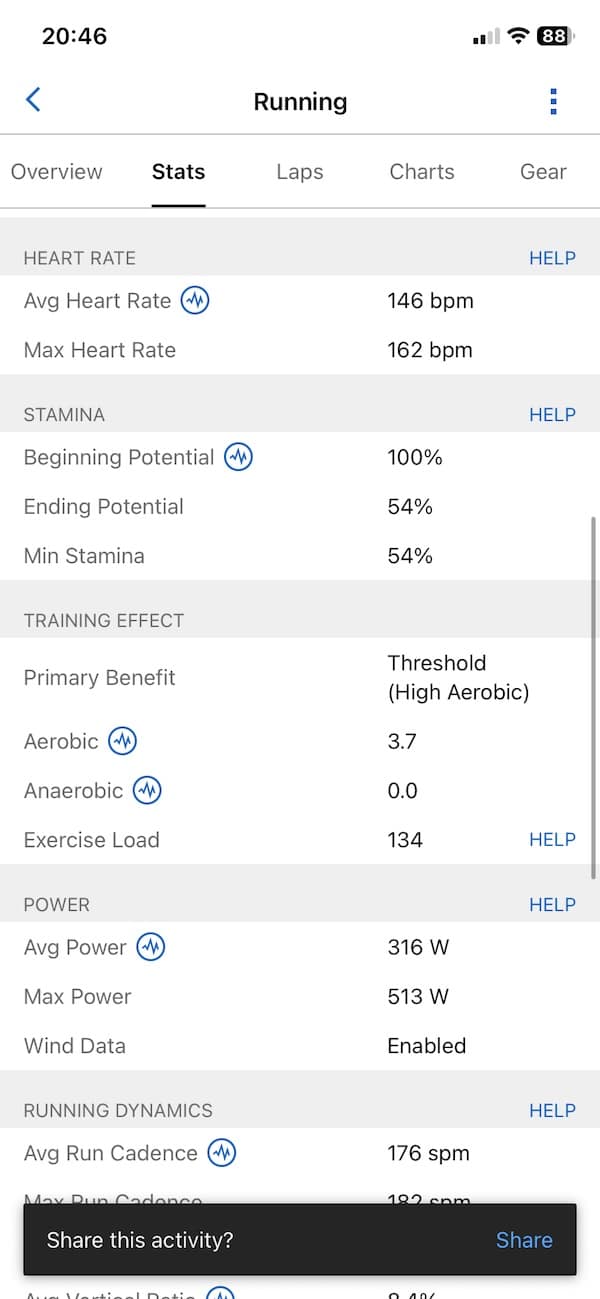
But the Balance 3 is also relatively thin, and that seems to help. It sat better than I expected and the numbers were very close to Garmin. The Forerunner recorded an average heart rate of 146 bpm and a max of 162 bpm. The Amazfit recorded 144 bpm average and the same 162 bpm max.

That is a strong showing. It does not prove the Balance 3 will match Garmin in every workout, especially during intervals, cold weather runs or anything with lots of wrist movement. But for this steady outdoor effort, the heart rate data was more than good enough.
The cadence numbers also lined up well. Garmin recorded 176 spm average cadence and Amazfit recorded 175 spm. Stride length was identical at 0.94m. Ground contact time was close too, with Garmin at 259ms and Amazfit at 253ms.
Vertical metrics were not quite as tight. Garmin showed 8.0cm vertical oscillation and 8.4% vertical ratio. Amazfit showed 8.6cm and 9.2%. That is not wildly off, but I would treat those numbers as directional rather than directly interchangeable between platforms.
The watch feels different from older Amazfit models
The Balance 3 is a good-looking watch. The display is large, sharp and easy to read outdoors, which helps during a run when you only want a quick glance rather than a stare-down with your wrist. It feels more polished on the wrist than many sporty watches, without looking like a fragile dress watch.
What’s worth noting is that this model has three buttons plus a rotating crown, which makes it feel different from other Amazfit watches. That is partly useful, because physical controls make sense for sport. But there is also a learning curve, and that explains part of my messy start.
Zepp OS 6 also changes the feel of the watch. The design is slightly different from previous versions and the interface takes a little adjustment. It is not difficult, but it is not something I would judge after five minutes either. The hardware is strong, but the interaction model needs a few runs before it becomes second nature.
Garmin still wins on interpretation
The bigger gap was not distance, pace or heart rate. It was interpretation. Garmin rated the workout as threshold, high aerobic, with a 3.7 aerobic training effect, 0.0 anaerobic effect and an exercise load of 134. Amazfit rated the same run much harder, with 5.0 aerobic training effect, 3.1 anaerobic training effect and a training load of 335.
That is a major difference. The heart rate data was close, so this looks like an algorithmic difference rather than a sensor problem. Garmin saw a controlled threshold-type effort. Amazfit treated it as a much heavier session.
Granted, Garmin has a lot more data on my as I have been wearing their watch for years. So I suspect that is part of the reason it judged my effort differently.
Power was also different. Garmin recorded 316W average and 513W max, with wind data enabled. Amazfit showed 300W average and 367W max. Running power is still very platform-specific, so I would not read too much into the absolute numbers. It is better used for trend tracking inside the same ecosystem.
Elevation was another mismatch. Garmin recorded 49m ascent and 26m descent. Amazfit recorded 6m gain and 4m loss. The route was mostly flat around the lake, so the Amazfit figure is more plausible.
Early verdict
This was a better result for the Amazfit Balance 3 than I expected. GPS distance was almost spot on, heart rate held up well, cadence was basically identical and the lap pacing after the first kilometre was very close to Garmin.
The caveat is that Garmin still feels stronger once you move beyond raw tracking. Its training effect, load, power and elevation handling tell a more familiar story for serious training analysis. Amazfit gives you a lot of data, but some of the interpretation still feels more aggressive.
For most runners, the Balance 3 did the core job well here. It tracked the route accurately, kept heart rate close and produced usable running dynamics. For those who rely heavily on training load and performance modelling, Garmin still has the edge. But with each passing year, Zepp Health is reducing that gap.
Looking for the complete picture? Read my full Amazfit Balance 3 review, covering design, battery life, health tracking, sports features and Zepp OS 6.
View Balance 3 on Zepp Health, Amazon.
Don’t miss the latest from Gadgets & Wearables
Subscribe to our monthly newsletter and check out our YouTube channel.
You can also follow Gadgets & Wearables on Google News and add us as a preferred source in Google Search.


Nice post can you please check what happens to the elevation data after using it to Strava? It would be nice to know if Strava’s correct elevation option brings it closer to the Garmin figure or the Zepp figure.